Most homeowners do not think about the duct system until one room will not cool, the house feels dusty, or the air conditioner seems to run without making the home comfortable. Because much of the ductwork is hidden above ceilings or inside walls, it is easy to assume the equipment is the only possible cause.
In South Florida, ducts often travel through hot attic spaces. Heat, humidity, age, poor connections, damaged insulation, and past renovations can all affect how conditioned air moves through a home. Still, an uncomfortable room does not automatically mean every duct needs to be replaced. The problem could be a dirty filter, a closed vent, an equipment issue, a small leak, or a design problem.
This guide explains when Ductwork Replacement may be appropriate, when a smaller repair may be enough, and what homeowners in Loxahatchee and Palm Beach County should look for before making a decision.
Table Of Contents
Quick Answer: When Is Ductwork Replacement Needed?
Ductwork replacement may be worth considering when ducts are extensively damaged, poorly sized, badly deteriorated, repeatedly coming apart, or no longer suitable for the layout of the home. It may also make sense when widespread air leaks, crushed sections, missing insulation, or contamination cannot be corrected reliably with a limited repair.
That does not mean replacement is the first answer for every airflow problem. A technician should look at the whole cooling system before recommending a major duct project. Weak airflow can come from the filter, indoor coil, blower, vents, returns, equipment performance, or the duct system itself. Finding the actual cause helps prevent spending money on the wrong solution.
A useful rule is simple: repair is often reasonable when the problem is limited and the rest of the system is in serviceable condition. Replacement becomes a stronger option when problems are widespread, structural, difficult to access repeatedly, or tied to an unsuitable design.
Why South Florida Ductwork Deserves Attention
South Florida air conditioners work through long cooling seasons, and the ducts may carry cool air through some of the hottest parts of the building. An attic can become much warmer than the rooms below it. If a duct is torn, disconnected, or poorly insulated, conditioned air can be lost before it reaches the living space.
Humidity adds another concern. Openings in a return duct may draw warm, humid, or dusty air from an attic or wall cavity into the system. Openings in a supply duct may release cooled air into an unconditioned area. Either situation can affect comfort, moisture control, and how long the system runs.
Homes also change over time. A converted garage, enclosed patio, room addition, or remodeled interior may place new demands on ductwork that was designed for the original floor plan. Simply adding a vent does not guarantee the system can deliver and return air correctly. The duct layout, equipment capacity, room load, and return path need to work together.
Signs Your Ductwork May Need More Than A Minor Repair
No single symptom proves that replacement is required. A pattern of persistent problems is more meaningful, especially when basic maintenance and small repairs have not corrected them.
Several Rooms Have Weak Or Uneven Airflow
One blocked vent can affect one room. Weak airflow across several rooms may point to a larger restriction, damaged trunk line, disconnected section, return-air problem, or duct design issue. Compare rooms while the system is running. If airflow is consistently weak in one part of the home, tell the technician which vents are affected and when the problem is most noticeable.
For a deeper look at room-to-room comfort issues, see Tri-County HVAC's guide to airflow problems and hot rooms.
Visible Duct Sections Are Crushed, Torn, Sagging, Or Disconnected
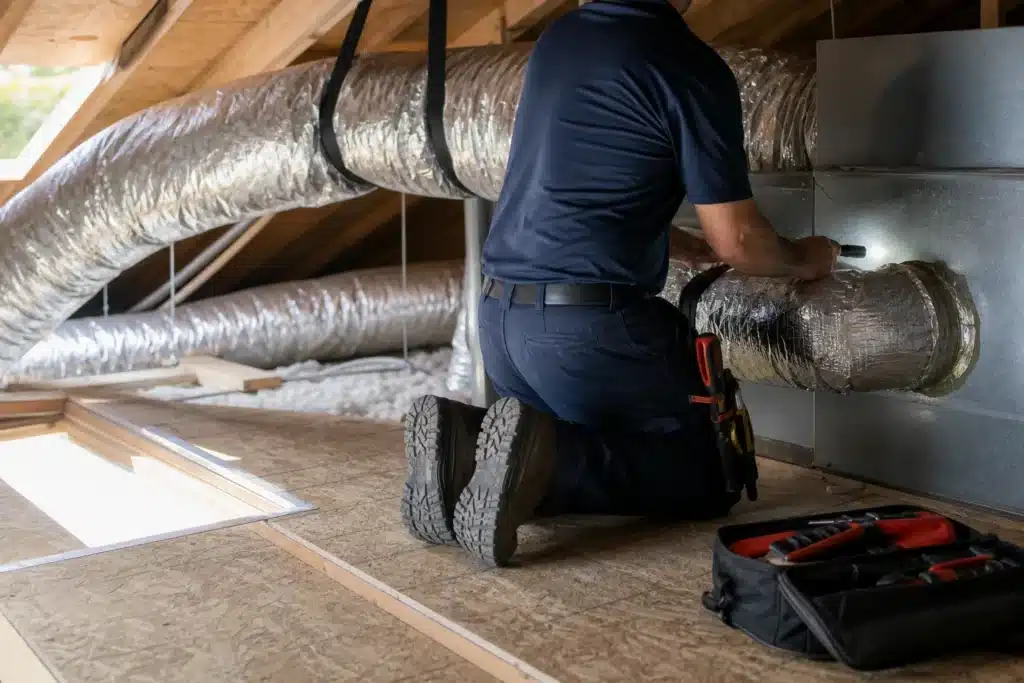
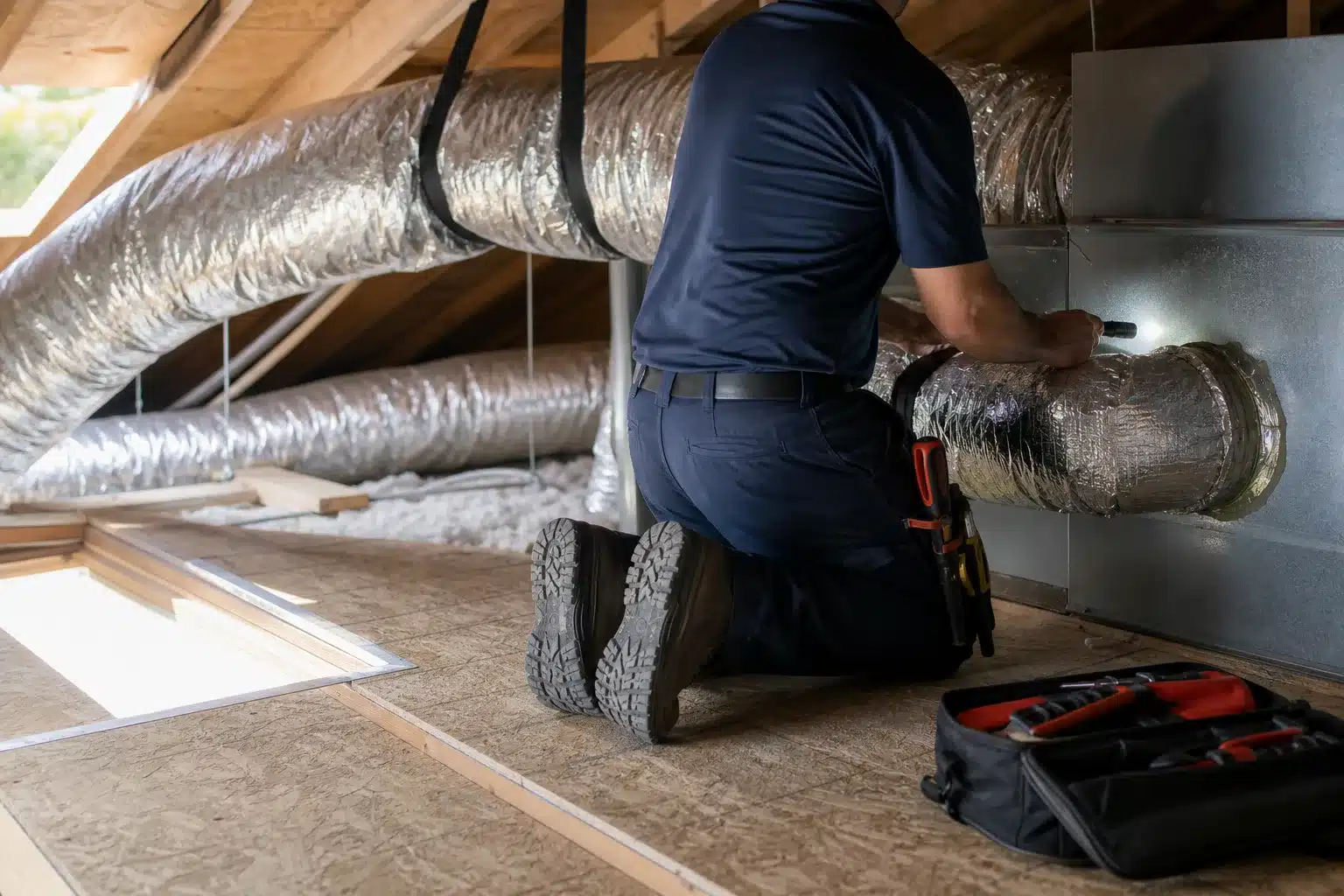
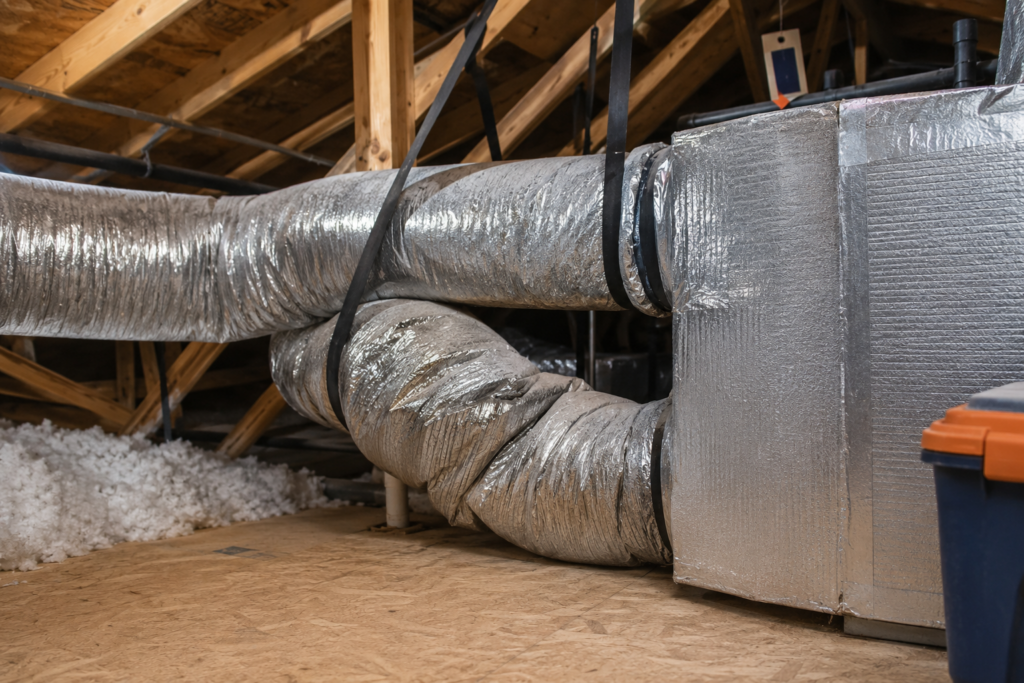
Flexible ducts need proper support and smooth routing. A badly crushed bend can restrict airflow, while torn outer material or loose connections may indicate damage that deserves professional attention. Long, unsupported runs can sag and create resistance. Metal ducts can also develop damaged joints, corrosion, or failed seals.
Do not climb into a hot attic or step between ceiling joists to inspect hidden ducts. Attics can contain electrical hazards, sharp materials, limited footing, and extreme heat. If damage is not visible from a safe access point, leave the inspection to a professional.
Repairs Keep Failing In Different Areas
A single loose connection may be repairable. Repeated leaks, failing insulation, brittle materials, or multiple disconnected sections can signal that the system is deteriorating more broadly. At some point, patching one section at a time may not address the underlying condition.
Dust Or Musty Odors Return Soon After Cleaning
If odors or unusual dust keep returning, a technician can check the HVAC system and visible duct conditions. Tri-County HVAC also offers indoor air quality solutions when filtration, humidity, or air-cleaning concerns need a broader review.
Cooling Problems Continue After Equipment Service
If the AC equipment is operating properly but comfort problems continue, the air-distribution system deserves attention. The system can produce cool air and still fail to deliver enough of it to the right rooms. Leaks, restrictions, poor routing, undersized branches, or inadequate return pathways may all affect distribution.
This is one reason it helps to evaluate the equipment and ducts together. Replacing equipment without addressing a serious duct problem may leave the homeowner with the same hot rooms, noise, or weak airflow.
The Home Layout Has Changed
Renovations can change how heat enters the home and how air needs to move. Walls may be added or removed. Rooms may serve a different purpose. An addition may be connected to an existing system without enough supply or return capacity.
When the layout changes significantly, the right solution may involve modifying or replacing parts of the duct system rather than replacing every section. A professional can compare the current layout with the way air is being delivered and returned.
Duct Noise Has Become A Persistent Problem
Popping, rattling, whistling, or rushing sounds may come from loose components, high air velocity, restrictive filters, closed vents, pressure changes, or duct sizing. Noise by itself does not prove the ducts need replacement, but persistent noise paired with weak airflow or comfort problems deserves an evaluation.
Duct Repair, Sealing, Or Replacement?
The right level of work depends on the condition, location, and extent of the problem. There is no responsible way to make that call from one symptom alone.
When A Local Repair May Be Enough
A repair may be appropriate when damage is limited to an accessible connection, a short section, a support, or a small area of insulation. The rest of the duct system should be in usable condition, and the repair should address the actual source of the problem.
A technician may also find that the ducts are not the main cause. A dirty coil, blower issue, blocked return, thermostat concern, or maintenance need could be reducing airflow. In that case, correcting the equipment or maintenance issue may improve comfort without a duct replacement project.
When Sealing May Help
Sealing can be useful when ducts are structurally sound but have leakage at joints or connections. The type and accessibility of the leaks matter. A few visible gaps are different from widespread deterioration or hidden damage throughout the system.
Homeowners should avoid relying on ordinary cloth-backed tape as a permanent duct repair. Materials and methods need to be appropriate for HVAC use, and the underlying connection still needs to be secure.
When Replacement Becomes More Practical
Replacement may be the more practical path when large portions of the system are damaged, badly routed, improperly sized, poorly insulated, contaminated beyond reasonable correction, or incompatible with the current home layout. It may also be considered when repeated patchwork would leave too many weak points.
The scope does not always have to be all or nothing. Some homes may need a specific branch, return, trunk, or attic section replaced. Others may have widespread issues that call for a larger redesign. Tri-County HVAC's ductwork replacement service is the appropriate place to learn more and request an inspection.
What A Professional Ductwork Evaluation May Include
A ductwork evaluation should connect visible conditions with the symptoms inside the home. Depending on the system and access, a technician may review:
- Visible duct connections, supports, insulation, and damaged sections
- Supply airflow and differences between rooms
- Return-air pathways and blocked or undersized returns
- Signs of leakage around accessible joints and plenums
- Duct routing, sharp bends, crushed sections, and long runs
- The condition of the filter, coil, blower, and related equipment
- Changes to the floor plan or use of the rooms
- Patterns of humidity, dust, noise, and uneven temperatures
The recommendation should explain why repair, sealing, modification, or replacement fits the observed condition. Ask which areas are affected, whether the work is partial or extensive, and what other system issues need attention.
What Homeowners Can Check Safely
Before scheduling service, collect a few useful observations. These checks will not diagnose the duct system, but they can make the service conversation more productive.
- Confirm the filter is the correct size and is not visibly dirty.
- Make sure supply vents and return grilles are open and not blocked by furniture, curtains, boxes, or rugs.
- Note which rooms feel warm, sticky, dusty, or noisy.
- Compare airflow at different vents without removing covers or reaching inside.
- Watch whether the problem changes when interior doors are open or closed.
- Record whether the discomfort is worse in the afternoon, during rain, or after long system run times.
- Look only at duct sections visible from a safe standing area. Do not enter unsafe attic spaces.
If the filter is dirty, replace it with the appropriate type and observe the system. If the problem continues, preventative AC maintenance or a diagnostic visit can help determine whether the issue starts with the equipment, airflow, or ductwork.
What Properly Fitted Ductwork Can Improve
When damaged or unsuitable ducts are corrected, the goal is better air delivery. Homeowners may notice more even temperatures, stronger airflow in problem rooms, less unwanted duct noise, and fewer comfort swings. Properly sealed and insulated ducts can also reduce the amount of conditioned air lost in hot, unconditioned spaces.
Results depend on the full system and the home. New ducts cannot correct every comfort problem if the equipment, insulation, windows, building leakage, or room load also needs attention. Likewise, duct replacement should not be presented as a guaranteed way to lower a specific energy bill or solve every indoor air quality concern.
The most useful recommendation is one that accounts for the equipment, the duct system, and the building together. That gives the homeowner a realistic picture of what the work is expected to address.
When To Schedule A Ductwork Inspection
Schedule an inspection when airflow problems affect several rooms, visible ducts are damaged, comfort issues return after service, or renovations have changed the floor plan. It is also wise to call when you notice persistent duct noise, unexplained dust near vents, damaged insulation, or air escaping into an attic or other unconditioned space.
For homes in Loxahatchee, Palm Beach County, and nearby South Florida communities, Tri-County HVAC can evaluate the system and explain whether repair, modification, sealing, maintenance, or replacement may be appropriate. Call (561) 281-8074 or use the Tri-County HVAC contact page to request service.
Frequently Asked Questions
Does Old Ductwork Always Need To Be Replaced?
No. Age is one factor, but condition and performance matter more. Older ductwork may remain usable when it is intact, properly supported, sealed, insulated, and suitable for the home. An inspection can identify whether the issue is limited or widespread.
Can Ductwork Replacement Fix Hot Rooms?
It can help when hot rooms are caused by damaged, leaking, restricted, or poorly designed ducts. Hot rooms can also result from sun exposure, insulation, windows, equipment performance, or system sizing. The cause should be confirmed before replacement is recommended.
Can Only Part Of A Duct System Be Replaced?
Sometimes. If damage or poor design is limited to one branch, return, trunk, or section, a partial project may be possible. Widespread deterioration or an unsuitable layout may require a broader scope. Access and system design affect the recommendation.
Should Ductwork Be Checked Before A New AC Installation?
Yes, especially when the home already has weak airflow, hot rooms, high duct noise, or damaged sections. New equipment still depends on the duct system to move air. Reviewing both can help avoid carrying an old distribution problem into a new installation.
How Do I Know Whether I Need Duct Repair Or Replacement?
The difference depends on the extent and cause of the damage. Limited issues may be repairable. Widespread leaks, crushed sections, failed insulation, repeated disconnections, or poor design may make replacement more practical. A professional evaluation is the safest way to compare the options.
Comfort problems should lead to a careful diagnosis, not an automatic conclusion. If you are considering Ductwork Replacement in South Florida, Tri-County HVAC can inspect the system, explain what appears to be causing the problem, and help you understand the available next steps. Call (561) 281-8074 or contact the team online.