If your house feels humid even while the AC is running, you are not imagining it. In South Florida, cooling is only part of the comfort equation. Humidity, airflow, duct condition, coil cleanliness, thermostat settings, and system sizing can all affect how your home feels.
A home can reach the thermostat setting and still feel humid. Another home may stay warm in certain rooms even while the AC runs for long stretches. Sometimes the issue is simple, such as a dirty filter or blocked return. Other times, it may involve duct leaks, drainage concerns, a coil problem, or equipment that is not removing moisture as well as it should.
This guide explains why a house can feel humid with the AC running, what you can check safely, and when to schedule a professional HVAC evaluation for your South Florida home.
Table Of Contents
Quick Answer: Why Your House Feels Humid With The AC Running
Your house may feel humid with the AC running because the system is cooling the air without removing enough moisture, airflow is restricted, ducts are leaking, the system is short cycling, the thermostat settings are off, or humid outdoor air is entering the home. In some cases, the AC may need cleaning, maintenance, repair, ductwork evaluation, or indoor air quality support.
The exact cause depends on the whole system. A technician may need to check airflow, coil condition, refrigerant levels, drain performance, ductwork, thermostat behavior, and how the equipment is operating under South Florida conditions.
If the home feels damp, rooms cool unevenly, the AC runs constantly, or you notice weak airflow, it is worth scheduling a professional inspection before the problem becomes a bigger comfort issue.
Humidity And Temperature Are Not The Same Thing
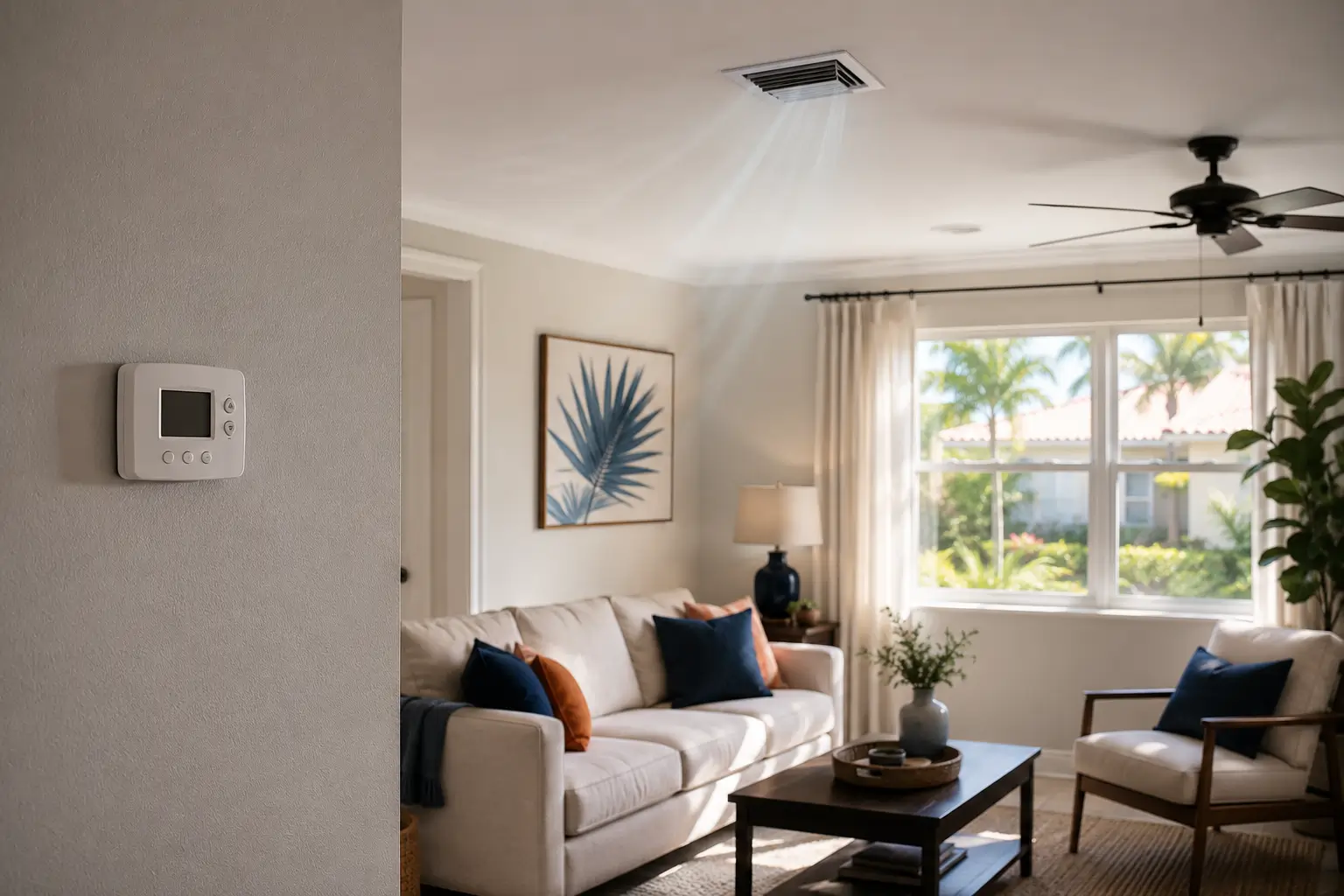
Many homeowners look at the thermostat first. That makes sense, but the thermostat temperature does not tell the full story. A room can be 74 degrees and still feel uncomfortable if the indoor humidity is high.
Air conditioners help remove moisture as warm indoor air passes over the evaporator coil. As the air cools, moisture can condense and drain away from the system. When that process works well, the home feels cooler, drier, and more comfortable.
When the process is disrupted, the AC may still blow cool air, but the house can feel sticky. You may notice damp bedding, musty smells, condensation, rooms that never feel quite right, or a thermostat setting that keeps getting lowered because the air feels heavy.
That is why indoor comfort in Palm Beach County is not only about lowering the temperature. It is about moving enough air, running the system properly, removing moisture, and keeping the HVAC system clean enough to do its job.
Common Reasons Your Home Still Feels Sticky
There is no single cause behind every humid home. The most practical way to think about the problem is to look at airflow, run time, moisture removal, duct condition, and indoor air movement.
Restricted Airflow
Weak airflow can make a home feel uneven, stuffy, and humid. A dirty filter, blocked return, closed vent, dirty blower wheel, dirty coil, or duct restriction can reduce the amount of air moving through the system.
When airflow drops, the AC may struggle to cool evenly. Some rooms may feel fine while others feel warm or damp. The system may also run longer than normal, which can put extra strain on equipment. If you have not changed the filter recently or you notice weak air from the vents, airflow should be one of the first things checked.
Dirty Coils Or Blower Components
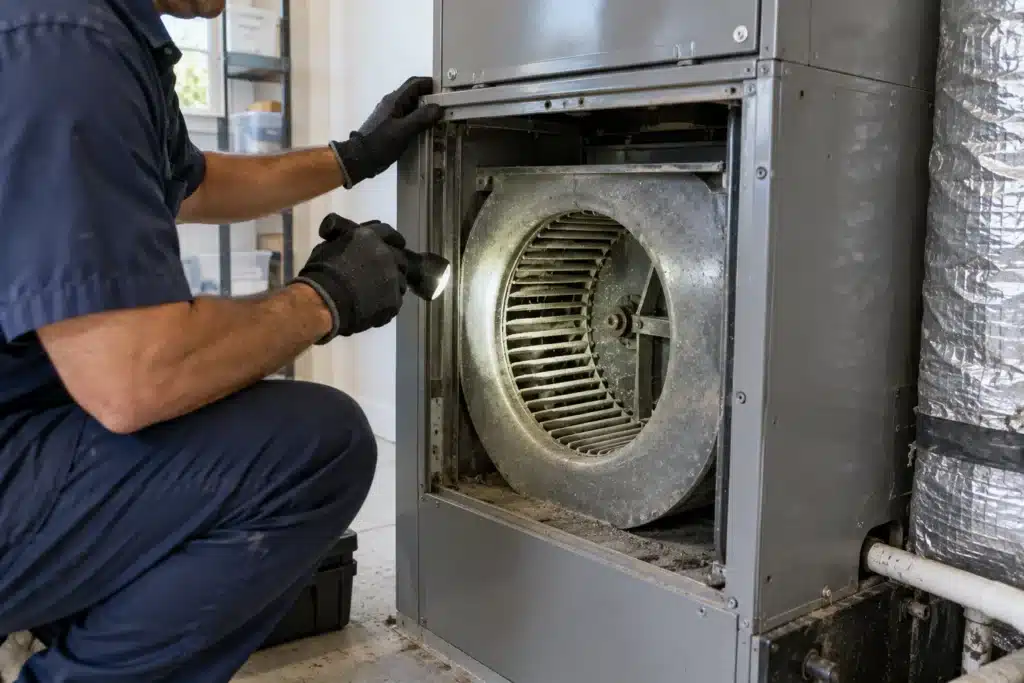
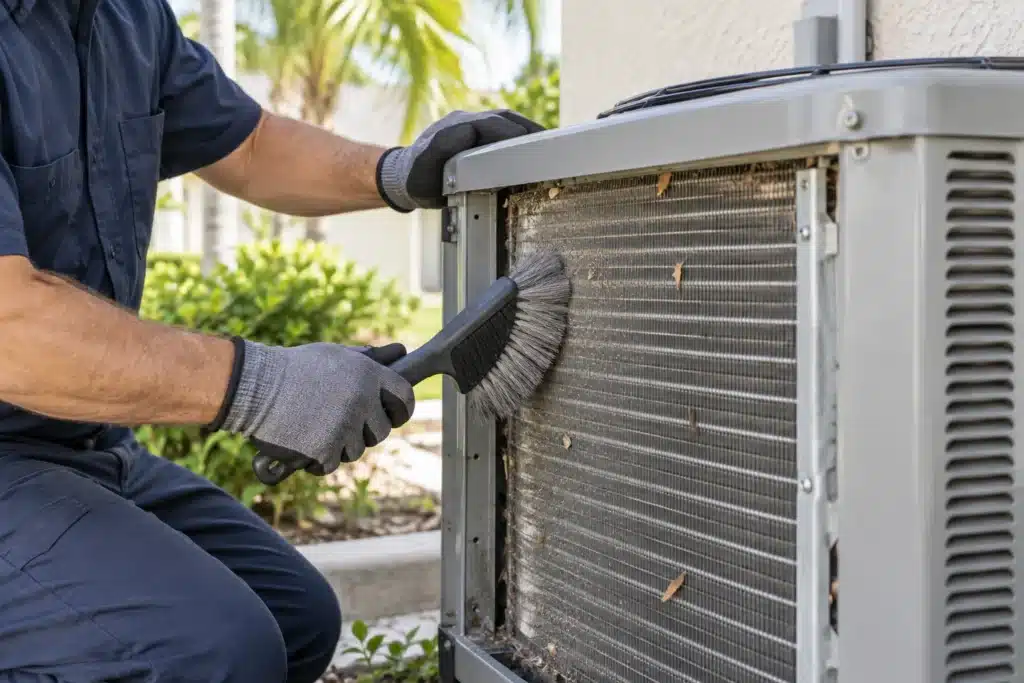
Coils and blower components need to stay clean enough for the system to move air and transfer heat properly. In a humid climate, buildup can affect performance over time. A dirty evaporator coil may reduce cooling efficiency and make it harder for the system to remove moisture. A dirty blower wheel can reduce airflow even when the motor is running.
These are not always easy for a homeowner to inspect safely. If the system has not had recent preventative AC maintenance, a professional cleaning and inspection may help identify whether buildup is affecting comfort.
Short Cycling
Short cycling means the AC turns on and off too quickly. The system may cool the air near the thermostat before it has enough run time to remove moisture from the whole home. This can leave the house feeling cool but damp.
Short cycling can happen for several reasons, including thermostat placement, electrical issues, airflow problems, refrigerant concerns, or equipment sizing. Because the causes vary, it is best to have a technician diagnose the system instead of guessing.
Leaky Or Poorly Designed Ductwork
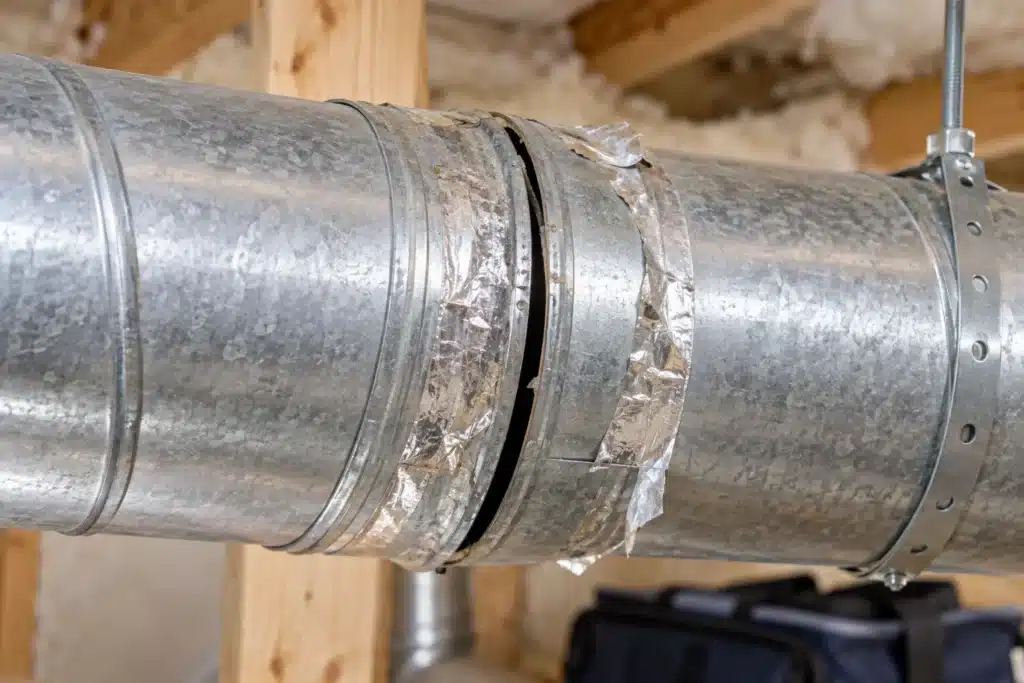
Ductwork matters more than many homeowners realize. If ducts leak into an attic, garage, crawl space, or wall cavity, the system may lose conditioned air before it reaches the rooms. In some cases, duct issues can also pull hot, humid air into the system or create uneven comfort throughout the home.
Common signs include rooms that are always warmer, weak airflow from certain vents, dustier rooms, high humidity, or an AC that seems to work hard without making the home feel right. If airflow problems keep coming back, a ductwork evaluation may be part of the solution.
Oversized Equipment
An AC system that is too large for the home can cool the air quickly, then shut off before removing enough humidity. Bigger is not always better in South Florida. Proper sizing affects comfort, run time, moisture removal, and long-term performance.
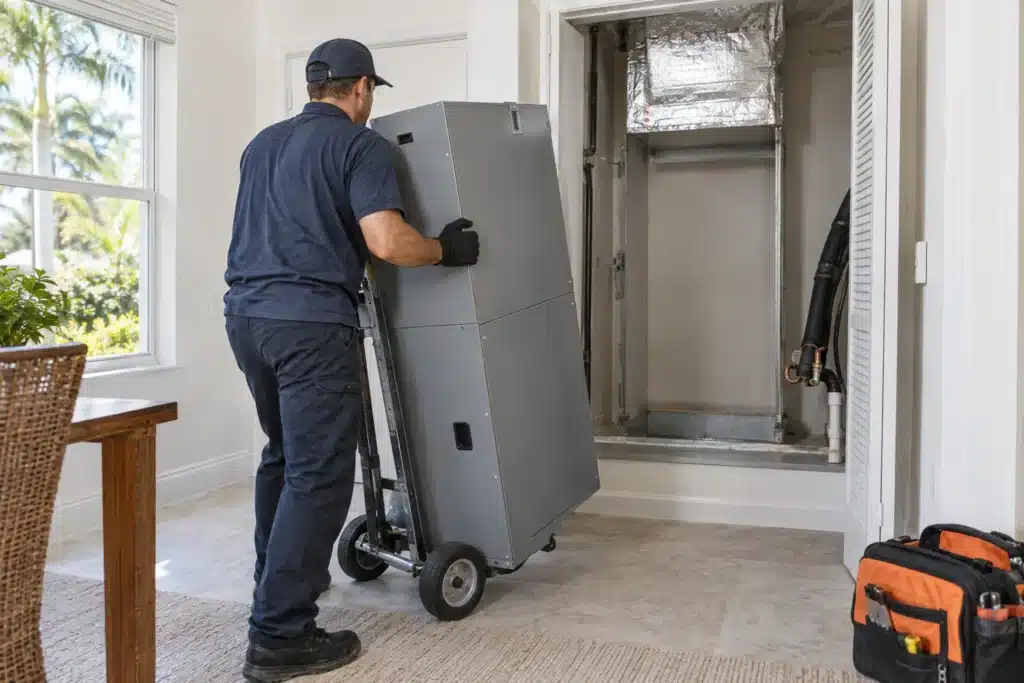
If a home has always felt humid even with a newer system, sizing may be worth discussing during a professional evaluation. The right answer depends on the home, insulation, ductwork, windows, layout, and cooling load. A technician can help determine whether sizing or another system issue is contributing to the problem.
Indoor Air Quality Concerns
Humidity and indoor air quality often show up together. High humidity can make a home feel heavier and may contribute to musty odors or comfort complaints. Filtration, UV lights, duct condition, coil cleanliness, and ventilation can all play a role in how the indoor air feels.
Tri-County HVAC offers indoor air quality solutions for homeowners who want help looking beyond temperature alone. The goal is not to guess at a product. The goal is to understand what is happening in the home and recommend the right next step.
Why South Florida Homes Deal With This More Often
South Florida homes deal with long cooling seasons, high outdoor humidity, heavy afternoon heat, and frequent moisture in the air. In Loxahatchee, Palm Beach County, and nearby communities, AC systems work hard for much of the year.
That constant demand means small issues can show up faster. A filter that is overdue, a drain line concern, a dirty coil, or a weak blower may affect comfort more noticeably during hot and humid weather. Homes can also pick up humidity from doors opening often, leaky ducts, attic heat, poor insulation, or ventilation issues.
Every home is different. A newer home may struggle because of system sizing or airflow balance. An older home may have duct leaks, insulation gaps, or equipment that is losing performance. A home near coastal air may face different wear concerns than a home farther inland. The common thread is simple: Florida humidity gives the HVAC system less room for error.
What You Can Check Before Calling For Service
There are a few safe checks homeowners can make before scheduling service. These steps will not solve every problem, but they can help you notice patterns and give the technician better information.
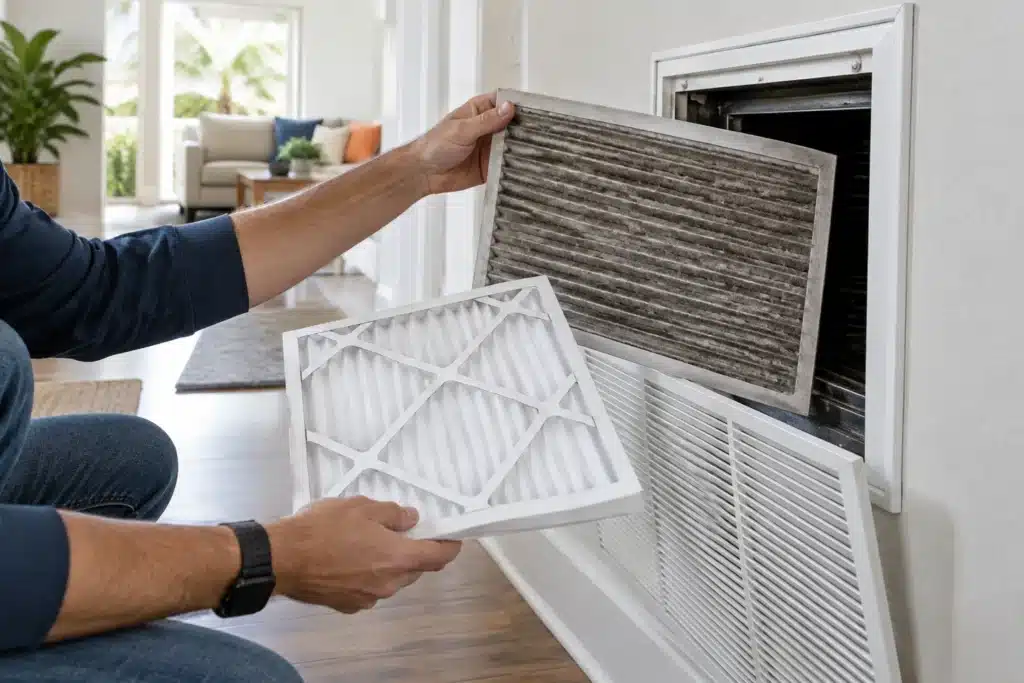
Check The Air Filter
A clogged filter can restrict airflow and make the system work harder. If the filter is dirty, replace it with the correct size and type for your system. Avoid forcing a filter that does not fit. If airflow still feels weak after a filter change, there may be another issue.
Look For Blocked Vents And Returns
Furniture, rugs, curtains, boxes, and other items can block air movement. Make sure supply vents and return grilles are open and clear. If one room always feels humid or warm, compare airflow in that room with other parts of the home.
Watch The Run Time
Pay attention to whether the AC runs for very short bursts or seems to run constantly without improving comfort. Both patterns can point to different problems. Short run times may affect humidity removal. Constant run time may suggest heat gain, airflow issues, dirty components, refrigerant concerns, or equipment that is struggling.
Notice Odors, Water, Or Ice
Musty smells, water around the indoor unit, ice on refrigerant lines, or repeated drain issues should not be ignored. These signs can point to moisture, drainage, airflow, or mechanical concerns that need professional attention.
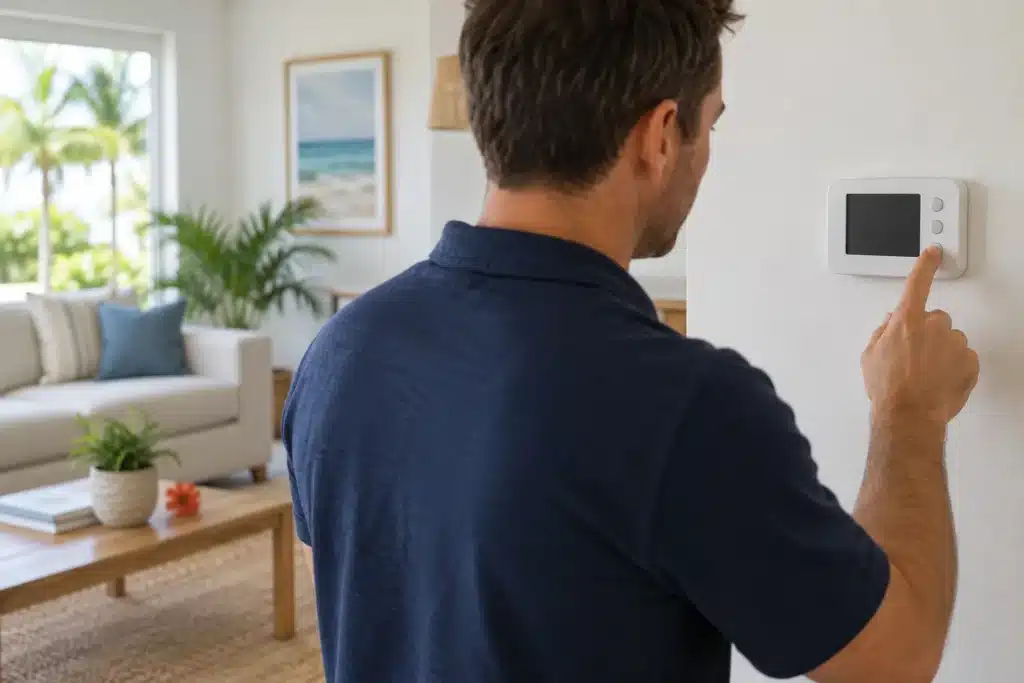
Do Not Keep Lowering The Thermostat
Lowering the thermostat may make the system run longer, but it does not fix the cause of high humidity. It can also increase strain on the equipment. If you keep lowering the temperature because the home feels sticky, the better next step is to find out why the system is not delivering normal comfort.
When To Schedule Professional HVAC Service
Schedule service if the home feels humid for more than a short period, especially if the issue is paired with weak airflow, uneven rooms, water near the unit, musty smells, short cycling, ice, unusual sounds, or a system that cannot keep up.
A professional inspection can help separate simple maintenance needs from repair concerns. The technician can check airflow, coil condition, drain performance, blower operation, refrigerant-related symptoms, duct condition, thermostat behavior, and whether the system is operating appropriately for the home.
Tri-County HVAC provides AC repair, maintenance, ductwork, and indoor air quality support for South Florida homes and businesses. If your AC is running but the home still feels damp, sticky, or uncomfortable, schedule service before the issue gets worse.
Need Help With A Humid Home In South Florida?
If your house feels humid even with the AC running, Tri-County HVAC can help you look at the full system instead of guessing. Call (561) 281-8074 or visit the contact page to schedule service for your Loxahatchee or Palm Beach County home.
FAQs About Indoor Humidity And AC Comfort
Why does my house feel humid even when the thermostat says it is cool?
The thermostat measures temperature, but comfort also depends on humidity and airflow. Your AC may be lowering the temperature without removing enough moisture, or certain rooms may have airflow or ductwork issues.
Can a dirty air filter make my home feel humid?
Yes, a dirty filter can restrict airflow. Poor airflow may affect cooling performance and moisture removal. If the filter is dirty, replace it. If the home still feels humid, schedule a professional inspection.
Does high humidity mean I need a new AC system?
Not always. High humidity can come from maintenance issues, airflow restrictions, duct leaks, thermostat behavior, drainage concerns, or system sizing. A technician should inspect the system before you assume replacement is needed.
Can ductwork problems cause indoor humidity?
Duct issues can contribute to uneven rooms, weak airflow, and comfort problems. Leaky or poorly connected ducts may reduce the amount of conditioned air reaching the home and can make the system work harder.
Who can help with humidity and indoor comfort in Palm Beach County?
Tri-County HVAC serves Loxahatchee, Palm Beach County, and surrounding South Florida communities with AC repair, preventative maintenance, ductwork, and indoor air quality support. Call (561) 281-8074 or request service through the website.