An air conditioner normally turns on, runs long enough to cool the home, and then shuts off until the thermostat calls for cooling again. If your system starts and stops repeatedly without completing a normal cooling cycle, it may be short cycling.
AC Short Cycling can be especially frustrating in South Florida. The system may sound busy, but the home can still feel warm, uneven, or humid. Frequent starts and stops can point to something simple, such as a thermostat setting or dirty filter, or to a repair concern involving airflow, drainage, electrical controls, the refrigeration system, or equipment sizing.
This guide explains what short cycling looks like, common reasons it happens, what homeowners can check safely, and when to call Tri-County HVAC for help in Loxahatchee, Palm Beach County, and nearby South Florida communities.
Table Of Contents
Quick Answer: Why Does An AC Keep Turning On And Off?
An AC may turn on and off too often because of a thermostat issue, restricted airflow, a dirty filter, a frozen coil, a clogged drain that activates a safety switch, an electrical or control problem, a refrigerant-related concern, or equipment that is too large for the home. The exact cause cannot be confirmed by the cycling pattern alone.
Start with safe checks: look at the thermostat settings, inspect the filter, confirm that vents and returns are open, and note how long the system runs before shutting down. If the pattern continues, the home does not cool normally, or you notice ice, water, electrical odors, unusual sounds, or a tripped breaker, schedule professional service.
What Counts As AC Short Cycling?
Short cycling means the cooling system starts, stops sooner than expected, and starts again repeatedly. There is no single cycle length that applies to every home. Outdoor temperature, thermostat settings, insulation, equipment type, system capacity, and indoor heat gain all affect run time. Variable-speed systems may also operate differently from traditional single-stage equipment.
Instead of timing one cycle and assuming something is wrong, look for a repeated change from normal behavior. Does the system shut off after only a brief run? Does it restart again and again while the thermostat remains above the set temperature? Is the indoor fan cycling, the outdoor unit cycling, or both? Does the thermostat screen go blank when the system stops?
Why Short Cycling Matters In South Florida
South Florida cooling systems work through long, hot, humid seasons. A normal cooling cycle gives the system time to lower indoor temperature and remove moisture as air moves across the evaporator coil. When cycles end too quickly, the home may cool unevenly and remain sticky even if the thermostat reading begins to fall.
Frequent starting also places repeated demand on electrical and mechanical components. That does not mean one unusual cycle has caused damage. It does mean a persistent pattern should not be ignored, especially if comfort is getting worse or the system is struggling to reach the thermostat setting.
Short cycling is discussed in Tri-County HVAC's guide to why a house can feel humid with the AC running. The connection is run time: a system that stops too quickly may not operate long enough to manage moisture evenly throughout the home.
Common Causes Of AC Short Cycling
Several different problems can create a similar on-and-off pattern. Some begin outside the equipment, while others require electrical, airflow, drainage, or refrigeration testing.
Thermostat Settings, Location, Or Power
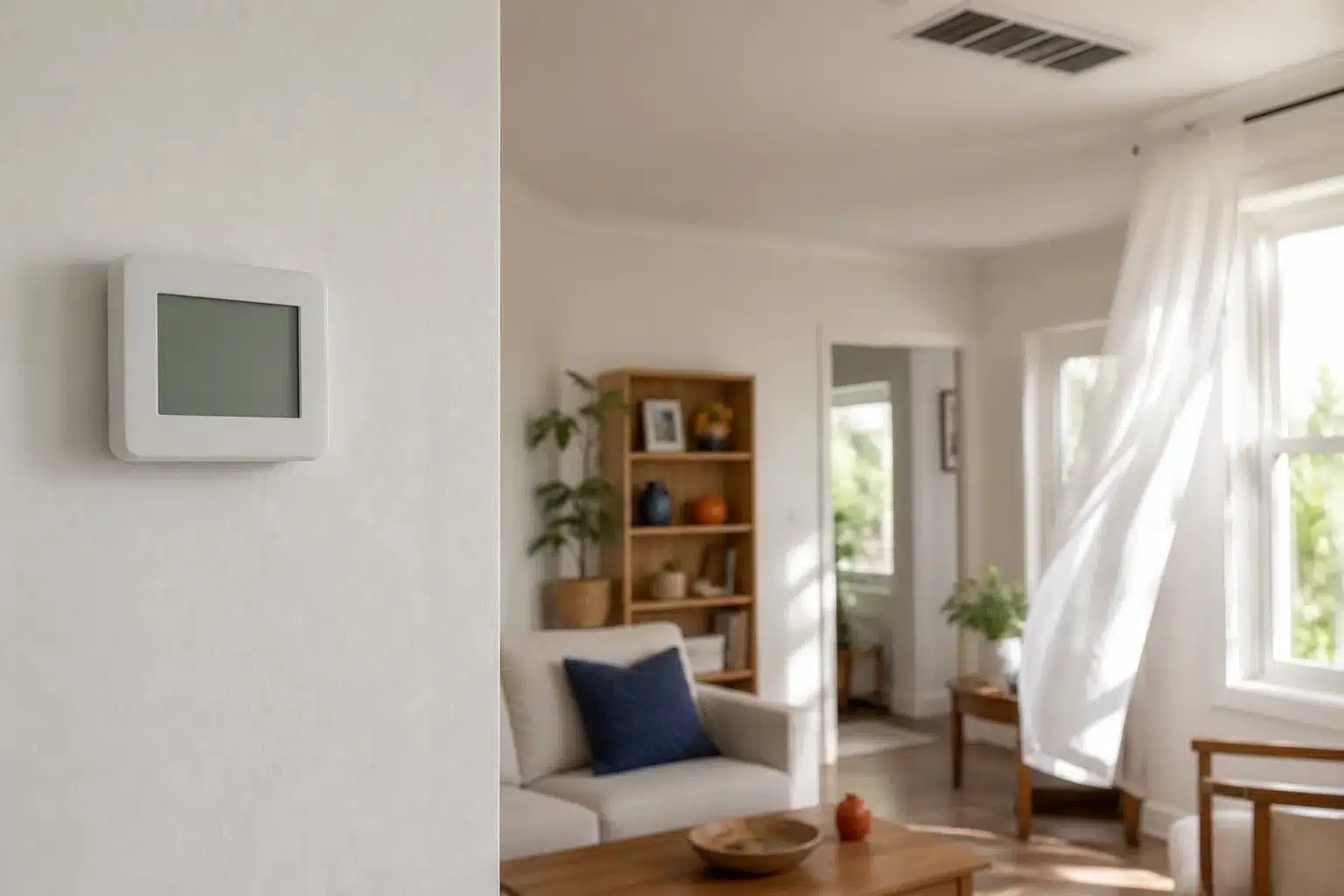
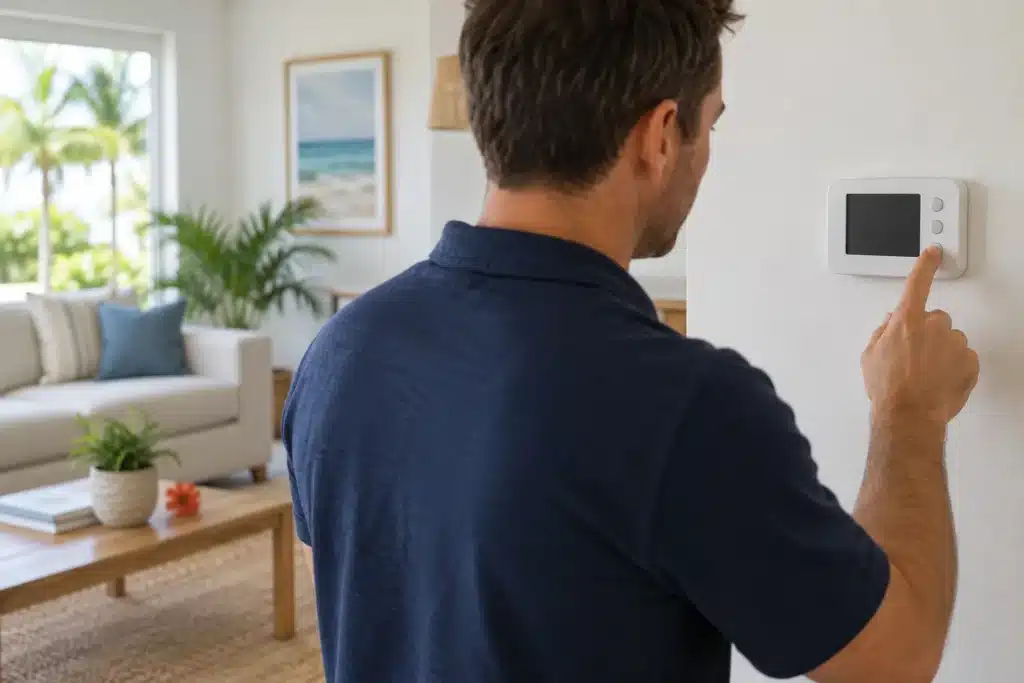
Start with the control that tells the system when to cool. An incorrect mode, an aggressive schedule, weak batteries, loose wiring, or a thermostat placed near a supply vent, sunny window, exterior door, lamp, or heat-producing appliance can affect how it reads the room.
A thermostat near a cold draft may satisfy quickly even though the rest of the home is still warm. A thermostat losing power can cause the system to stop unexpectedly. Homeowners can check settings and replace user-serviceable batteries, but wiring and control problems should be handled by a technician.
Dirty Filter Or Restricted Airflow
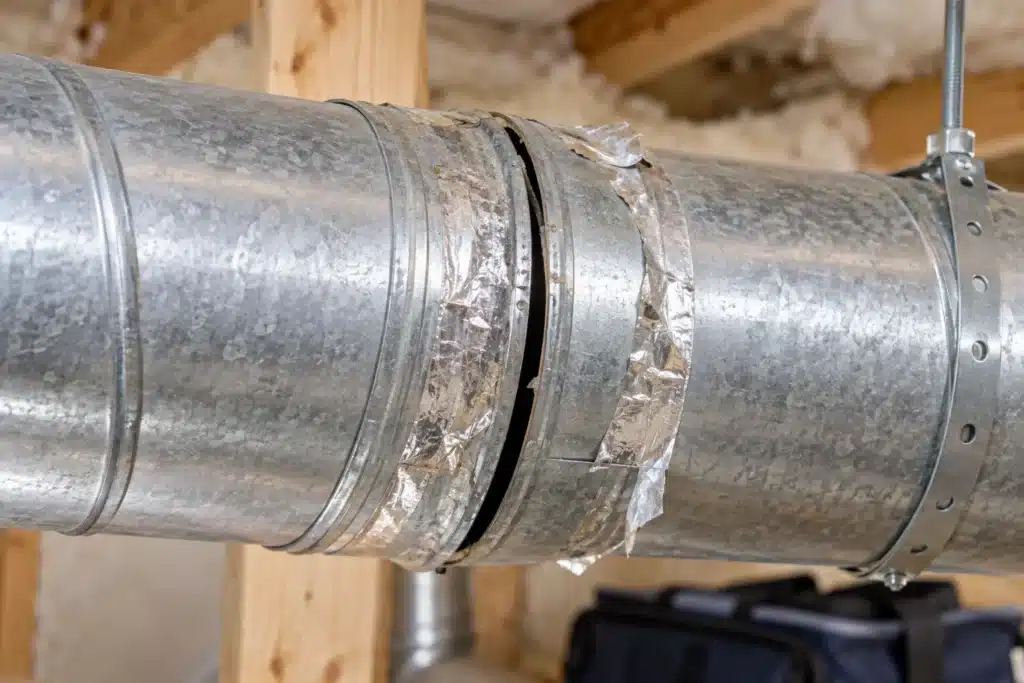
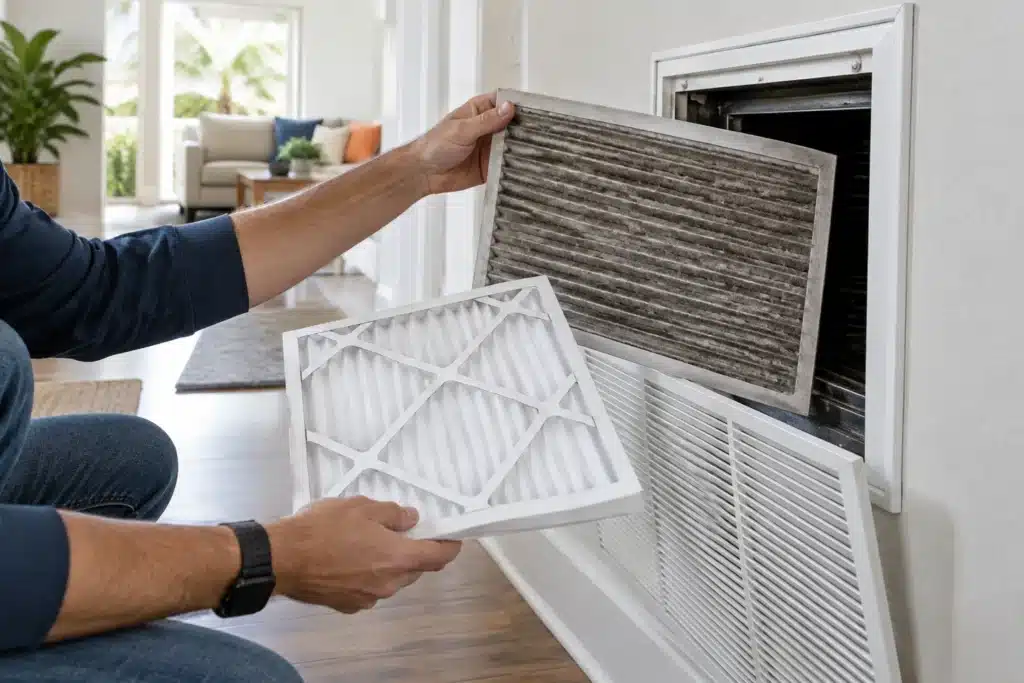
A heavily loaded filter can reduce airflow through the system. Blocked return grilles, closed supply vents, dirty coils, blower concerns, or duct restrictions can also limit air movement. When airflow is too low, the coil may become excessively cold and the system may stop or behave abnormally.
Check the filter first because it is accessible and easy to overlook. Use the correct size and a filter type appropriate for the equipment. If a clean filter does not restore normal operation, do not assume the ducts or blower are fine. Airflow needs to be evaluated as a complete path from the returns through the equipment and back to the rooms.
Frozen Evaporator Coil
Ice on the indoor coil or refrigerant line is a symptom, not a complete diagnosis. Restricted airflow and refrigerant-related concerns are two possible causes. Continuing to run a frozen system can make cooling worse and may lead to water around the indoor unit as the ice melts.
If you can see ice without removing panels, turn the cooling system off and call for service. Do not chip at the ice, pour hot water on components, or open sealed equipment. The technician needs to identify why the coil froze before normal operation can be restored reliably.
Condensate Drain Or Safety Switch Activity
Air conditioners remove moisture, and that water must drain away properly. If a drain backs up, a float switch may shut the system down to reduce the risk of overflow. If the water level changes, the system may appear to start and stop unpredictably.
Water near the indoor unit, a full drain pan, or a recurring drain problem deserves attention. Tri-County HVAC's article about AC drain line clogs in South Florida explains common warning signs and why repeated clogs need more than guesswork.
Electrical Or Control Problems
Capacitors, contactors, relays, control boards, wiring, safety devices, and motors all play roles in starting and operating the system. A weak component or loose electrical connection can interrupt operation. These issues are not safe do-it-yourself repairs.
If a breaker trips, reset it only if the equipment instructions and your circumstances allow a safe single reset. If it trips again, leave it off and call a professional. Repeated breaker resets can create additional risk and do not correct the electrical fault.
Refrigerant-Related Concerns
The refrigeration circuit depends on correct operating conditions. A leak, improper charge, restriction, or another system problem may affect pressure, cooling performance, and cycling. Refrigerant does not get used up like fuel, so simply adding more without finding the cause is not a complete solution.
Testing this part of the system requires proper tools and training. If the AC is short cycling, blowing warm air, freezing, or failing to keep up, schedule professional AC repair rather than trying to diagnose refrigerant pressure yourself.
Oversized Cooling Equipment
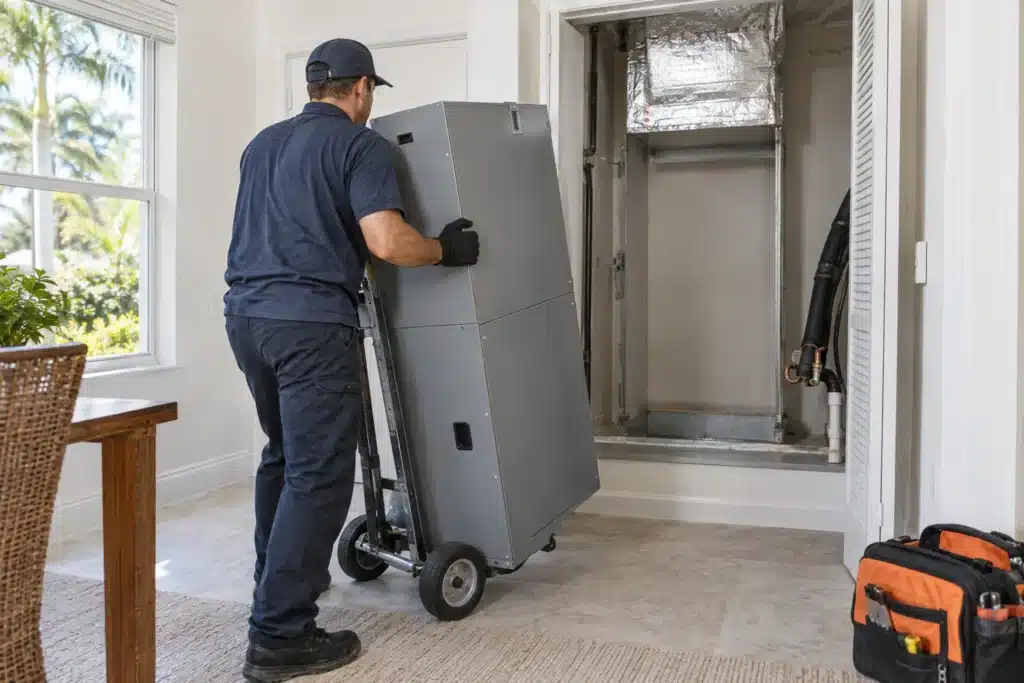
An oversized air conditioner can lower the temperature near the thermostat quickly, shut off, and restart when the home warms again. That may produce uneven temperatures and poor moisture control. Bigger equipment is not automatically better in a humid climate.
Sizing depends on the home, including its square footage, windows, insulation, orientation, ductwork, air leakage, layout, and other heat-gain factors. The article about proper AC installation sizing explains why equipment should be matched to the building instead of selected by a simple bigger-is-better rule.
Dirty Or Obstructed Outdoor Unit
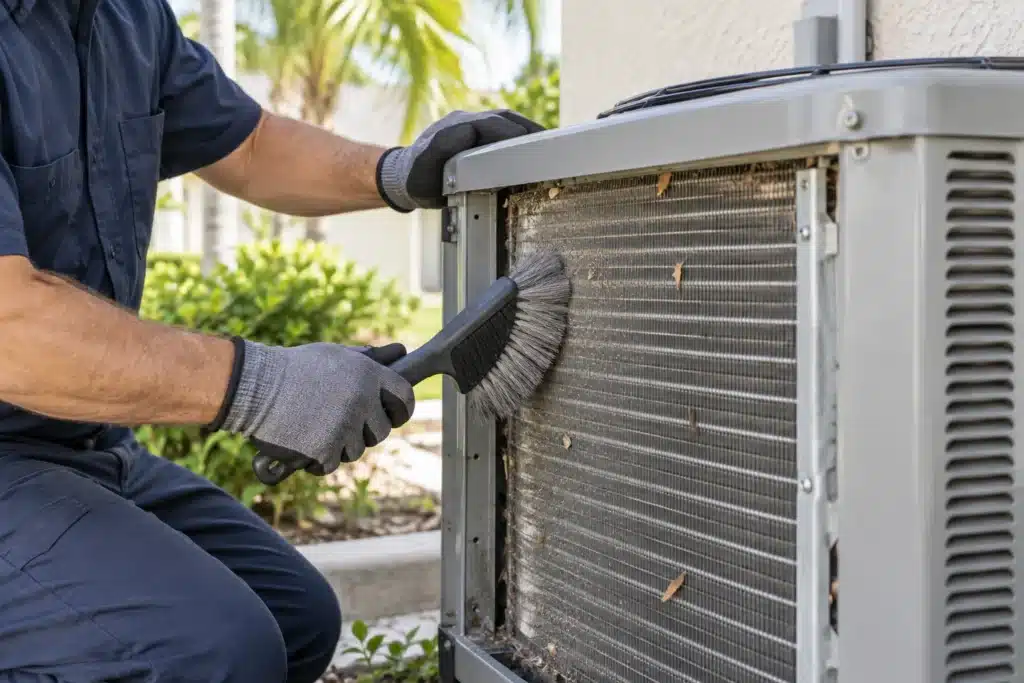
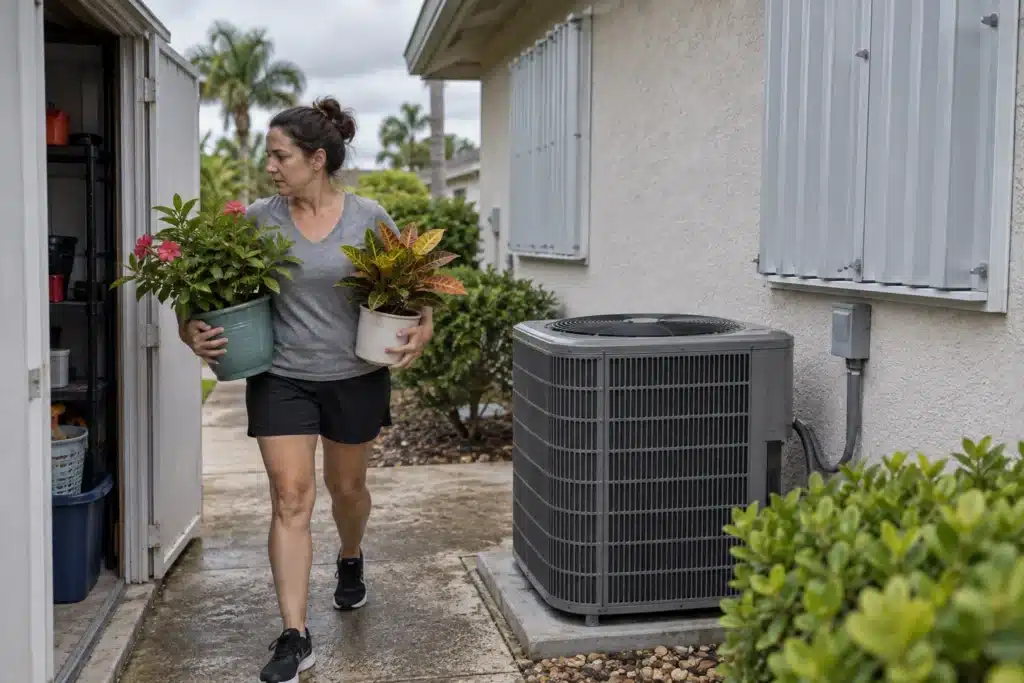
The outdoor unit needs room to move air and release heat. Leaves, yard debris, storage, vegetation, or heavy buildup around the cabinet can interfere with airflow. Equipment problems inside the cabinet can also cause the system to shut down.
Homeowners can look for obvious external blockage from a safe distance. Do not remove panels, reach into the unit, spray electrical areas, or work around moving fan blades. Internal cleaning and testing belong to a trained technician.
What Homeowners Can Check Safely
A few observations can help rule out simple issues and give the technician a clearer starting point.
- Confirm the thermostat is set to cooling and the temperature setting makes sense.
- Check for an unexpected schedule, hold setting, or weak thermostat batteries.
- Inspect the air filter and replace it if dirty, using the correct size and suitable type.
- Make sure supply vents and return grilles are open and not blocked.
- Look for visible ice, water, or an overflowing drain pan without removing equipment panels.
- Check the outdoor cabinet for leaves, storage, or vegetation blocking the exterior.
- Write down which part stops, how often it happens, and whether the thermostat display changes.
- Note any sounds, odors, breaker trips, humidity, or rooms that remain warm.
After correcting a simple setting or replacing a dirty filter, observe the next few cycles. If frequent cycling continues, stop experimenting. Avoid bypassing safety switches, opening electrical panels, adding refrigerant, or repeatedly changing settings in hopes that the system will correct itself.
When To Turn The System Off And Call
Turn the system off and request service if you smell burning, see smoke or sparking, hear severe grinding or buzzing, find water near electrical components, see ice, or have a breaker that trips again after a safe reset. These signs can involve electrical, motor, airflow, drainage, or refrigeration problems.
You should also schedule service when the short cycling repeats, the home cannot reach the thermostat setting, humidity is rising, or cooling performance has changed noticeably. The situation may not be an emergency, but continued operation can make diagnosis harder and comfort worse.
If you are unsure whether the condition needs immediate attention, call Tri-County HVAC and describe exactly what the system is doing. Avoid presenting a guessed diagnosis. The cycling pattern, thermostat behavior, sounds, odors, water, ice, and breaker history are more useful.
What A Professional Evaluation May Include
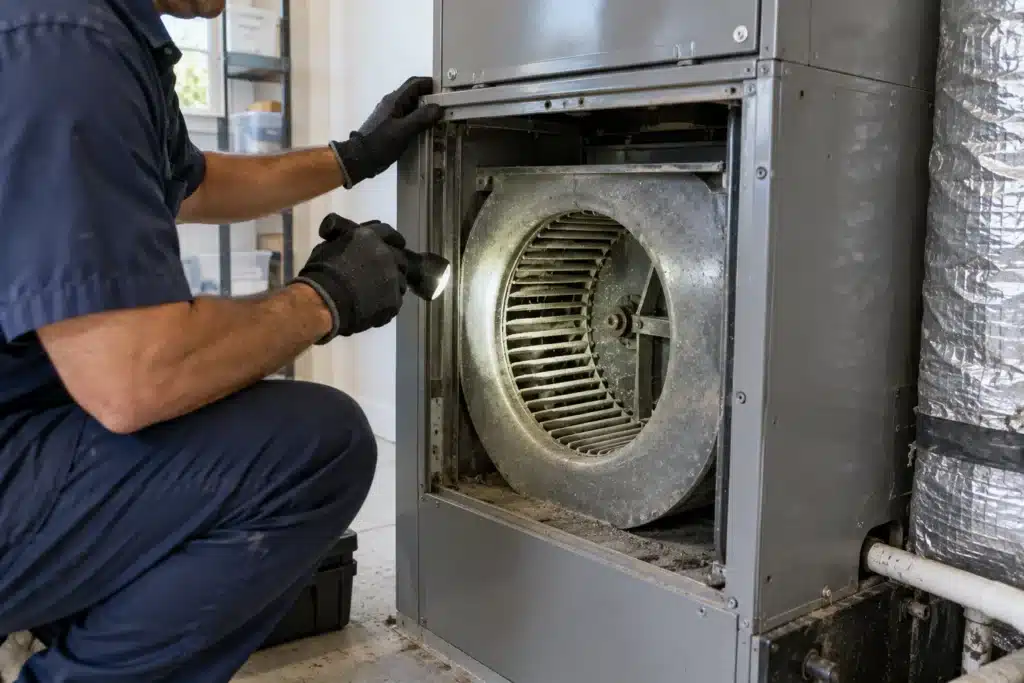
A technician may begin by confirming the complaint and observing how the system starts, runs, and stops. Depending on the symptoms and equipment, the evaluation may include:
- Thermostat settings, placement, wiring, and control signals
- Filter condition, return airflow, supply airflow, and visible duct restrictions
- Indoor coil condition and signs of freezing
- Condensate drainage and safety-switch operation
- Electrical connections, motors, capacitors, contactors, and control components
- Outdoor coil condition and condenser airflow
- Refrigeration-system operating conditions
- Equipment capacity and whether sizing may be affecting cycle length
The inspection should connect test results to the symptoms rather than replacing parts based on a guess. A thermostat issue calls for a different solution than low airflow, a drain interruption, an electrical fault, or oversized equipment. Ask what caused the cycling, what correction is recommended, and whether another condition contributed to the problem.
Can Short Cycling Be Prevented?
Not every failure is preventable, but routine care can reduce avoidable airflow and maintenance problems. Replace filters as appropriate for your home and equipment, keep vents and returns clear, avoid crowding the outdoor unit, and pay attention when the system's normal sound or run pattern changes.
Professional AC maintenance can identify dirty components, drainage concerns, weak electrical parts, and performance changes before they become more disruptive. Maintenance cannot correct equipment that was improperly sized, and it cannot guarantee that a component will never fail. It can provide a clearer picture of current system condition.
If the cycling began after a thermostat change, renovation, duct modification, or new AC installation, mention that timing during the service call. A recent change may help narrow the investigation.
Frequently Asked Questions
Will A Dirty Filter Cause AC Short Cycling?
It can contribute. A dirty filter may restrict airflow, which can affect coil temperature and system operation. Replace a dirty filter with the correct size and appropriate type. If short cycling continues, schedule an inspection because another airflow or equipment problem may be present.
Can A Thermostat Make My AC Turn On And Off?
Yes. Incorrect settings, weak batteries, control problems, or poor thermostat placement can affect cycling. Check the mode, setpoint, schedule, and batteries. A technician can evaluate wiring, placement, and control signals if the problem continues.
Should I Keep Running An AC That Is Short Cycling?
A single unusual cycle may not mean there is a serious problem. A repeated pattern should be checked. Turn the system off and call promptly if you notice burning odors, smoke, sparking, severe noises, ice, water near electrical components, or repeated breaker trips.
Does Short Cycling Mean I Need A New Air Conditioner?
No. Short cycling can come from settings, maintenance needs, airflow restrictions, drainage, electrical controls, or repairable equipment issues. Replacement may enter the discussion if the system is improperly sized or has broader condition concerns, but diagnosis should come first.
Who Can Diagnose Frequent AC Cycling In Palm Beach County?
Tri-County HVAC provides AC repair and maintenance for homes and businesses in Loxahatchee, Palm Beach County, and nearby South Florida communities. A technician can evaluate the thermostat, airflow, drainage, electrical components, and system performance to identify the likely cause.
Do not let repeated starts and stops become the new normal. If your system is showing signs of AC Short Cycling, call Tri-County HVAC at (561) 281-8074 or use the online contact page to request service. The sooner the pattern is evaluated, the sooner you can understand whether the fix involves a simple control adjustment, maintenance, or a repair.