AC Coil Cleaning is one of those maintenance tasks homeowners hear about but rarely see. The coils are tucked inside the air handler and behind the outdoor unit's protective cabinet. When dirt builds up, the system may have a harder time moving heat, even though the thermostat and fan appear to be working normally.
That does not mean every high electric bill or warm room is caused by dirty coils. Airflow restrictions, refrigerant problems, duct leaks, and other faults can create similar symptoms. The practical question is what you can check safely, what a technician should inspect, and when cleaning is actually needed. In South Florida, where many homes use cooling for much of the year, it is worth understanding the difference.
Table Of Contents
Quick Answer: When Do AC Coils Need Cleaning?
AC coils should be inspected as part of regular maintenance and cleaned when buildup is affecting their condition or performance. The indoor evaporator coil collects heat from household air. The outdoor condenser coil releases that heat outside. Dirt on either coil can interfere with the process, but the right cleaning method depends on the equipment and where the buildup is located.
Homeowners can keep the surrounding area clear and maintain the correct air filter. Cleaning coil fins, opening equipment panels, handling electrical components, or applying chemical cleaners is different work. A technician can determine whether a coil is dirty, whether it needs cleaning, and whether another fault is responsible for the symptoms.
ENERGY STAR's maintenance checklist includes cleaning evaporator and condenser coils during appropriate professional service. It also recommends that homeowners inspect or change filters regularly. That distinction is useful: prevention is a homeowner task; internal coil cleaning should be matched to the system by someone qualified to work on it.
The Indoor And Outdoor Coils Do Different Jobs
The Indoor Evaporator Coil
In a typical central AC system, warm return air passes through the indoor unit. The evaporator coil absorbs heat from that air. Moisture may also condense on the cold coil and drain away through the condensate system. The coil is usually behind a service panel, not exposed like a room vent.
Dust that bypasses the filter can settle on the coil's fine metal surfaces. A damp coil can hold debris more stubbornly than a dry cabinet wall. If buildup becomes significant, air may not pass through as freely and heat transfer can suffer. The result can look like a broader cooling problem, so a visual inspection matters more than a guess based on room temperature alone.
The Outdoor Condenser Coil
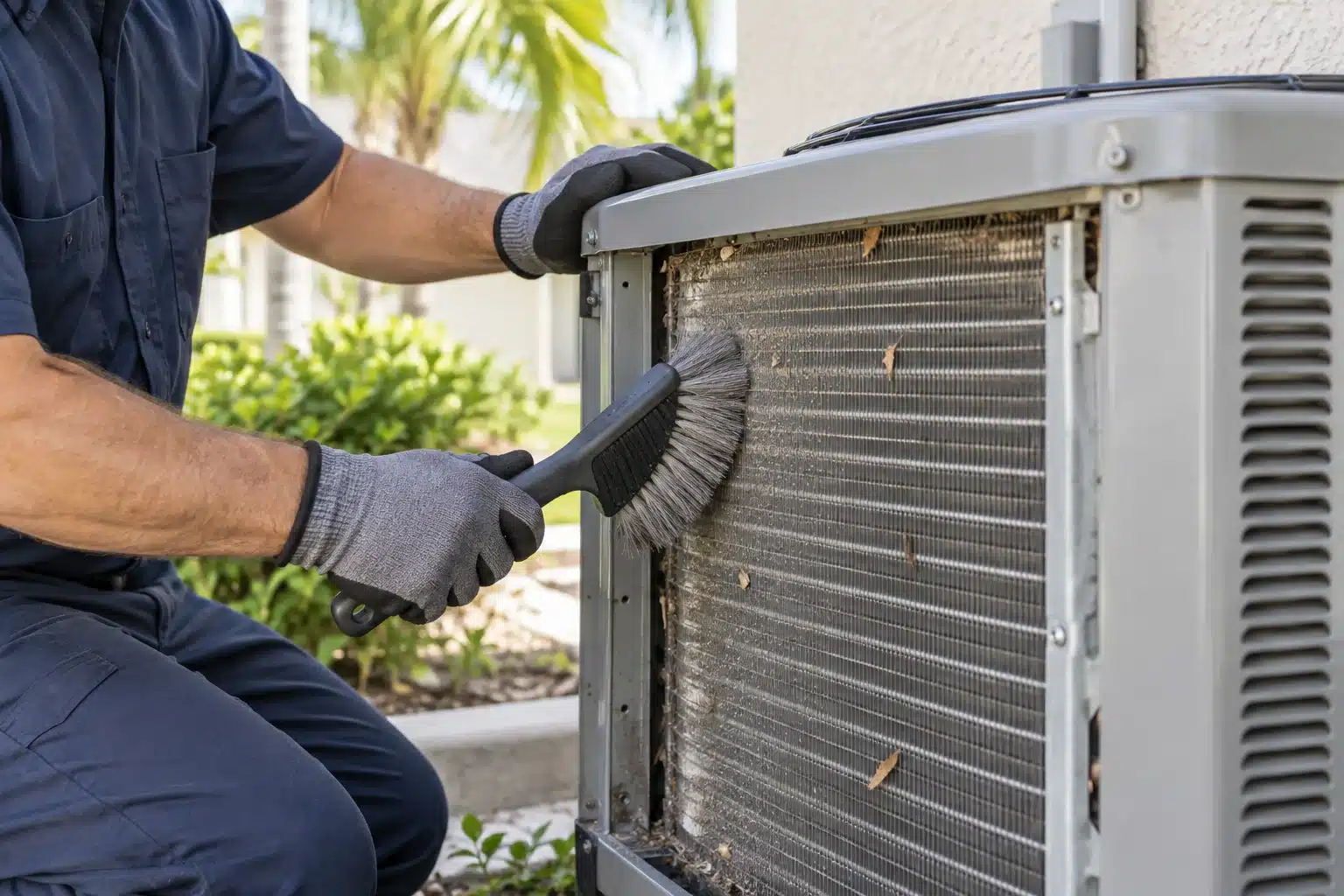
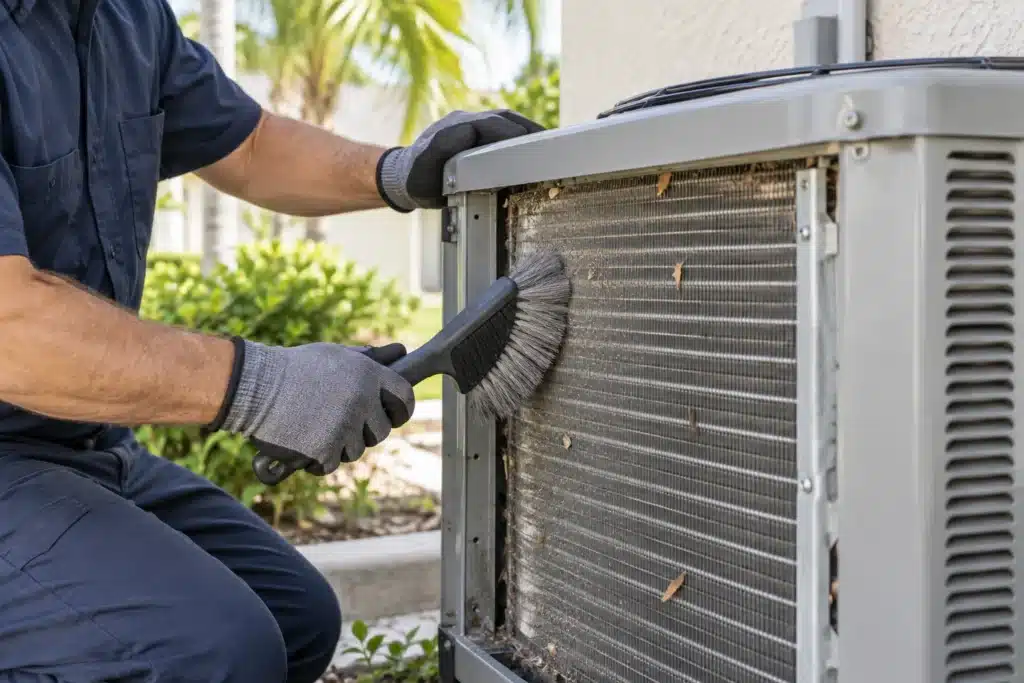
The outdoor unit moves heat from the home into outside air. Its coil wraps around much of the cabinet, with closely spaced fins that need airflow. Grass clippings, leaves, lint, dust, and landscaping debris can collect on or around that surface. A unit crowded by shrubs or storage may also struggle for air, even if the coil itself is reasonably clean.
Not all dirt is visible from several feet away. Some units have protective louvers that hide the coil. Conversely, a dusty-looking cabinet is not proof of a blocked coil. A technician can assess the coil surfaces, airflow path, and general equipment condition before deciding how to clean.
What Dirt On A Coil Can Change
Coils work by transferring heat through thin metal surfaces. A layer of debris can act as a barrier or reduce the air moving through the fins. The AC may run longer to reach the thermostat setting, deliver weaker cooling, or operate under more strain. The exact effect depends on how dirty the coil is and what else is happening in the system.
Outdoor buildup can make it harder for the condenser to reject heat. Indoor buildup can restrict airflow and make it harder for the evaporator to absorb heat. Severe indoor airflow problems may contribute to icing, but an AC freezing up can have several causes. Do not assume a coil wash is the answer to ice on the refrigerant line or air handler.
If you have noticed longer run times or a higher electric bill, coil condition is one reasonable item to check. It is not the only one. Weather, thermostat settings, filter condition, duct leakage, equipment sizing, and mechanical faults can all affect cooling use. A good service visit looks at the system rather than selling cleaning as a cure for every complaint.
Signs It Is Time For A Coil Inspection
You cannot diagnose dirty coils by symptoms alone, but several observations justify an inspection:
- The system runs longer than it used to under similar weather and thermostat settings.
- Cooling feels weak even after you replace a clogged filter and allow the system to run normally.
- Visible leaves, grass clippings, or other debris are packed against the outdoor unit.
- The indoor unit or refrigerant line develops ice, especially with weak airflow.
- A technician has not checked coil condition during recent maintenance.
- The outdoor unit sits near a source of lint, dust, or frequent yard debris.
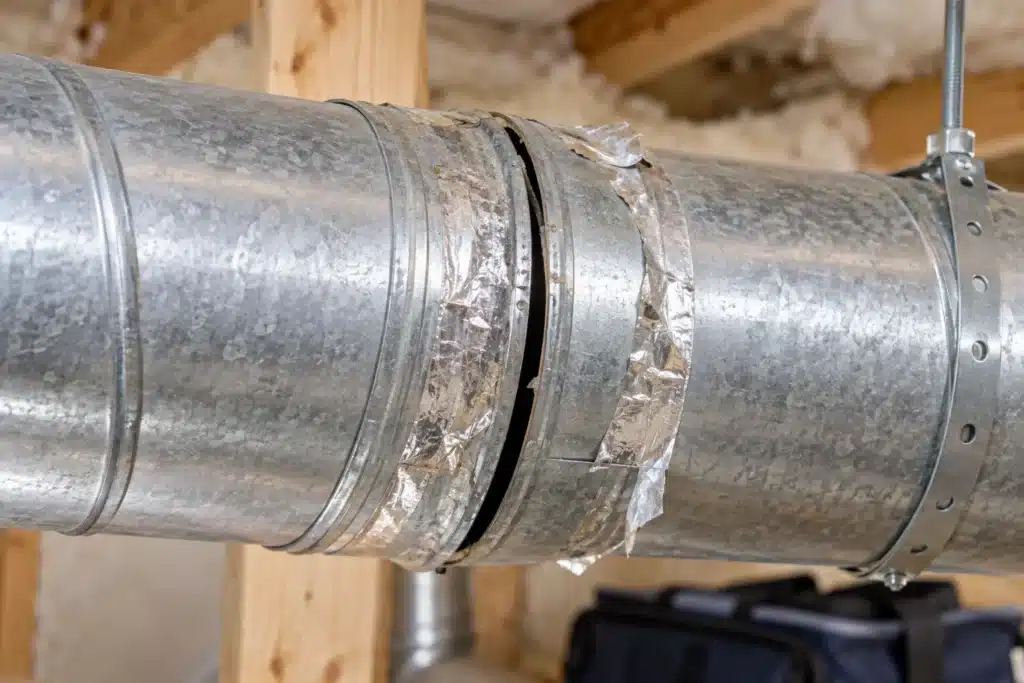
These are reasons to ask questions, not proof that cleaning will solve the problem. If the AC stops cooling, trips a breaker, leaks water indoors, or repeatedly freezes, request AC repair. Those symptoms can require diagnosis beyond a routine maintenance visit.
What Homeowners Can Safely Do
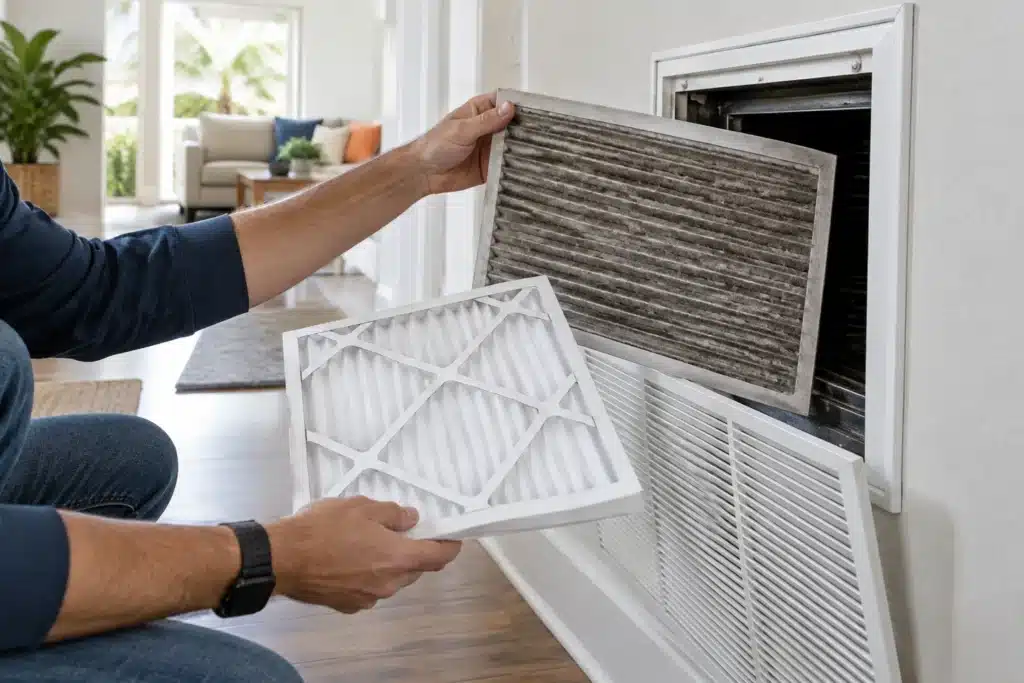
You can reduce avoidable dirt without opening the HVAC system. First, check the accessible air filter and use the type and size recommended for your equipment. Replace or clean it according to the manufacturer's instructions and your home's conditions. A filter that does not fit properly may let dust bypass it; an overly restrictive filter can also reduce airflow.
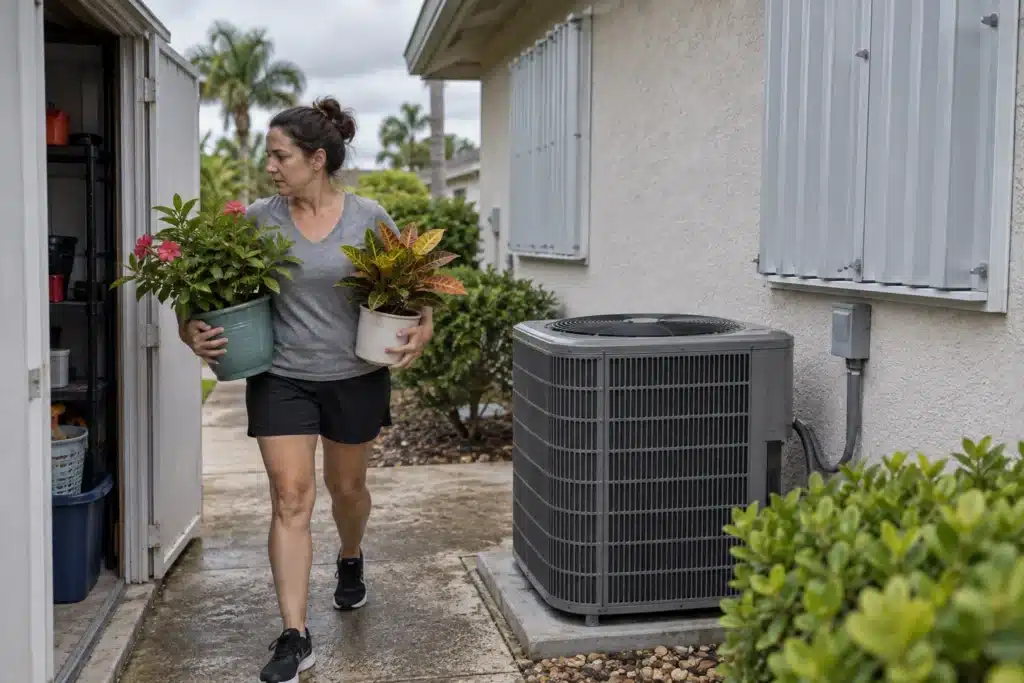
Outside, keep leaves, toys, storage bins, and loose landscaping material away from the condenser. Trim nearby vegetation so the unit has the clearance specified by its manufacturer. Pick up loose debris from the ground around the cabinet when the equipment and weather conditions make it safe. Avoid reaching through a fan grille or pulling material lodged deep in the fins.
Look for obvious changes while you are nearby: a cabinet that has shifted, damaged fins, loose panels, a new sound, or standing water around electrical equipment. Step back and request service if you see damage. If you suspect a refrigerant leak, electrical problem, or flooding, do not attempt to clean or restart the unit.
What Not To Spray On The Coils
Do not use a pressure washer on delicate coil fins. High pressure can bend them and force water into components that should stay dry. Household bleach, strong degreasers, and random online "coil cleaner" recipes are poor substitutes for the product and process specified for your equipment. Even a low-pressure rinse may require access to panels or electrical isolation that a homeowner should not improvise.
Some manufacturers publish homeowner cleaning instructions for specific models. If yours does, follow them exactly and stay within the tasks the manual allows. If the instructions call for removing panels, working near wiring, or using a chemical product you are unsure about, ask an HVAC technician instead.
What Professional AC Coil Cleaning Involves
A professional should start with an assessment, not a spray bottle. The technician checks the equipment type, coil access, filter fit, airflow, and visible buildup. They may also look at the condensate system and nearby components, because dirty coils and drainage problems can occur together without having the same cause.
Cleaning The Outdoor Coil
For an outdoor condenser, the technician follows the equipment's shutdown and access requirements, removes debris, and uses a coil-safe cleaning method appropriate for that unit. The method may involve a controlled rinse or a manufacturer-compatible cleaner when needed. The aim is to clear the heat-transfer surface without bending fins, damaging coatings, or soaking electrical parts.
After cleaning, the technician should confirm that panels are secure and the unit runs as expected. If airflow is still restricted by landscaping or a poor installation location, cleaning alone will not resolve that obstacle. The service findings should explain what was actually observed rather than promising a fixed efficiency improvement.
Cleaning The Indoor Coil
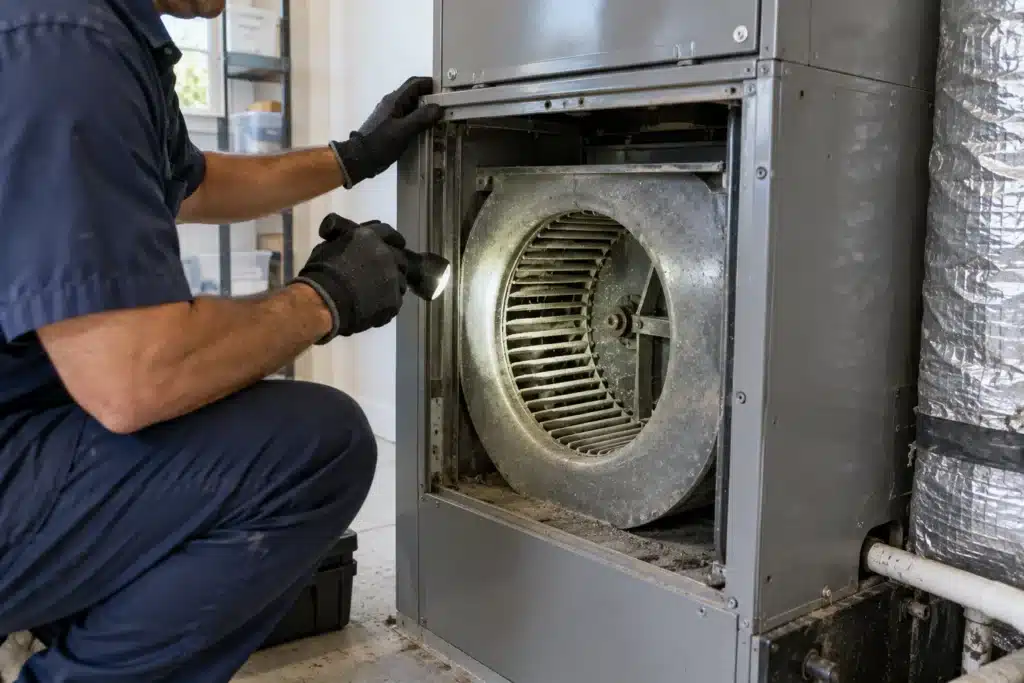
The indoor evaporator coil can be harder to reach. Access depends on the air handler design, and some surfaces are not visible through a small opening. A technician can inspect both the air entering the coil and the drain area, then select a method that protects nearby components and indoor air quality. The condensate pan and drain may need attention separately.
If the coil is heavily contaminated, cleaning may be more involved than a quick surface wipe. If there is visible microbial growth or a persistent odor, the cause of moisture and contamination should be assessed rather than masked with fragrance or an unapproved spray. A professional can explain what is accessible, what requires further work, and whether indoor air quality support is relevant.
How Often Should Coils Be Checked?
There is no universal cleaning interval that fits every home. Coil condition depends on filter fit, pets, construction dust, landscaping, nearby dryers or vents, equipment placement, and how much the system runs. South Florida's long cooling season makes routine inspection useful, but it does not mean every coil needs a chemical cleaning at every visit.
A regular AC maintenance appointment is the right time to ask the technician to show you the coil condition and explain whether cleaning is warranted. ENERGY STAR recommends contractor pre-season checkups and includes coil cleaning in the cooling-specific checklist. Your technician can set an inspection rhythm based on the equipment and what they actually find.
Keep notes from each visit. If the outdoor coil repeatedly fills with grass clippings, consider changing how nearby mowing is done. If the indoor coil repeatedly collects dust, ask about filter fit, return-side leaks, and work that may be creating unusual dust. Preventing recurring buildup is better than paying to clean the same problem without addressing its source.
When Cleaning Alone Will Not Fix The Problem
A clean coil cannot repair a failing fan motor, correct a refrigerant problem, seal leaking ducts, or make an undersized system larger. If a technician finds significant buildup, cleaning may still be appropriate, but the service plan should account for other faults. Ask what was measured or observed and what change to expect after the work.
If the AC has weak airflow, a dirty filter, blocked return, blower issue, duct restriction, or frozen evaporator may be involved. If the outdoor unit is not starting, electrical or control issues may be more urgent than coil condition. Repeated breaker trips or damaged wiring call for professional evaluation, not more cleaning attempts.
Be cautious of any claim that a coil wash will always lower your bill by a stated percentage. Cleaner coils can support normal heat transfer, but the result in one home depends on the starting condition and the rest of the system. The clearest outcome is a documented finding and a sensible next step.
Frequently Asked Questions
Can I clean AC coils myself?
You can maintain the filter and clear loose material around the outdoor cabinet. Internal coil cleaning can involve delicate fins, chemicals, panels, and electrical components. Follow only the homeowner instructions for your specific model; otherwise, have a qualified technician do the work.
Will dirty coils make my AC freeze?
Restricted airflow across a dirty indoor coil can contribute to freezing, but other airflow or refrigerant problems can cause ice too. Turn cooling off and request a diagnosis rather than repeatedly restarting a frozen system.
Does a dirty outdoor unit always need a chemical cleaner?
No. The needed method depends on the type and amount of buildup and the manufacturer's instructions. A technician may use a controlled rinse or another coil-safe approach. Strong chemicals are not automatically better.
How do I know whether the indoor coil is dirty?
The coil is usually behind a service panel, so homeowners often cannot see it. Weak cooling or airflow is not enough to confirm the cause. Ask for a coil inspection during maintenance, especially if filters have been neglected or the system has persistent performance problems.
Is coil cleaning included in every maintenance visit?
Do not assume it is. The scope of a maintenance visit varies by provider and equipment condition. Ask what inspection is included, whether cleaning is indicated, and whether any additional work needs a separate estimate.
Get The Right Work, Not Just A Quick Wash
AC Coil Cleaning has a real role in system maintenance, but it should follow an inspection and fit the equipment. Keep filters maintained and the outdoor unit clear. Leave internal cleaning, damaged fins, electrical access, and uncertain symptoms to a professional who can explain what the system needs.
Tri-County HVAC helps homeowners in Palm Beach County and surrounding South Florida communities evaluate cooling problems and maintain their systems. To request service, call (561) 281-8074 or contact Tri-County HVAC online.