A warm bedroom or a dusty return grille can make you wonder whether your AC is losing air somewhere above the ceiling. Before paying for duct repairs, though, it helps to know what an inspection can establish and which questions still need testing.
Duct leaks are openings in the air-distribution system. They are different from refrigerant leaks, and an uncomfortable room alone does not confirm them. A useful evaluation connects the home's symptoms with visible findings and, when appropriate, measurements.
For homeowners in Loxahatchee and Palm Beach County, this guide explains what to ask about leak testing, how to read the findings, and what should be clarified before work begins. The goal is a repair recommendation you can understand, with a clear plan for checking the result.
Table of Contents
Start with the Question the Inspection Should Answer
“Check my ducts” is a reasonable request, but a more specific concern gives the appointment a useful starting point. Perhaps one room stays warm after equipment service. Maybe a contractor noticed a loose connection, or a recent renovation changed how the house feels.
Tell the team what you have observed and what you want to learn. You might ask whether air is escaping from a particular branch, whether a return connection needs attention, or whether the ducts should be evaluated before an equipment replacement.
Also explain what has already been tried. A filter change, thermostat adjustment, or recent repair belongs in the history. That does not eliminate every equipment issue, but it helps the technician avoid working from an incomplete picture.
Confirm whether you are booking a visual inspection, an airflow evaluation, a leakage test, or a broader diagnostic visit. Those descriptions are not interchangeable. Ask which services are available and what the appointment includes before assuming specialized testing is part of it.
Understand Supply and Return Leaks
The supply side delivers conditioned air to the rooms. The return side brings indoor air back toward the air handler. Openings can affect either path, but their effects depend partly on where the ducts run.
Supply leaks can send cooled air to the wrong place
A gap in a supply connection can let air escape before it reaches the intended room. When the duct passes through an unconditioned attic, that cooled air may end up outside the living space. The location of a leak matters when deciding what to investigate.
Return leaks can draw air from unintended spaces
A return opening may pull in air from an attic or cavity rather than only from the home. In a humid South Florida environment, the source of that air deserves attention. This is one reason an evaluation should consider return connections as well as supply branches.
Ask the technician to identify which side is affected and where the opening is located. “A loose supply connection near the guest bedroom” gives you a clearer starting point than “bad ducts.” Dust or humidity alone cannot establish that diagnosis.
What a Visual Inspection Can Tell You
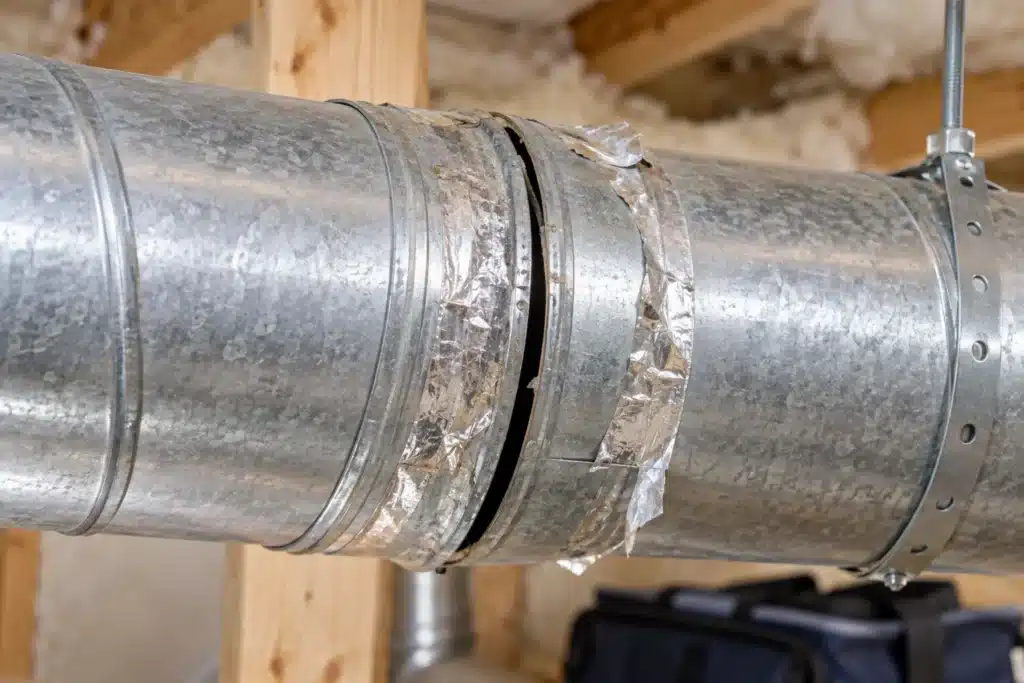
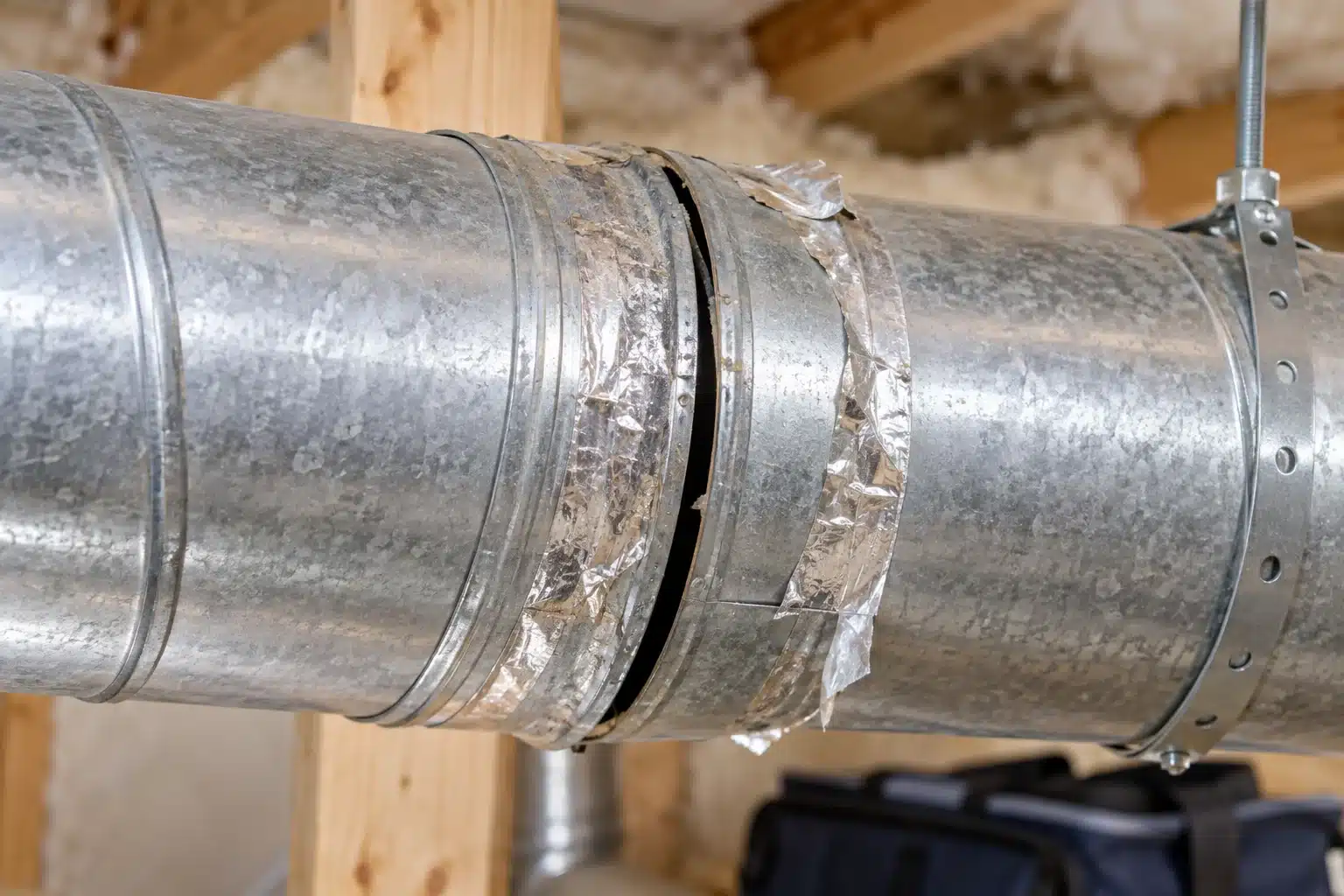
A visual review can identify an open joint, a disconnected section, deteriorated sealing material, or damage in an accessible area. A clear photograph can show the location and condition of a connection without requiring you to enter the attic.
Ask what the photograph shows. Is there an opening into the air path, damage only to the outer insulation jacket, or both? An outer covering and the duct's inner air path serve different purposes. Their condition should be explained separately.
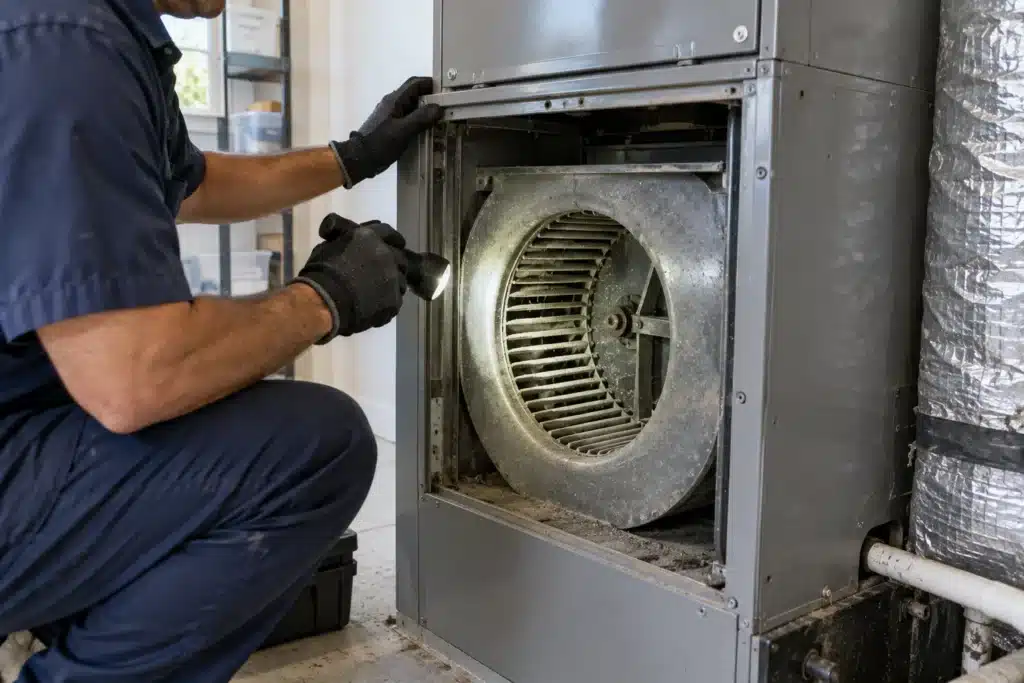
Access matters, too. Parts of the system may be hidden behind finishes or beyond safe reach. If the inspection covered only accessible sections, the report should say so. An uninspected area should not be described as sound simply because it was out of view.
A visible gap is useful evidence of a local problem. It does not quantify the total leakage in the system, establish every leak location, or show how much of a comfort complaint that gap explains. Ask whether the finding is sufficient for the proposed local repair or whether another assessment would answer an unresolved question.
What Duct Leakage Testing Measures
A duct leakage test uses controlled conditions to measure air leakage. It is different from placing a hand near a vent or photographing a damaged connection. The Department of Energy's duct leakage training distinguishes total leakage from leakage to outdoors, two measurements that answer different questions.
Total duct leakage
In a typical pressurization test, registers are temporarily sealed and a calibrated fan is connected to the duct system. The airflow required to maintain a specified pressure provides a measure of leakage under the test conditions. This is professional testing, not a homeowner experiment.
A total leakage result describes the duct system's overall leakage under that setup. It does not automatically tell you which individual connection is responsible. Ask the person performing the test how leak locations will be investigated.
Leakage to outdoors
Leakage to outdoors focuses on leakage beyond the home's conditioned enclosure. That distinction matters because leakage into an unconditioned space differs from leakage that remains within the conditioned enclosure. Establishing that measurement requires the appropriate testing procedure.
Ask which test is proposed, why it fits your concern, and how its result will be reported. The report should identify the measurement, units, test pressure, and relevant limitations. If a percentage is quoted, ask what it is calculated against.
Do not assume a testing method or instrument is offered by every HVAC company. Confirm availability when arranging the appointment. A straightforward visible disconnection may support a local repair, while another concern may warrant specialized testing.
What a Leakage Result Does Not Prove
A leakage number is one finding. It does not by itself establish that every duct needs replacement, that a particular room will cool properly after sealing, or that the utility bill will drop by a specific amount.
Air delivery also depends on routing, restrictions, return pathways, and equipment performance. ENERGY STAR's quality-installation guidance treats airflow and duct evaluation as important parts of system performance. A leakage assessment should be considered alongside the problem you are trying to solve.
For example, imagine a report identifies leakage and the homeowner's main concern is a warm bedroom. Ask whether the proposed correction addresses that room's air delivery or whether another issue remains to be evaluated. That question keeps the recommendation tied to your complaint.
If the concern is mainly uneven room temperature, Tri-County's guide to airflow problems and hot rooms explains the broader possibilities. Use a leakage finding to inform the diagnosis rather than treating it as the answer to every symptom.
Connect the Findings to a Repair Scope
Before approving work, request a written description of the affected area and proposed correction. A specific scope lets you compare what was found with what you are being asked to purchase.
Useful questions include:
- Which connection, branch, or return section is affected?
- Is the problem an opening, physical damage, insulation damage, or a combination?
- Will the connection be repaired and secured before it is sealed?
- Which areas are included, and which remain inaccessible?
- Will any insulation or outer covering need restoration?
- How will the work be checked afterward?
A local repair and a larger project need different explanations. If replacement is recommended, ask what condition makes repair unsuitable and whether the proposal covers one section or a wider area. Tri-County's ductwork replacement decision guide covers that broader choice.
Keep assumptions visible in the estimate. If hidden damage could change the scope, ask how additional findings would be documented and approved. You should know what the current proposal covers before access or demolition reveals anything else.
Why Sealing Materials and Connections Matter
Closing an air leak and securing a connection are related tasks. Sealant should not substitute for correcting a loose or damaged connection. Ask how the proposed method suits the duct material and condition.
ENERGY STAR's duct-sealing guidance identifies mastic or appropriate metal tape as sealing materials and cautions against ordinary duct tape because it does not last. The word “tape” on an estimate is therefore worth clarifying.
Depending on the duct type and location, insulation and the outer covering may also need attention after the air path is repaired. Ask whether those steps are included. A connection should not be considered fully addressed just because the visible seam looks neater.
This is a discussion guide, not an attic repair tutorial. Leave hidden ducts, elevated work, and difficult access to the appropriate professional. Do not cut into coverings, apply household tape to concealed equipment, or use a flame or improvised smoke source to search for leaks.
Ask How the Completed Work Will Be Checked
The checking method should match the work and the original concern. Ask about it before approving the estimate, so the expected handover is clear.
For a documented local connection repair, the record might include photographs and an explanation of what was corrected. Where leakage testing is part of the project, ask whether a comparable follow-up test is included and how the results will be compared.
A useful before-and-after comparison should identify the same measurement and comparable test conditions. If the setup differs, ask what that difference means for interpreting the numbers. Do not treat two unexplained percentages as proof of a particular improvement.
Also ask about air delivery after the work. ENERGY STAR's professional duct-improvement guidance recommends evaluating airflow after repairs and addressing combustion safety where fuel-burning appliances are present.
Keep the report and note what happens to the original complaint during ordinary use. If the room remains uncomfortable, return to that unresolved concern with the findings in hand. Avoid changing several thermostat or vent settings at once, which can make the follow-up conversation harder to interpret.
Prepare for a Ductwork Evaluation
You can collect useful information from the living space. Record affected rooms, when the problem occurs, and whether it began after a renovation or service visit. Have prior reports and estimates available.
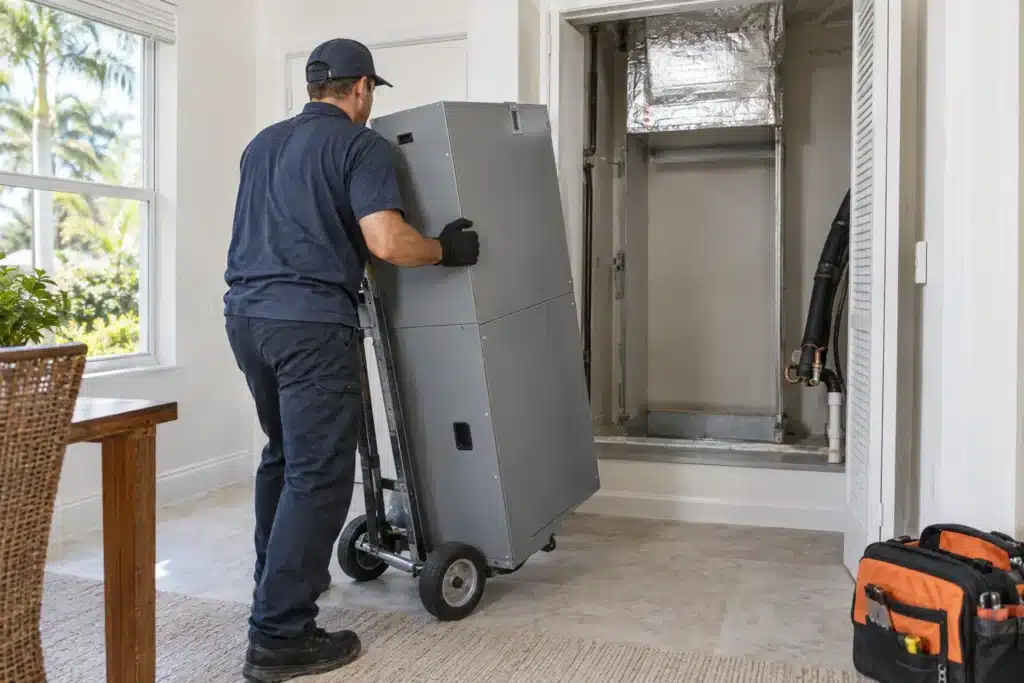
Tell the scheduler where the air handler and normal access points are located. Mention restricted access and any known damage. Clear the normal route and secure pets, but leave concealed equipment and attic access work to the team.
If another contractor provided photos or measurements, share the actual report rather than only its conclusion. “The ducts leak” leaves out details that may matter. The location, test method, and proposed scope give the next professional something concrete to review.
Tri-County HVAC provides ductwork replacement services in its South Florida service area. For a home in Loxahatchee or Palm Beach County, describe your concern and ask what evaluation is appropriate, including whether specialized leakage testing is available or needs separate arrangements.
Call (561) 281-8074, contact the team, or request an appointment online. Have any previous findings ready so the conversation can start with the problem you want addressed.
Frequently Asked Questions
Are duct leaks the same as refrigerant leaks?
No. Duct leaks involve the air-distribution path. Refrigerant leaks involve the refrigeration circuit. Tell the scheduler which concern was reported and share the supporting findings.
Can a photograph prove how much air is leaking?
A photograph can document a visible opening or damaged connection. It does not measure total leakage. Ask what the photo establishes and whether a measurement would help answer the remaining question.
Does leakage mean all the ducts need replacement?
No. Ask which areas are affected and why the proposed correction fits their condition. A local connection problem and widespread damage require different scopes.
Does a blower door test measure duct leakage?
A blower door test primarily evaluates the building enclosure's air leakage. It can be part of a procedure for assessing duct leakage to outdoors, but a building airtightness result alone is not a duct leakage result.
Will sealing guarantee lower bills or fix every hot room?
No. Results depend on the leakage, its location, and other conditions in the home and HVAC system. Ask what the findings support and which concerns may remain after the proposed work.
Use the Findings to Choose the Next Step
Duct leaks deserve a clear explanation: where they are, what the evidence shows, what work is proposed, and how it will be checked. With those details, you can make a more informed decision and keep any unresolved comfort issue in view.