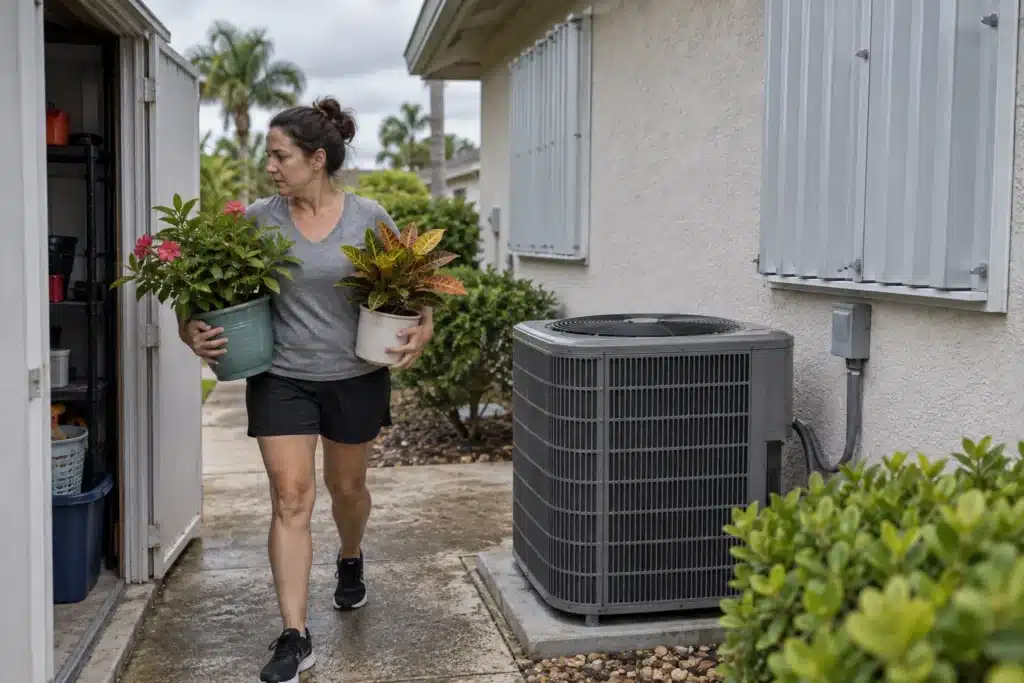
The candy bowl is ready, the pumpkins are on the porch, and guests are due soon. Then you notice the house feels warmer than it should. The AC may still be running, but the rooms are no longer getting comfortable.
Halloween AC trouble can interrupt a South Florida evening without much warning. The useful response is to check for safety concerns, review a few accessible settings, and arrange professional help when cooling does not return. Repeated thermostat changes and hurried DIY repairs can make the situation harder to manage.
This guide helps homeowners in Loxahatchee and Palm Beach County handle a cooling interruption during Halloween plans. It focuses on what to observe, how to avoid adding unnecessary heat, and what to tell the service team. It does not diagnose the fault or promise a repair before the party starts.
Table of Contents
Check for Safety Concerns Before Troubleshooting
First, decide whether it is appropriate to do any homeowner checks. Smoke, sparking, a burning smell, water near electrical equipment, or severe new mechanical noise should move the situation beyond a thermostat review.
If there is a fire or smoke emergency, get everyone to safety and call 911 from a safe location. The American Red Cross advises getting out and calling emergency services when a home fire starts. An HVAC appointment is not a substitute for emergency response.
For equipment concerns without an immediate fire emergency, turn the affected system off only if you can do so safely from an accessible control. Keep people away from water and exposed electrical areas, and call for professional guidance. Do not enter a wet equipment area to reach a switch.
Do not repeatedly reset a tripping breaker, bypass a safety switch, open service panels, or attempt refrigerant work. The holiday deadline does not make those actions safer. If you are unsure whether the system should remain on, describe the symptoms when you call.
Review the Thermostat Settings Once
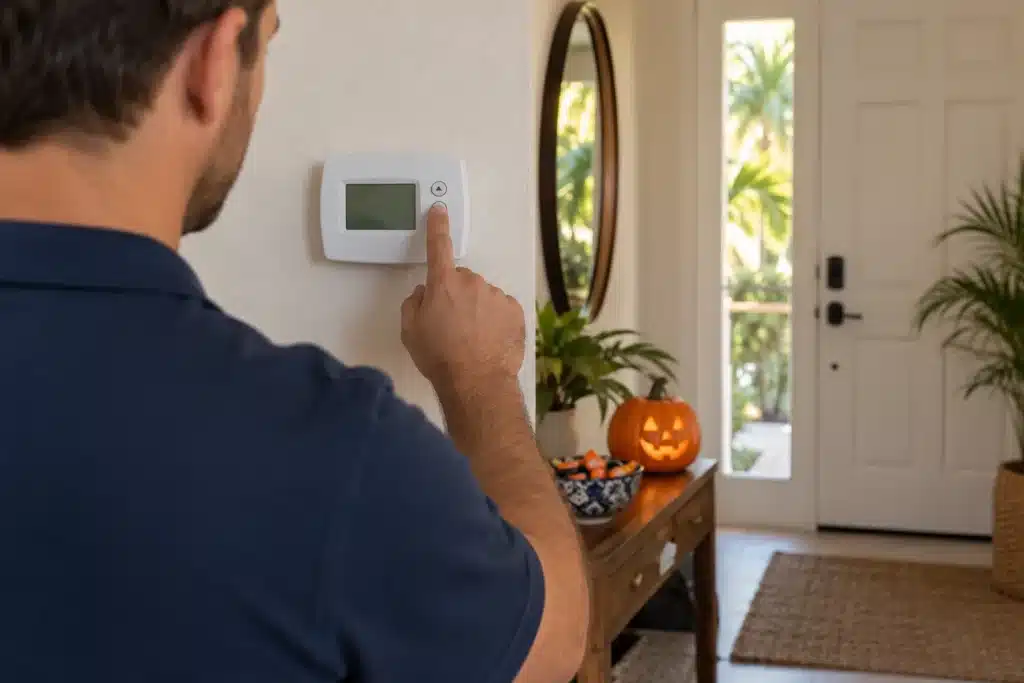
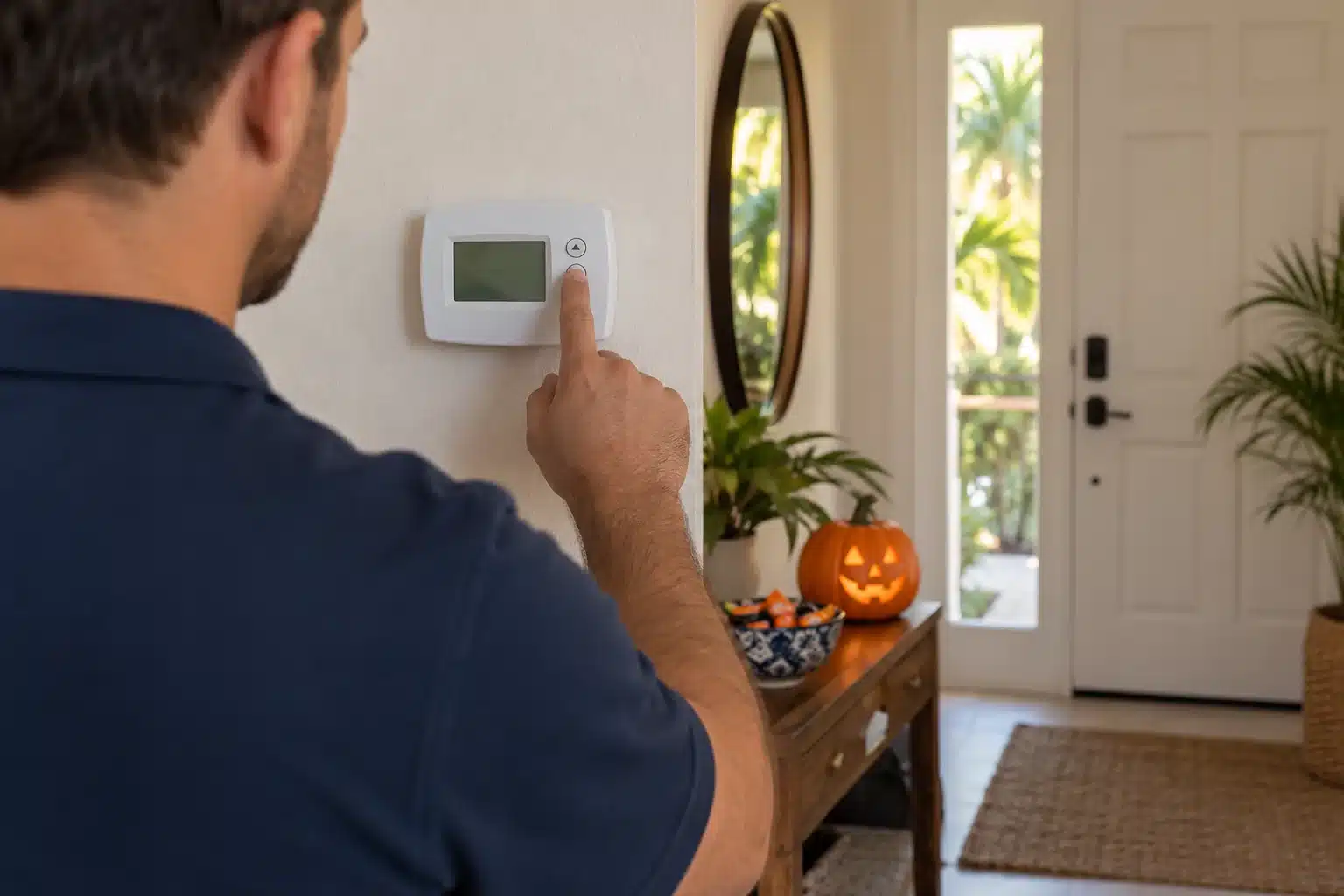
If there are no immediate safety concerns, look at the ordinary controls. Confirm the system is set to cooling and that the set temperature calls for cooling. Check whether a schedule or temporary setting changed the expected operation.
Note what the display shows, including any message. If the thermostat uses homeowner-replaceable batteries, follow its instructions rather than opening unfamiliar compartments or touching wiring. A blank screen can have several causes and does not establish that the thermostat itself has failed.
Carrier's homeowner troubleshooting guidance includes thermostat and filter checks among the accessible starting points. If those checks do not explain the problem, the next step is professional evaluation.
Resist the temptation to keep lowering the setting. The Department of Energy's cooling guidance explains that a colder-than-normal thermostat setting does not cool the home faster. It also cannot restore capacity to a system with a fault.
Ask one person to handle the controls for the evening. When several guests make adjustments, it becomes harder to explain which settings were in place when the problem began.
Check Accessible Vents and the Filter
A Halloween setup can place furniture, decorations, or stored boxes in unusual locations. Look for an obvious obstruction at accessible supply vents and return grilles. Move lightweight items away from those openings without reaching inside them.
Do not close several vents to try to force cooling toward the party room. If one area remains uncomfortable, tell the technician which room it is and whether the problem affects other rooms too.
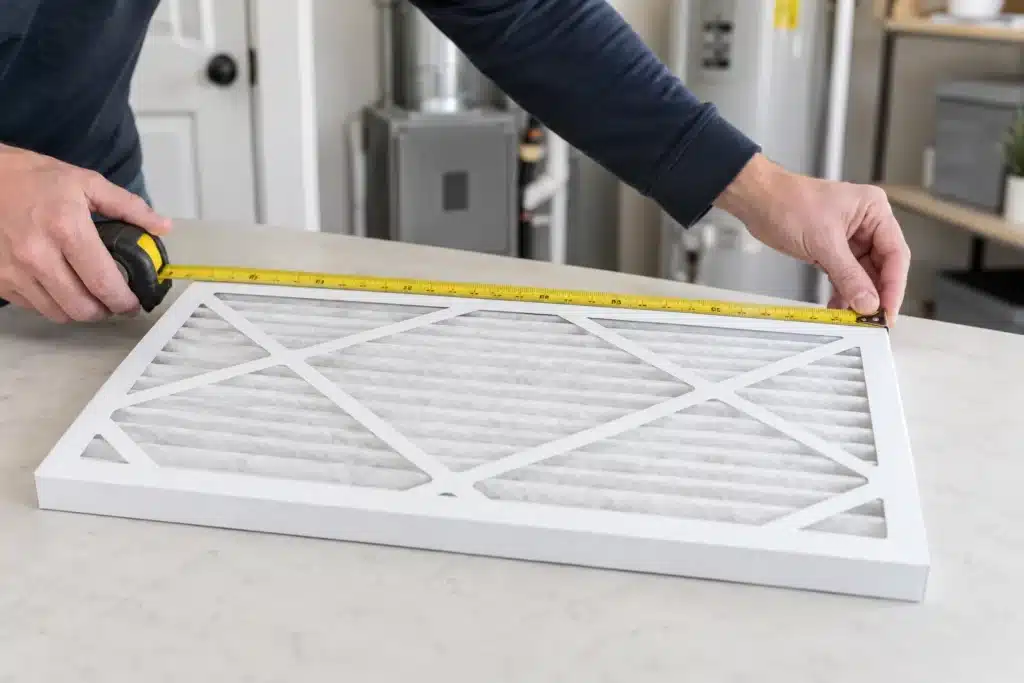
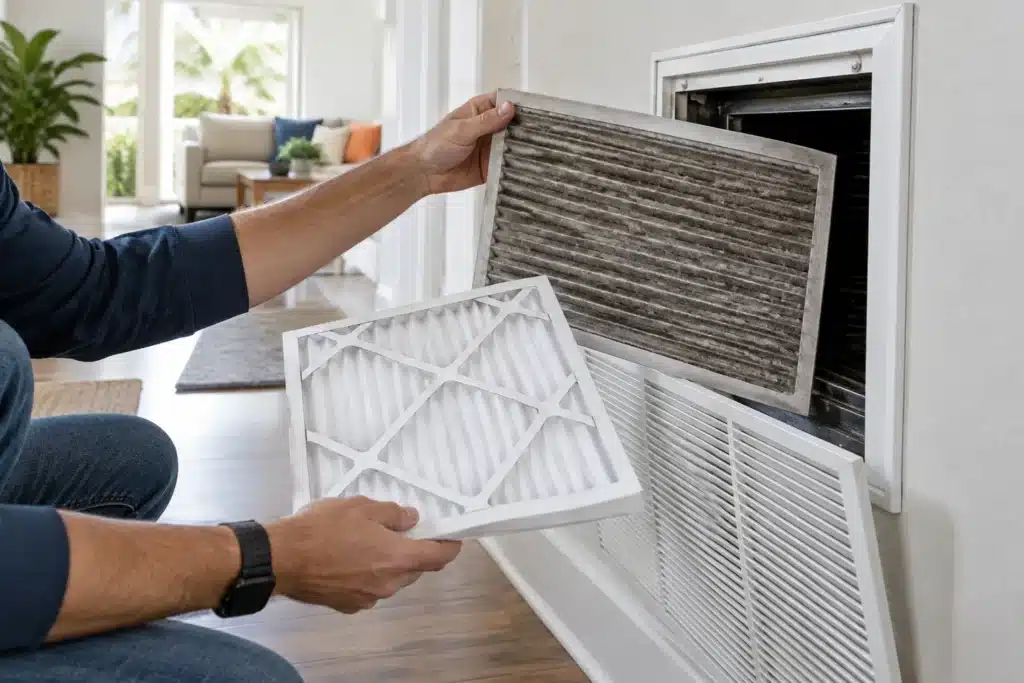
If your filter is safely accessible through its designated opening, check it according to the equipment instructions. Use the correct replacement when needed. Do not open internal equipment panels, climb into the attic, or run the system without its required filter.
Keep this check brief. The filter may be relevant, but it is not the explanation for every loss of cooling. If you see ice or leaking water, stop normal cooling operation when safe and call for guidance rather than continuing with a filter experiment.
Close the Door Between Trick-or-Treat Visitors
The front door may open more often on Halloween than on a typical evening. Where outdoor air is warm and humid, keeping it open can add to the indoor cooling demand. Close it between visitors instead of leaving it propped open.
Set the candy bowl and porch decorations where they do not obstruct the door or normal exit path. Choose one convenient greeting area so visitors do not need to move through the house and several doors do not stay open at once.
If cooling is still working, managing door traffic can avoid an unnecessary extra load. If cooling has stopped, closing the door does not repair the system or guarantee the home will stay comfortable. Continue watching the indoor conditions and adjust the gathering if needed.
You can keep the Halloween welcome without turning the doorway into a permanent opening. A simple greeting routine is easier to manage than repeatedly changing the thermostat while warm outdoor air enters the home.
Keep the Gathering from Adding Unnecessary Heat
Review which appliances need to run while the AC issue is being addressed. If meal plans are flexible, avoid unnecessary oven use or prolonged reheating. The Department of Energy's heat-reduction tips include avoiding oven use when trying to limit indoor heat.
Turn off unused lighting and equipment, and keep afternoon window coverings closed where appropriate. These are sensible ways to limit additional heat; they are not substitutes for restoring cooling.
Keep electrical decorations away from equipment access, controls, and wet areas. Do not move a party supply table in front of the air handler or block a return grille with a seasonal display.
If you use a portable fan, follow its instructions, keep the cord and base out of walking paths, and use it only in a dry, suitable location. Air movement can help comfort, but a fan does not replace an operating AC system or ensure a hot room is safe.
Choose changes that are easy to manage while hosting. You do not need to redesign the evening around a series of cooling experiments. Reduce avoidable heat, then focus on the service request and whether the location remains comfortable.
Adjust Plans If the Home Keeps Getting Warmer
If the indoor conditions continue to worsen, change the gathering plan rather than relying on an unconfirmed arrival or repair time. A nearby comfortable, cooled location may be more practical than keeping everyone in a home that is becoming too warm.
Tell guests about the cooling issue before they arrive when possible. You can move a meal, shorten an indoor visit, or postpone part of the gathering without waiting for a diagnosis. Keep children and pets with their responsible caregivers while plans change.
Do not assume the evening breeze will solve the problem. Outdoor conditions vary, and opening doors or windows may bring in warmer or more humid air. Make decisions from the actual conditions at your home.
A service request and a gathering plan can proceed together. Arrange the HVAC evaluation while deciding where everyone can comfortably spend the evening. The technician should not have to promise a particular outcome for you to make that practical choice.
Prepare a Clear Service Request
A short, specific description helps the scheduler understand what is happening. Start with the observed problem: the system stopped, it runs without cooling, airflow changed, or you noticed water or a new sound.
Have these details ready:
- Your address, callback number, and access information.
- When you first noticed the change.
- Whether the issue affects the whole home or a particular area.
- The thermostat setting, displayed temperature, and any message.
- Any water, ice, unusual noise, odor, or electrical concern.
- The safe checks already completed and any recent service history.
Explain whether the system is now off and why. Describe the actual observation rather than assigning a cause. “It stopped and there is water beside the indoor unit” is more useful than guessing that a specific part has failed.
Ask about availability, the appropriate appointment type, and any preparation the team recommends. Emergency service availability does not establish an exact arrival time or guarantee that the repair can be finished during the visit.
Keep the Service Area Accessible While Waiting
Keep decorations, candy baskets, party supplies, and parked vehicles clear of the normal equipment access route. Turn on ordinary entry lighting and tell the team about gates, pets, or restricted access.
Make one person the contact for the appointment. Have prior service information available, but leave panels and internal parts alone. A safe photo or recording can help explain an intermittent concern without restarting equipment to reproduce it.
Follow the service team's guidance about operation. Do not keep restarting a system that has shown ice, water, electrical symptoms, or severe noise just to see whether it will work before guests arrive.
Ask What the Diagnosis and Repair Involve
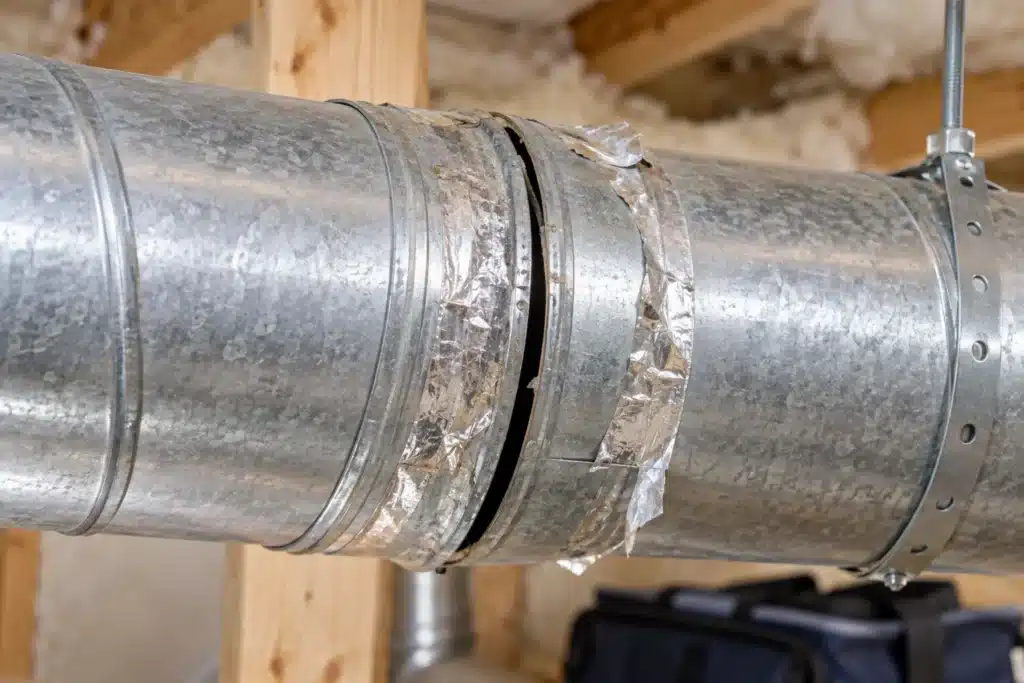
The Halloween timing does not identify the fault. A technician may need to review controls, airflow, drainage, electrical condition, or cooling performance based on the symptoms and equipment.
Ask what was found, what correction is proposed, and what the work is expected to address. Confirm the scope and charges before approving additional work. If parts or another visit are needed, ask what happens next and whether the system can operate safely in the meantime.
For broader guidance about urgent symptoms, see Tri-County's emergency AC repair guide. This Halloween plan complements that article by focusing on the immediate hosting and service decisions.
Tri-County HVAC offers AC diagnosis and repair and emergency AC service for its South Florida service area. If cooling stops at your Loxahatchee or Palm Beach County home, describe the issue and ask about the appropriate next step.
Call (561) 281-8074 for urgent service questions. You can also contact the team or request an appointment online. Do not rely on an online submission as confirmation of an immediate response.
Frequently Asked Questions
Can Halloween guests make an AC problem more noticeable?
Additional activity, cooking, and door openings can add demand. That does not prove a particular fault. Tell the technician what changed and when you noticed the cooling issue.
Should I keep lowering the thermostat?
No. Confirm the normal cooling settings, then avoid repeated adjustments. A lower setting does not make a malfunctioning system cool faster.
Will closing the door fix an AC that has stopped cooling?
No. It can limit unnecessary outdoor-air entry, but the system may still need diagnosis. Change plans if the home is becoming uncomfortable.
Should I attempt a drain or electrical repair before the party?
No. Keep checks to safe, designated homeowner tasks. Leave electrical work, internal components, safety controls, refrigerant, and unfamiliar drainage repairs to a professional.
Can emergency service guarantee a repair that evening?
No. Ask about availability and next steps. Diagnosis, parts, equipment condition, and access can affect what can be completed.
Keep the Evening Focused on a Clear Next Step
Halloween AC trouble calls for a calm plan: check safety first, review accessible settings, reduce avoidable heat, and arrange professional help when needed. Keep the gathering flexible while the problem is evaluated. Tri-County HVAC wishes its South Florida neighbors a safe and happy Halloween.