A High Electric Bill can be frustrating, especially when your air conditioner seems to be running the same way it always has. In South Florida, cooling often represents a large part of a home's warm-weather energy use. That makes the AC system an important place to look, but it does not mean the equipment is automatically broken.
Hotter weather, more time at home, thermostat changes, utility-rate differences, and longer billing periods can all affect the total. At the same time, restricted airflow, dirty components, duct problems, or declining equipment performance may cause an air conditioner to run longer than necessary.
The goal is not to guess from the bill alone. It is to compare the right information, make a few safe checks, and watch for comfort or operating changes that point toward professional service.
Table Of Contents
Quick Answer: Can Your AC Cause A High Electric Bill?
Yes, an air conditioner can contribute to a higher electric bill when it runs longer, starts and stops unusually, struggles with airflow, or operates with a maintenance or repair problem. The bill itself cannot identify the cause. A higher total may also reflect hotter outdoor temperatures, a longer billing cycle, changes in utility rates, more occupants, or added electrical use elsewhere in the home.
Start by comparing energy use, billing days, and weather instead of looking only at the dollar amount. Then consider whether the home feels different. Longer run times, weak airflow, uneven temperatures, excess humidity, unusual sounds, ice, or repeated thermostat adjustments give an HVAC technician more useful information than the bill alone.
If the increase is sudden and the AC is no longer cooling normally, request professional AC repair. If the system is cooling but has not been evaluated recently, maintenance may be the more appropriate starting point.
How To Compare Electric Bills More Accurately
A dollar-to-dollar comparison can be misleading. Rates, taxes, fees, and billing-period length may change even when household energy use stays similar. Look for the electricity-consumption figure on each bill, commonly shown in kilowatt-hours, and note how many days each bill covers.
Compare the latest bill with the same time last year when possible. A comparison with a mild spring month will not tell you much about late-summer cooling demand. Also consider whether the home had more guests, school was out, remote work increased, a pool pump schedule changed, or another major appliance was used more often.
Many utilities provide a daily or hourly usage dashboard. A pattern that rises sharply on the hottest afternoons may reflect cooling demand. A steady increase at all hours may point toward a broader household issue. This still does not diagnose the AC, but it helps narrow the conversation.
Write down when the change began and whether any thermostat, equipment, occupancy, or home-improvement changes happened around the same time. That timeline can make a service visit more productive.
When Higher Cooling Use May Be Normal
South Florida air conditioners work against heat, solar gain, and humidity for much of the year. During a hotter or more humid stretch, a properly operating system may run longer to maintain the same indoor setting. Longer operation is not automatically a defect.
A lower thermostat setting can also increase cooling demand. Even a setting that felt reasonable during milder weather may require much more run time during a hot afternoon. Open doors, frequent trips in and out, cooking, large gatherings, and sunlight through uncovered windows add heat that the AC must remove.
Pay attention to results as well as run time. A system that runs for longer cycles but maintains an even temperature and manages humidity may be responding normally to the weather. A system that runs almost constantly while the home becomes warmer, more humid, or uneven deserves closer attention.
AC Problems That May Increase Energy Use
Several HVAC conditions can increase run time or reduce cooling performance. They often produce similar symptoms, so an inspection is needed before deciding on a repair.
A Dirty Or Overly Restrictive Air Filter
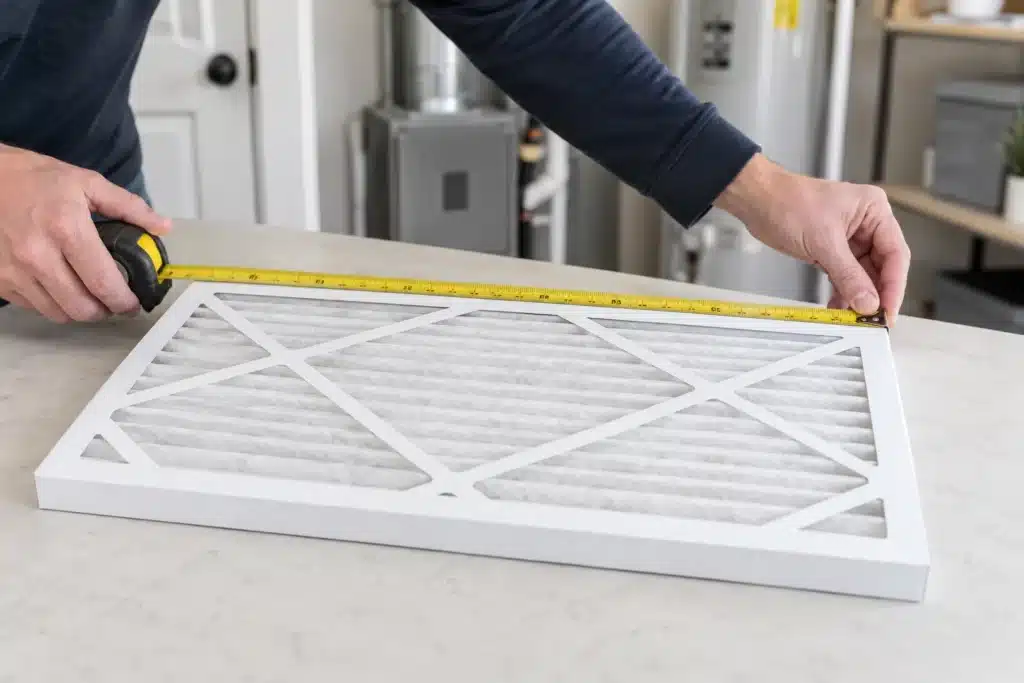
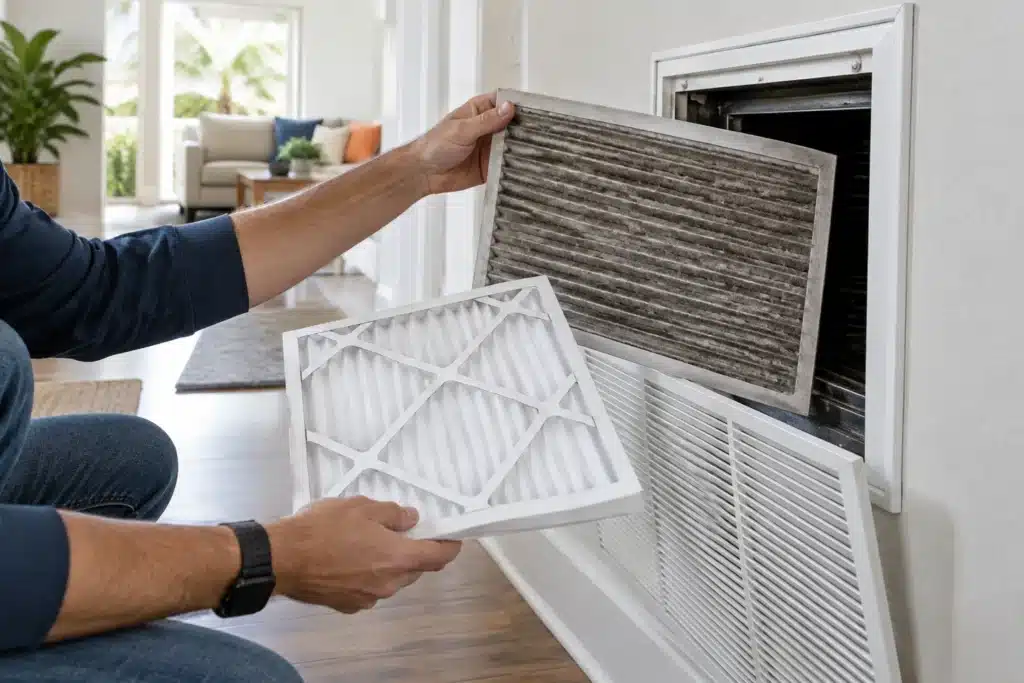
A dirty filter can reduce airflow through the system. The blower may have to work against greater resistance, and the AC may run longer while delivering less air to the rooms. Check the filter regularly during heavy cooling months and use the size and type appropriate for the equipment.
A very high-efficiency filter is not automatically better for every system. If it is more restrictive than the system can handle, airflow may suffer even when the filter looks clean.
Blocked Returns Or Closed Supply Vents
Furniture, rugs, boxes, and curtains can block return or supply openings. Closing several vents to force air into another room may also disrupt system airflow. Keep accessible grilles open and clear unless a qualified technician has recommended a specific balancing adjustment.
If certain rooms still stay warmer, read Tri-County HVAC's guide to airflow problems and hot rooms. The cause may involve duct layout, balancing, insulation, air leakage, or equipment performance rather than the vent itself.
Dirty Indoor Or Outdoor Components
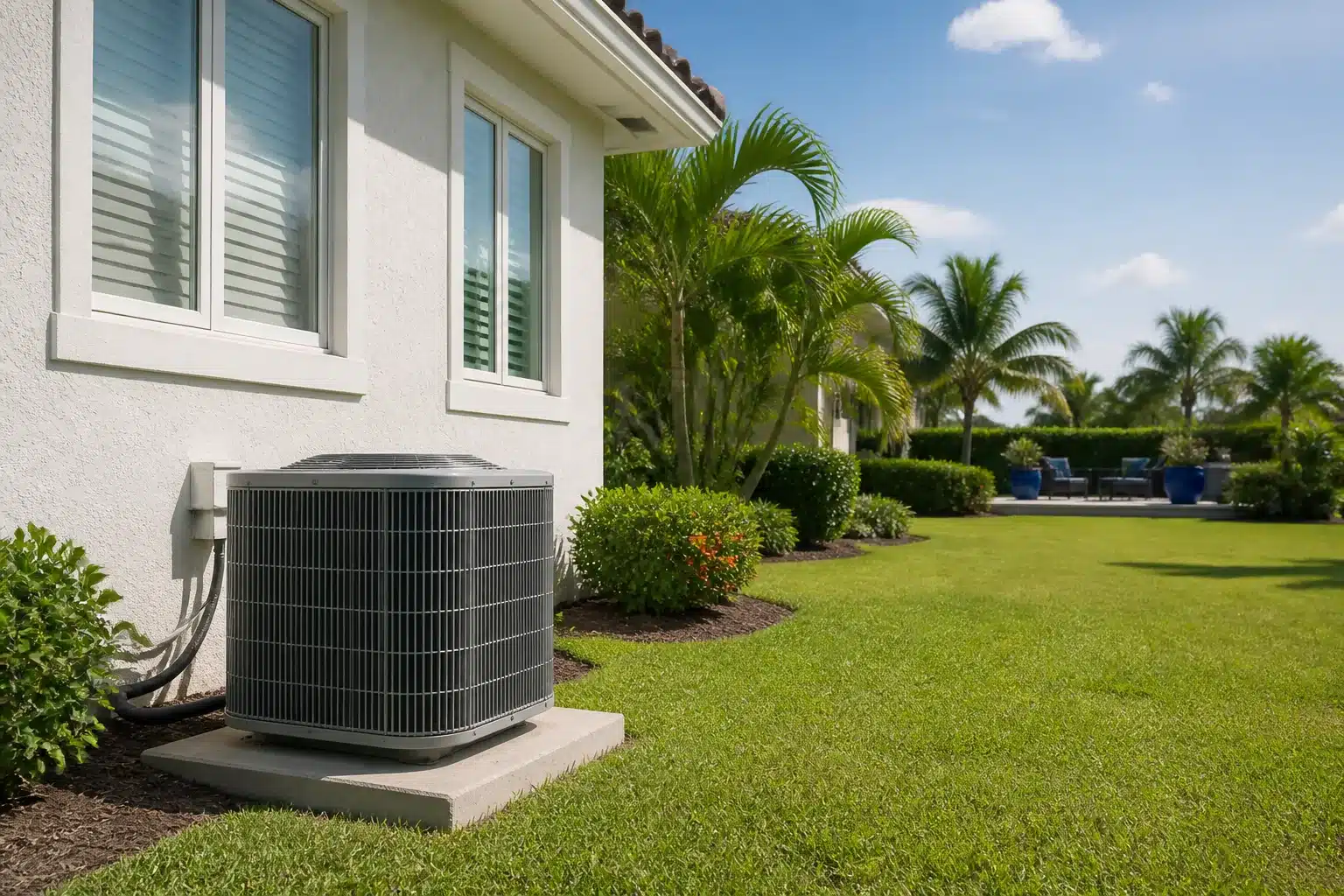
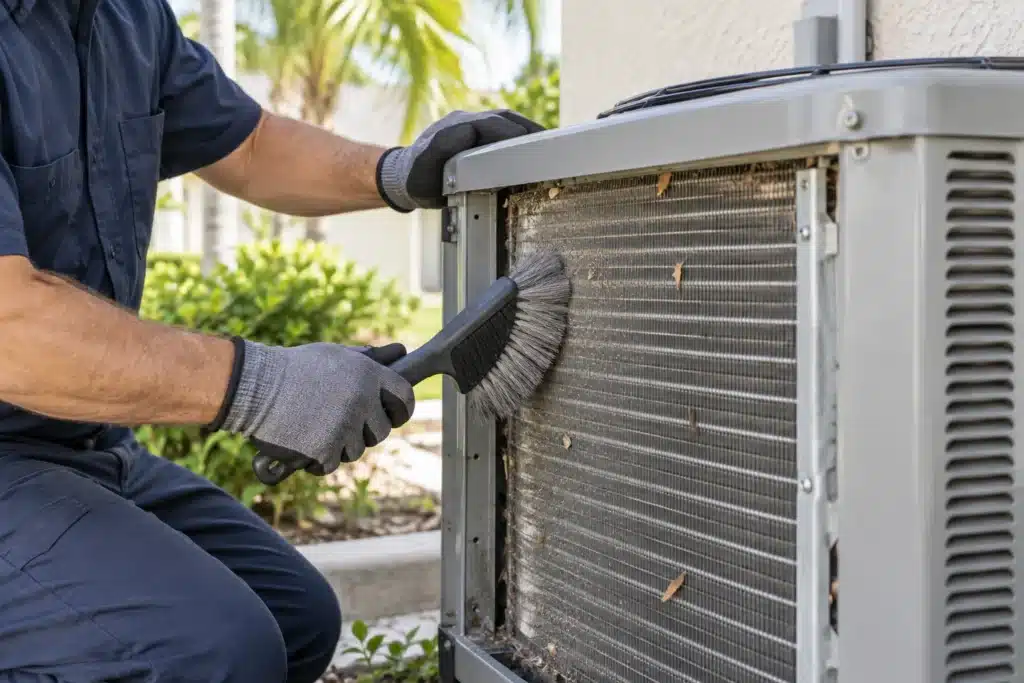
Dust and debris can interfere with heat transfer at the indoor evaporator coil or outdoor condenser coil. A clogged outdoor unit may also have difficulty releasing heat. Coil cleaning should be performed with the right method because bent fins, harsh chemicals, or water near electrical parts can create new problems.
Professional AC maintenance may include reviewing coil condition, airflow, drainage, electrical operation, temperature performance, and other items appropriate to the equipment.
Thermostat Settings, Location, Or Control Problems
Frequent setting changes can keep the AC chasing a moving target. A thermostat exposed to direct sunlight, heat from electronics, or air from a nearby supply vent may not represent the rest of the home accurately. Aging batteries, loose connections, calibration concerns, or control problems may also affect operation.
Use a stable setting that balances comfort and energy use. If the displayed temperature does not match how the surrounding area feels, note the difference and ask for the thermostat and system controls to be checked.
Leaky, Damaged, Or Poorly Routed Ductwork
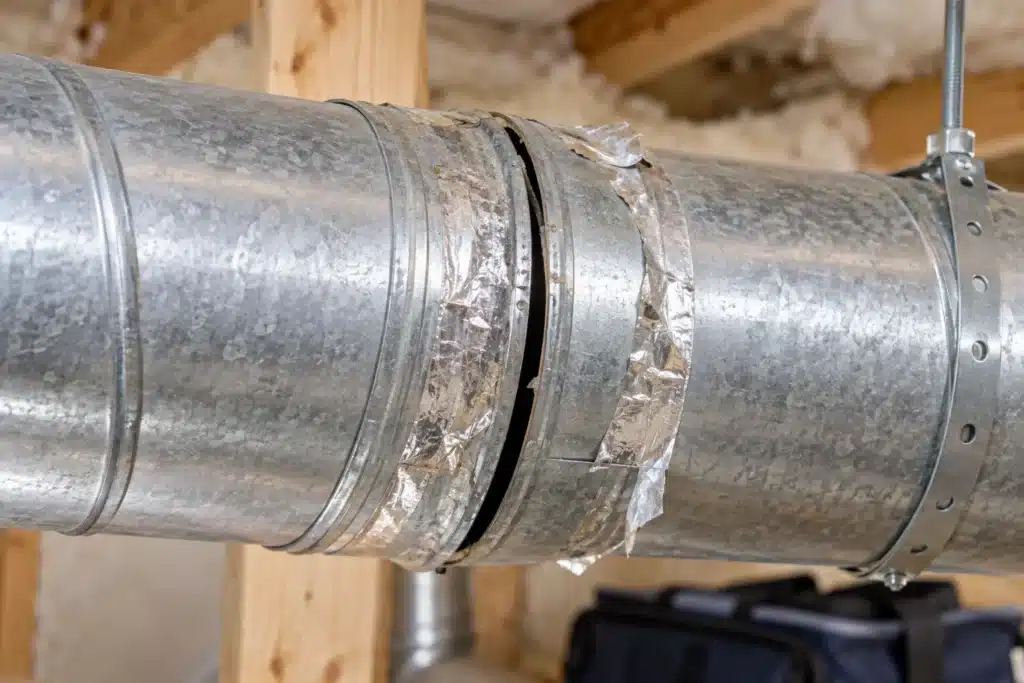
Ducts in a hot attic can waste conditioned air when connections leak, insulation is damaged, or flexible sections are crushed or poorly supported. The AC may be producing cool air while too little of it reaches the rooms. Common clues include weak airflow, hot rooms, dusty areas near grilles, visible duct damage, and long run times.
Some systems need a localized repair or sealing work, while others have wider design or condition problems. Tri-County HVAC's guide to ductwork replacement explains how repair and replacement decisions may differ.
Low Airflow From The Blower System
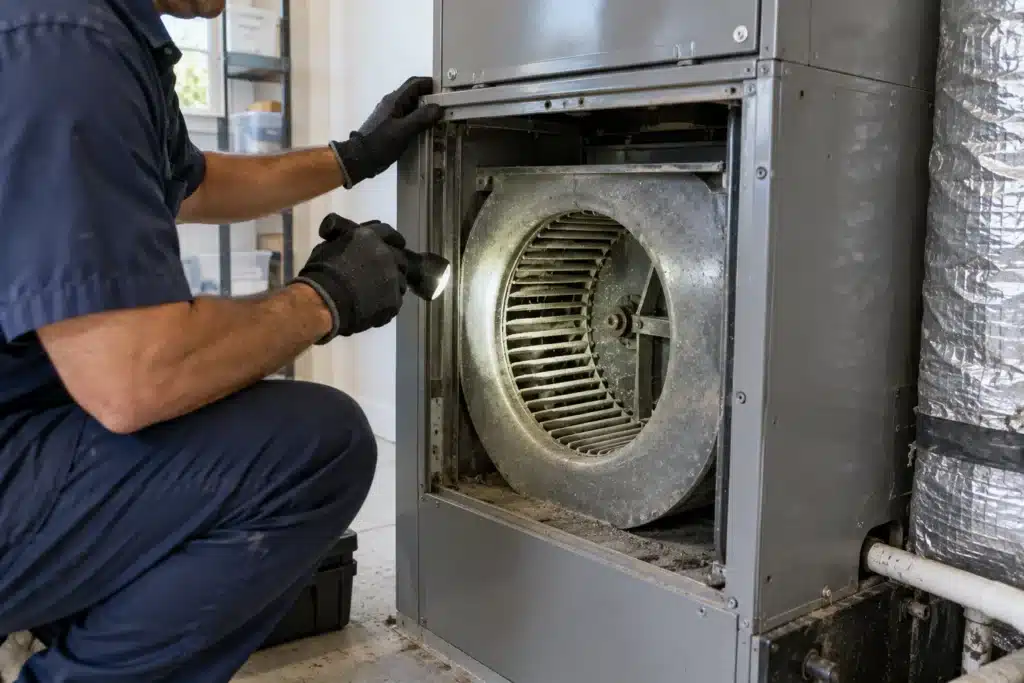
Filter and duct conditions are not the only airflow factors. A dirty blower wheel, motor problem, incorrect speed setting, damaged component, or other equipment concern can reduce air delivery. These items require safe access and testing by a trained technician.
Refrigeration Or Cooling-Performance Concerns
An air conditioner that cannot move heat effectively may run longer without reaching the thermostat setting. Refrigerant-related problems, a dirty coil, a failing component, or another performance issue may be involved. Refrigerant is not a fuel that should need routine topping off. If the charge is incorrect, the underlying reason should be evaluated.
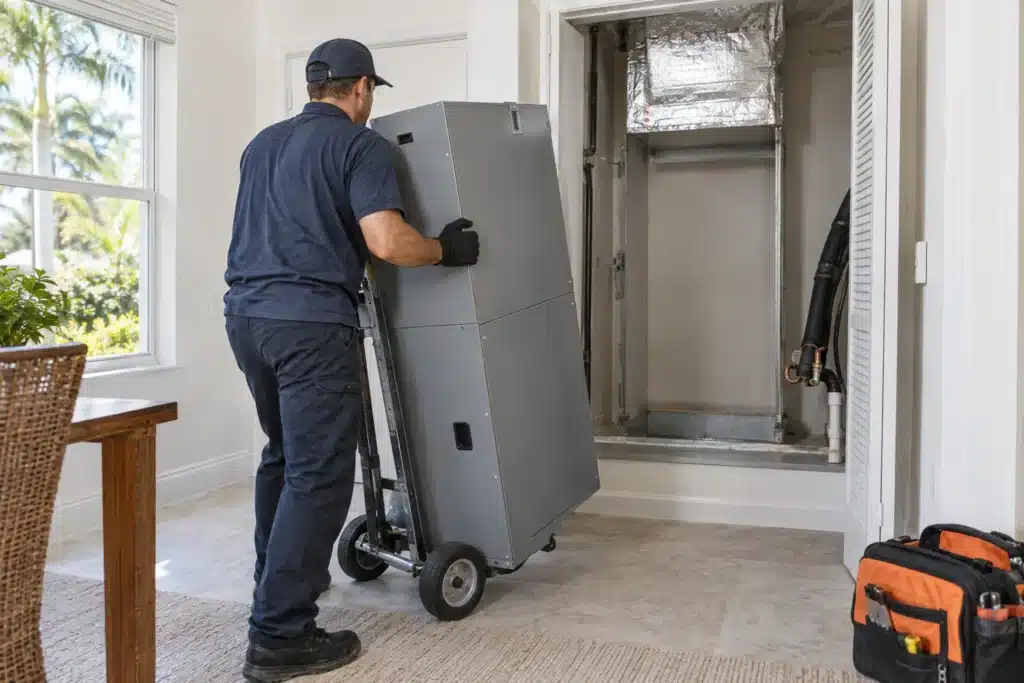
Equipment Size, Installation, Or Age
An undersized system may struggle during peak conditions. An oversized system may cool quickly but cycle too often and manage humidity poorly. Duct design, airflow, installation quality, insulation, windows, orientation, and the home's heat gain all affect performance.
Equipment should not be selected by square footage alone. The article about AC installation sizing explains why a proper load calculation and whole-home review matter.
Older equipment can lose performance as components wear or coils become harder to keep clean, but age alone does not prove that replacement is necessary. Condition, repair history, comfort, efficiency, and installation quality all belong in the decision.
What Homeowners Can Check Safely
You can gather useful information without opening equipment panels or handling electrical and refrigeration components:
- Confirm the thermostat is in cooling mode and review the current setting.
- Check whether the thermostat schedule changed or a long temporary hold is active.
- Inspect the air filter and replace it if dirty, using the correct size and type.
- Make sure accessible return grilles and supply vents are open and unobstructed.
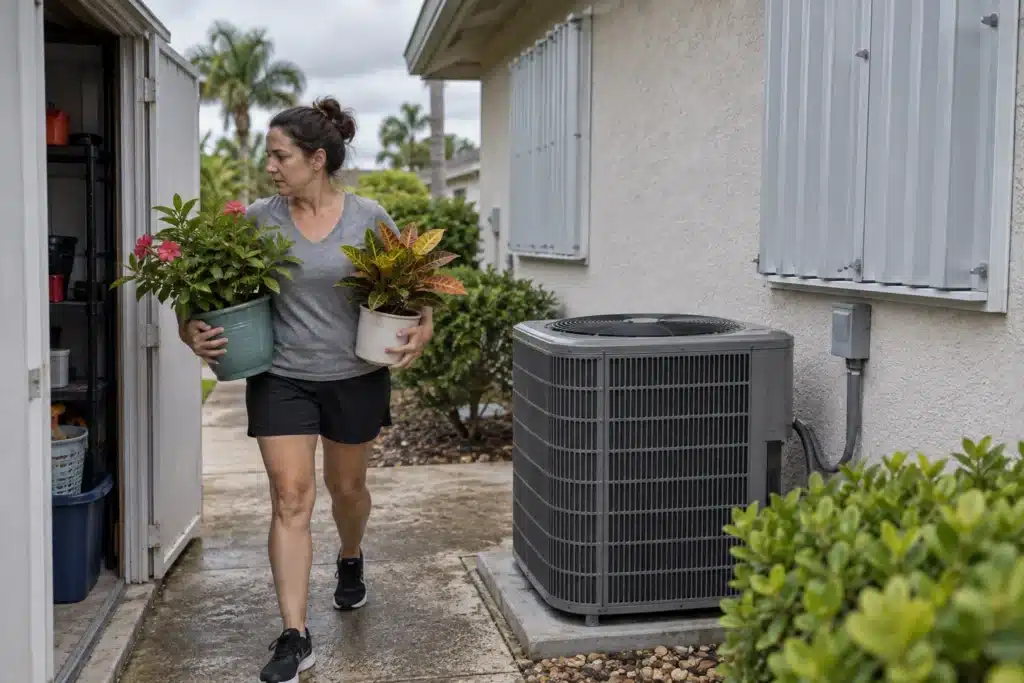
- Look for obvious debris around the outdoor unit without removing its panels.
- Note whether airflow feels weak or certain rooms remain warmer than others.
- Listen for new buzzing, grinding, rattling, or repeated starting and stopping.
- Watch for ice, water near the indoor unit, or a drain pan that appears full.
- Compare energy use, billing days, and weather with a similar prior period.
Do not open energized panels, wash internal components, bend coil fins, add refrigerant, or bypass a drain safety switch. Turn the system off and request service if you smell burning, see smoke or sparks, find significant water near electrical equipment, or notice heavy ice.
What A Professional AC Evaluation May Include
A technician should evaluate the system as a connected whole rather than assuming the highest-cost component is at fault. Depending on the symptoms and equipment, the visit may include:
- Reviewing thermostat settings, operation, and temperature readings
- Checking the filter, return path, supply airflow, and temperature change
- Inspecting accessible indoor and outdoor coil condition
- Reviewing blower operation and visible duct conditions
- Checking condensate drainage and safety controls
- Testing electrical components and system operating cycles
- Evaluating refrigeration performance when symptoms support it
- Comparing equipment capacity and operation with the home's comfort needs
A service visit cannot explain unrelated household electrical use, utility-rate changes, or billing errors. However, it can determine whether the cooling system appears to have a maintenance, airflow, control, duct, or repair concern that may be increasing run time.
Does A Higher Bill Mean You Need A New AC?
No. A High Electric Bill is not enough reason to replace an air conditioner. The cause may be a dirty filter, thermostat change, duct leak, maintenance issue, repairable component, weather pattern, or something outside the HVAC system.
Replacement becomes a more reasonable discussion when equipment has declining performance, frequent repairs, difficult-to-find parts, major component problems, ongoing comfort issues, or energy use that remains high after correctable system and home issues are addressed. The expected repair cost, equipment condition, installation quality, and homeowner plans all matter.
Ask for the findings in plain language. A good evaluation should help you understand what is working, what is not, which correction is recommended, and why. It should not turn one unusual bill into an automatic replacement decision.
Practical Ways To Reduce Unnecessary Cooling Waste
Small habits can support the system without sacrificing reasonable comfort:
- Use a consistent thermostat schedule instead of making frequent large changes.
- Check the filter regularly during periods of heavy cooling.
- Keep returns, vents, and the outdoor unit clear.
- Use blinds or shades to reduce direct afternoon solar heat.
- Run bathroom and kitchen exhaust fans only as long as needed because they remove conditioned air.
- Use ceiling fans in occupied rooms, and turn them off when the room is empty.
- Address door, window, attic, insulation, and air-sealing concerns as part of the whole-home picture.
- Schedule service when cooling performance changes instead of compensating by repeatedly lowering the thermostat.
No single tip guarantees a specific reduction. The best next step depends on how the home uses energy and whether the AC system is operating correctly.
Frequently Asked Questions
Why Did My Electric Bill Suddenly Increase?
Possible reasons include hotter weather, more billing days, rate changes, increased occupancy, new appliance use, a lower thermostat setting, or an HVAC problem. Compare energy consumption and daily use before assuming the AC is responsible.
Is It Normal For An AC To Run For Long Periods In South Florida?
Longer cycles can be normal during hot, humid weather if the system maintains the thermostat setting and the home remains comfortable. Continuous operation with rising indoor temperature, weak airflow, or excess humidity needs attention.
Can A Dirty Air Filter Increase My Electric Bill?
A dirty or overly restrictive filter can reduce airflow and make the system work harder or run longer. Replace a dirty filter with the correct type, but schedule service if weak airflow or poor cooling continues.
Should I Lower The Thermostat If My AC Is Not Keeping Up?
Lowering the setting does not increase the system's cooling capacity. If the home keeps getting warmer, check the filter and vents, then request service rather than continuing to lower the thermostat.
Can Maintenance Lower Every High Electric Bill?
No. Maintenance can correct or identify some HVAC conditions that affect operation, but it cannot change utility rates, weather, household habits, insulation, windows, or unrelated electrical loads. The system and the home should be considered together.
A bill change is a reason to investigate, not a diagnosis. If a High Electric Bill appears alongside longer AC run times, weak airflow, uneven temperatures, excess humidity, or poor cooling, Tri-County HVAC can evaluate the system and explain the available next steps. Call (561) 281-8074 or use the online contact page to request service in Loxahatchee, Palm Beach County, or a nearby South Florida community.