Emergency AC problems can turn a normal South Florida day into a stressful one fast. When the system stops cooling, starts making unusual noises, leaks water, freezes up, or shuts down completely, it is not always clear whether you can wait or need help right away.
That decision matters in Loxahatchee, Palm Beach County, and nearby South Florida communities because heat and humidity can build quickly indoors. A warm home may be uncomfortable for anyone, but it can be especially concerning for children, older adults, pets, people with health conditions, and homes where the AC is the main way to control indoor moisture.
This guide explains what usually counts as an Emergency AC situation, what you can safely check first, what signs should not be ignored, and when to call Tri-County HVAC for professional service.
Table Of Contents
Quick Answer: When Is AC Trouble An Emergency?
AC trouble may be an emergency when the system stops cooling during extreme heat, blows warm air for an extended period, freezes up, leaks water near electrical components, trips breakers repeatedly, makes burning smells, or creates unsafe or uncomfortable indoor conditions. Emergency AC service may also be needed when vulnerable people or pets are affected by rising indoor temperatures.
Not every AC problem is an emergency. A clogged filter, minor thermostat issue, or one warm room may be less urgent if the home is still safe and the system is partly working. But if the home is getting hotter, the system is showing electrical symptoms, or you are worried about damage, it is better to schedule service instead of waiting.
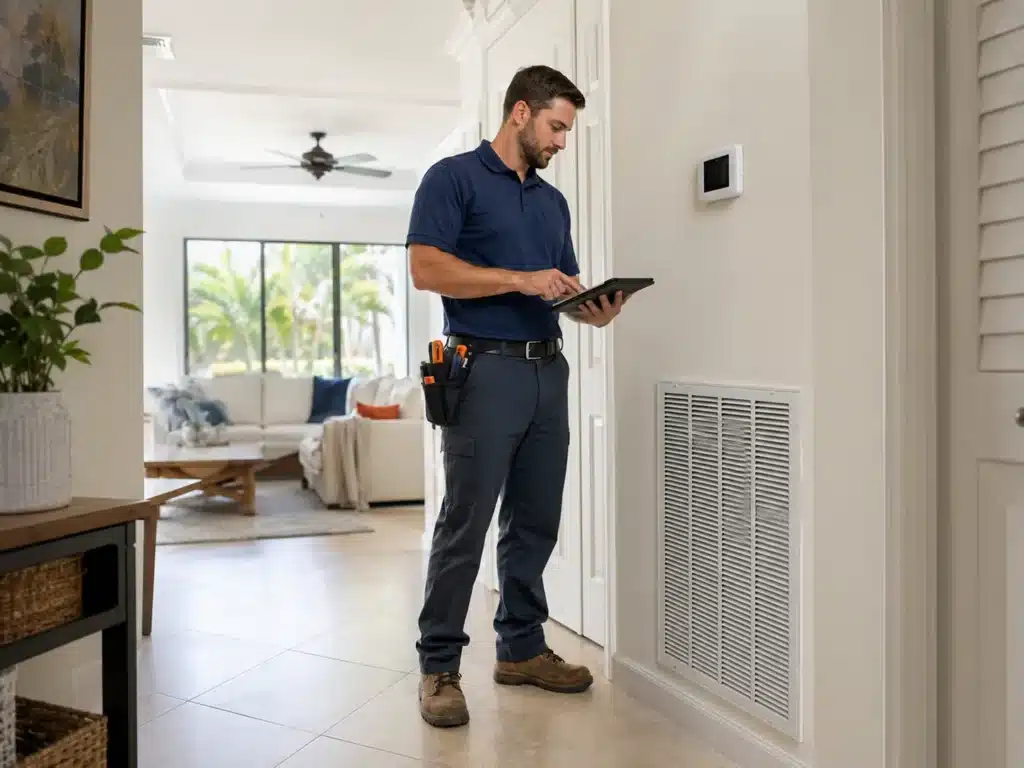
Tri-County HVAC can inspect the system, explain what is happening, and recommend the right next step for AC repair, maintenance, or related HVAC service.
What Counts As An Emergency AC Problem?
An emergency AC issue usually involves more than mild discomfort. It often means the system is not operating safely, the home is becoming too hot or humid, or the problem may create more damage if the system keeps running.
No Cooling During Heavy Heat
If the AC is running but not cooling, or it stops working completely during a hot South Florida day, the situation can become uncomfortable quickly. Heat can build indoors, especially in homes with direct sun exposure, attic heat, poor insulation, or limited ventilation.
If the thermostat keeps climbing and the home is not cooling down, schedule service. You can review a few safe checks first, but do not keep forcing the system to run if it is blowing warm air, freezing, or making unusual sounds.
Warm Air From The Vents
Warm air can come from thermostat settings, airflow problems, outdoor unit issues, frozen coils, refrigerant concerns, or electrical problems. Some causes are simple. Others require professional diagnosis.
If warm air continues after checking the thermostat and filter, professional AC repair may be needed. This is especially true if the system is running constantly but the home keeps getting warmer.
Frozen Coil Or Ice On Refrigerant Lines
Ice on the system is a sign something is wrong. A frozen coil may be tied to restricted airflow, dirty components, blower issues, or refrigerant-related problems. Continuing to run the system normally while it is frozen can increase strain and may make the issue worse.
If you see ice, turn the system off and call for service. A technician can determine why the freeze happened instead of only treating the symptom.
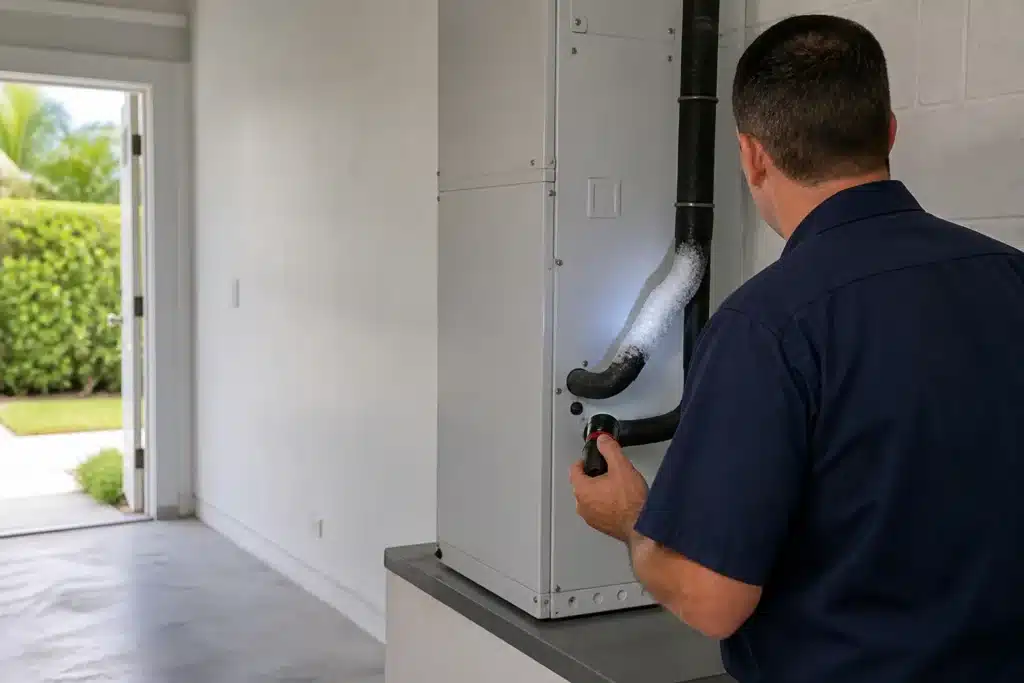
Water Around The Indoor Unit
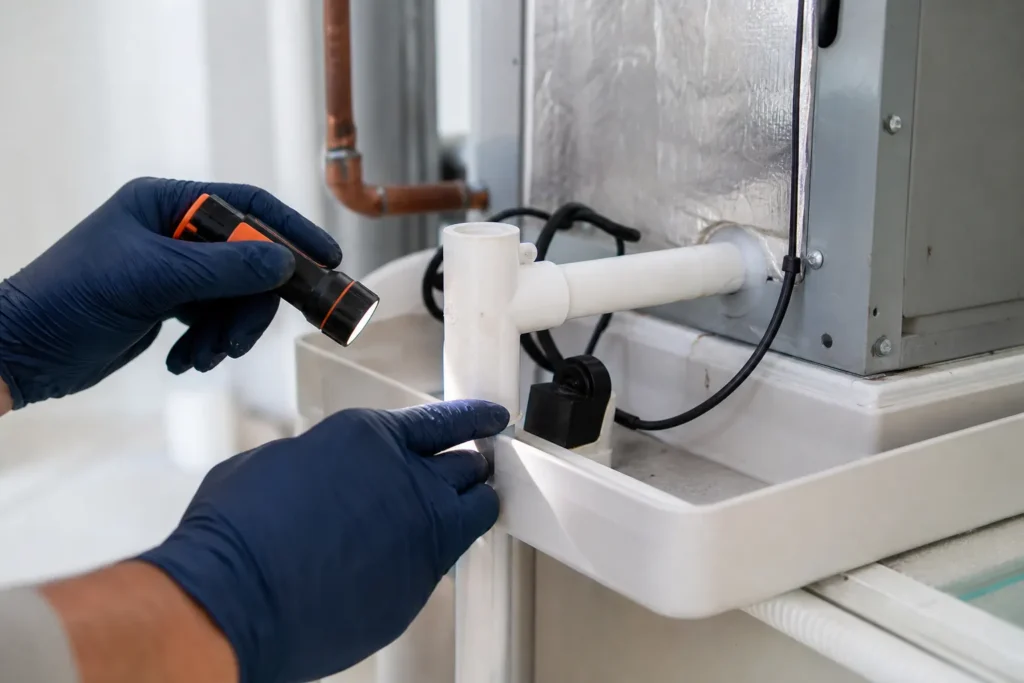
Some condensation is normal as an AC removes moisture from the air, but visible water around the indoor unit deserves attention. It may point to a clogged drain line, pan issue, frozen coil, installation concern, or another moisture problem.
Water near electrical components or flooring should not be ignored. If water is spreading, shut the system off if it is safe to do so and schedule service.
Electrical Symptoms Or Burning Smells
Repeated breaker trips, burning smells, buzzing, sparking, or a system that powers on and off unpredictably can signal electrical concerns. Do not keep resetting a breaker over and over. That may hide a problem rather than solve it.
If you smell burning or see electrical warning signs, shut the system off if safe and call a professional. Electrical issues are not a DIY repair.
Warning Signs You Should Not Ignore
Some AC symptoms may not feel dramatic at first, but they can still point to a problem that should be checked soon. Pay attention to patterns, especially if more than one symptom appears at the same time.
- The system runs constantly but the temperature does not drop
- The house feels hot, sticky, or unusually humid
- Airflow is weak from multiple vents
- The outdoor unit is not running while the indoor blower is on
- The system turns on and off rapidly
- The drain line backs up or water appears near the unit
- Ice forms on the refrigerant line or indoor coil
- Unusual noises start suddenly
- Breakers trip more than once
- The same repair issue keeps coming back
These signs do not all mean the system is failing. They do mean the AC needs attention. A technician can check whether the cause is airflow, refrigerant, electrical, drainage, ductwork, thermostat behavior, or equipment wear.
What You Can Safely Check Before Calling
Before scheduling emergency AC service, there are a few basic checks homeowners can make without opening equipment panels or touching electrical components.
Check The Thermostat
Make sure the system is set to cool, the temperature is set below the current indoor temperature, and the fan is set to auto rather than on if you expect active cooling. If the thermostat has batteries, replace them if needed.
If the thermostat is blank, inaccurate, or not responding, the issue may involve the thermostat, wiring, power, or the HVAC system itself.
Check The Air Filter
A clogged filter can restrict airflow and contribute to poor cooling, frozen coils, and system strain. If the filter is dirty, replace it with the correct size and type. Do not run the system without a filter.
If the system still does not cool after a filter change, the filter was not the only issue.
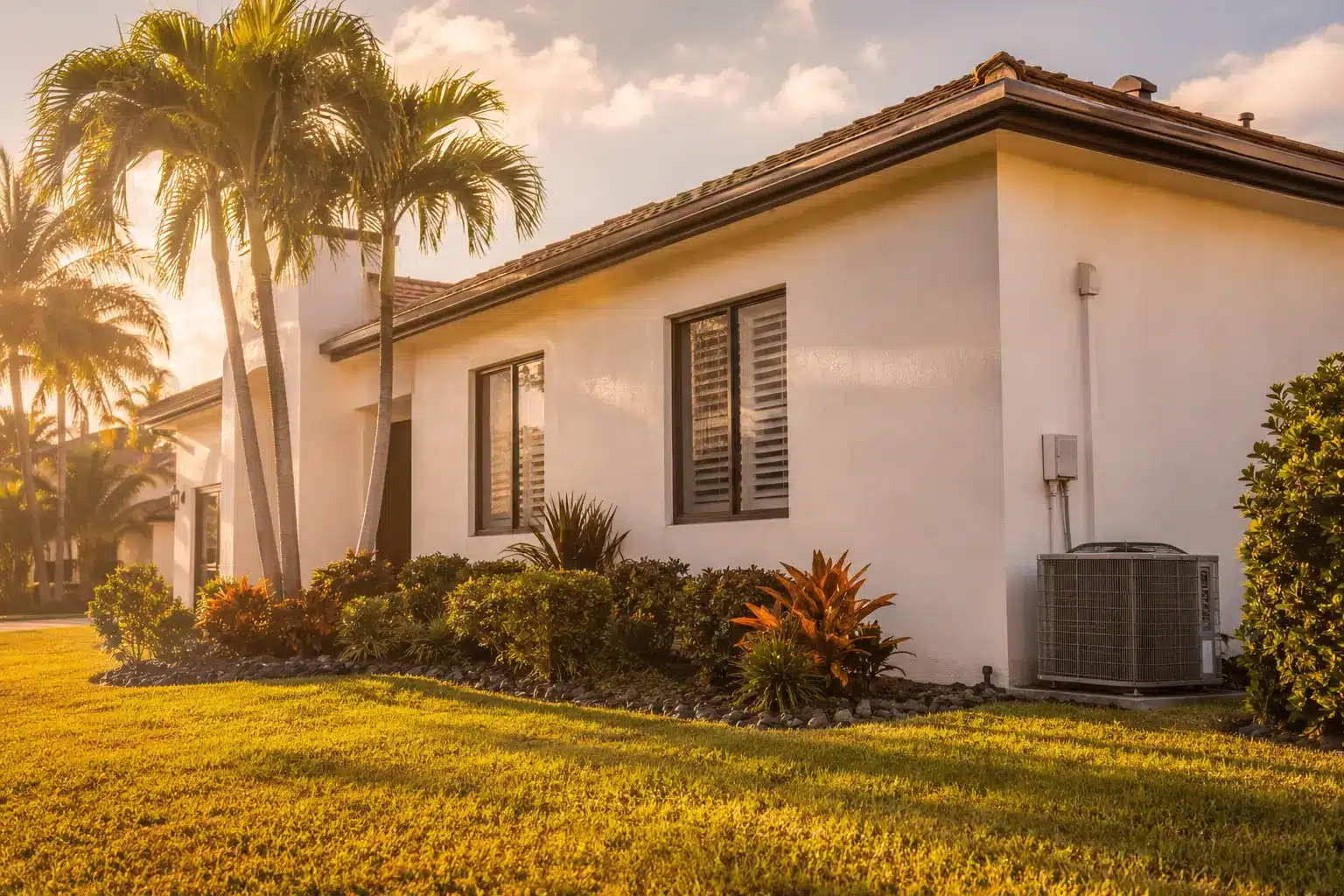
Look At The Outdoor Unit
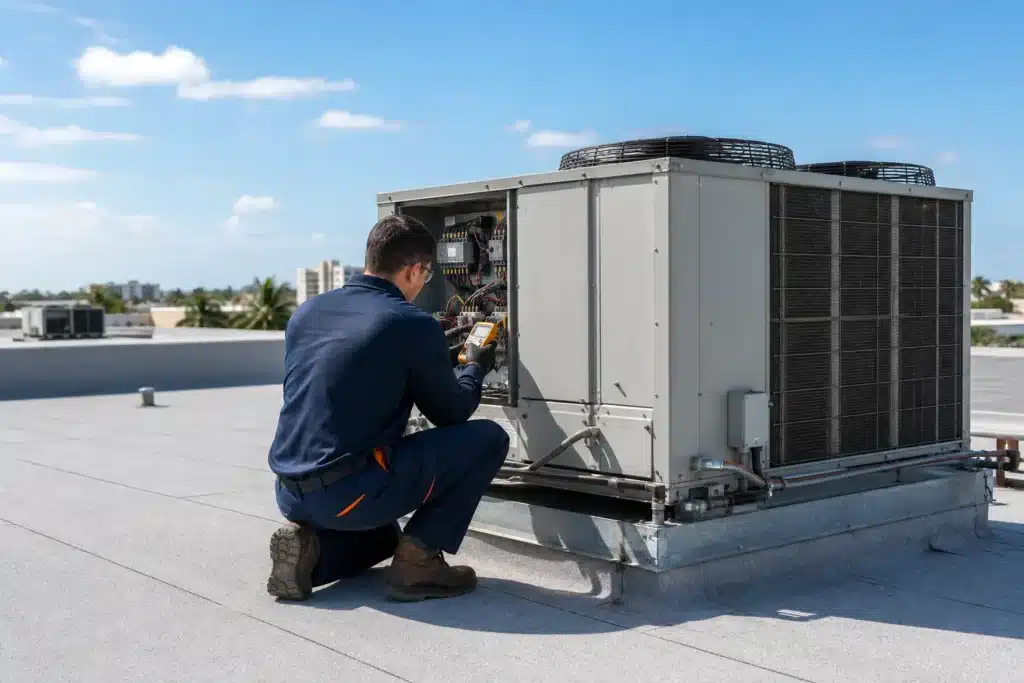
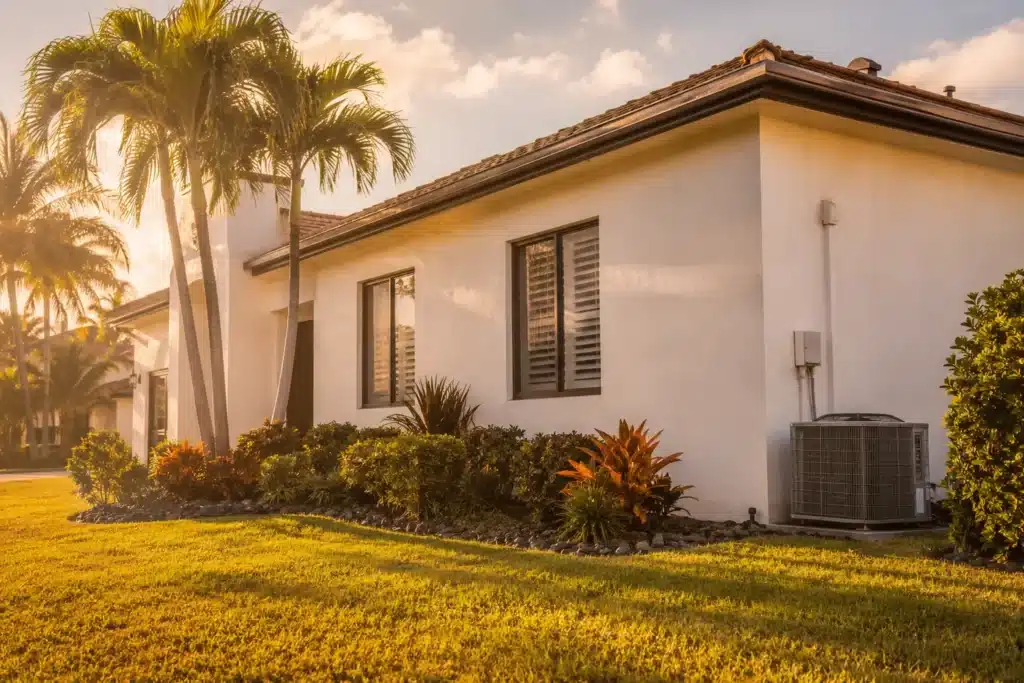
Check whether the outdoor unit is running and whether leaves, grass clippings, storage items, or overgrown landscaping are blocking airflow. You can clear loose debris around the unit if it is safe.
Do not open panels, touch wiring, or spray electrical components. If the outdoor unit is silent, buzzing, or struggling to start, schedule service.
Look For Water Or Ice
Water around the indoor unit, ice on lines, or a frozen coil should be treated carefully. Turn the system off if needed and call for help. Do not chip ice off the equipment or keep lowering the thermostat to force cooling.
Why South Florida AC Problems Can Escalate Quickly
South Florida AC systems work hard for much of the year. Long cooling seasons, humid nights, afternoon heat, storms, and heavy daily run times can expose small problems faster than in milder climates.
A minor airflow restriction may become a comfort issue during a heat wave. A dirty coil may make moisture removal worse. A weak capacitor or electrical component may struggle when the system is under heavy demand. A drain issue may show up faster because the system is removing so much moisture from the air.
That is why waiting is not always the best choice. If the system is showing warning signs and the home is getting hotter or more humid, scheduling service early may help prevent a bigger repair, more discomfort, or unnecessary system strain.
Emergency Repair Does Not Always Mean Replacement
Many homeowners worry that an emergency AC call automatically means they need a new system. Sometimes replacement may be discussed, especially if the equipment is older, inefficient, repeatedly breaking down, or facing a major repair. But many problems can be diagnosed and repaired without replacing the entire system.
The right recommendation depends on the cause of the issue, system age, repair history, condition of major components, refrigerant type, and how well the equipment fits the home. For example, a dirty filter and frozen coil is a different conversation than repeated compressor failure or a severely leaking older system.
A professional technician can explain whether the problem looks like a repair issue, maintenance issue, ductwork issue, or a larger system performance concern. If replacement becomes part of the conversation, it should be based on the system's condition and your goals, not pressure.
Tri-County HVAC also offers AC installation support when a system truly needs to be replaced or upgraded.
How Maintenance Helps Reduce Emergency Calls
No maintenance visit can prevent every repair, but routine service can reduce the chance of surprise breakdowns. Preventative maintenance gives a technician a chance to inspect the system, clean key components, check airflow, look for drainage issues, and catch visible warning signs before they become more urgent.
Regular AC maintenance is especially useful in South Florida because the system may run through long periods of heat and humidity. Filters get dirty, drain lines can clog, coils can collect buildup, and parts can wear from constant use.
If your AC has needed multiple emergency visits, maintenance can also help create a clearer picture of the system's condition. That makes future decisions easier, whether the next step is repair, cleaning, ductwork review, or planning ahead for replacement.
When To Call Tri-County HVAC
Call Tri-County HVAC when your AC stops cooling, blows warm air, freezes up, leaks water, trips breakers, makes unusual noises, or cannot keep your home comfortable. You should also call if you are unsure whether the system is safe to keep running.
Tri-County HVAC serves Loxahatchee, Palm Beach County, and surrounding South Florida communities with AC repair, maintenance, installation, ductwork, and indoor air quality support. The goal is to diagnose the issue clearly, explain the options, and help restore comfort without guesswork.
If you need Emergency AC service or urgent AC repair, call (561) 281-8074 or request service through the contact page.
FAQs About Emergency AC Repair
What counts as an Emergency AC problem?
An Emergency AC problem usually involves no cooling during extreme heat, warm air from the vents, ice on the system, water around the indoor unit, repeated breaker trips, burning smells, or unsafe indoor conditions.
Should I turn off my AC if it is not cooling?
If the system is blowing warm air, frozen, leaking water, making unusual noises, or showing electrical symptoms, turning it off can help prevent more strain while you wait for service. If you are unsure, call a technician.
Can a clogged filter cause an emergency AC issue?
A clogged filter can restrict airflow, reduce cooling, contribute to frozen coils, and strain the system. Replacing the filter may help, but if the system still does not cool, professional service may be needed.
Is warm air from the vents always a major repair?
Not always. Warm air can come from thermostat settings, airflow restrictions, outdoor unit problems, refrigerant-related concerns, or electrical issues. A technician can identify the cause before recommending a repair.
How can I reduce surprise AC breakdowns?
Change filters regularly, keep vents and returns clear, keep the outdoor unit free from debris, pay attention to unusual sounds or water, and schedule preventative maintenance before peak cooling demand.