Two AC replacement quotes can look similar at first glance: a brand name, an efficiency rating, and a total price. Then you notice that one includes an indoor air handler, another says “existing ducts,” and neither explains what happens if the installation needs extra work.
That makes a major home decision harder than it needs to be. Before choosing a proposal, compare the equipment, installation scope, and follow-up support in writing. A lower total may reflect a smaller job, while a higher total may include work your home actually needs.
For homeowners in Loxahatchee and Palm Beach County, the goal is a system that fits the house and handles everyday cooling demands. This guide explains what to look for in an AC Replacement quote, which questions to ask, and how to make the proposals easier to compare.
Table of Contents
Confirm Which Equipment Is Included
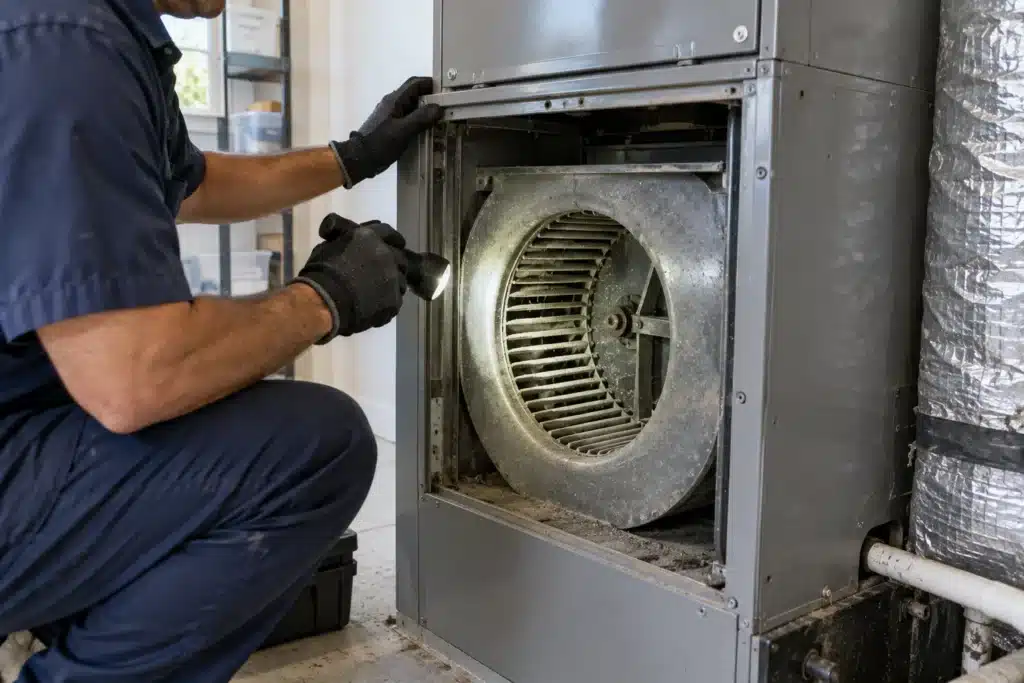
Start with the actual equipment list. “New AC system” is too broad to tell you what will be replaced. A typical ducted split system has equipment outside and components inside, and proposals can differ in how much of that system they cover.
Ask for the manufacturer and model numbers of the proposed outdoor unit and indoor equipment. Confirm whether the quote includes the complete air handler, an indoor coil, a thermostat, and any controls needed for the selected system. If something stays, have the contractor identify it.
Compare the complete system, not just the outdoor unit
Ask how the indoor and outdoor components will be matched and what documentation confirms the proposed combination's performance. A familiar brand name alone does not explain whether two quotes describe equivalent equipment.
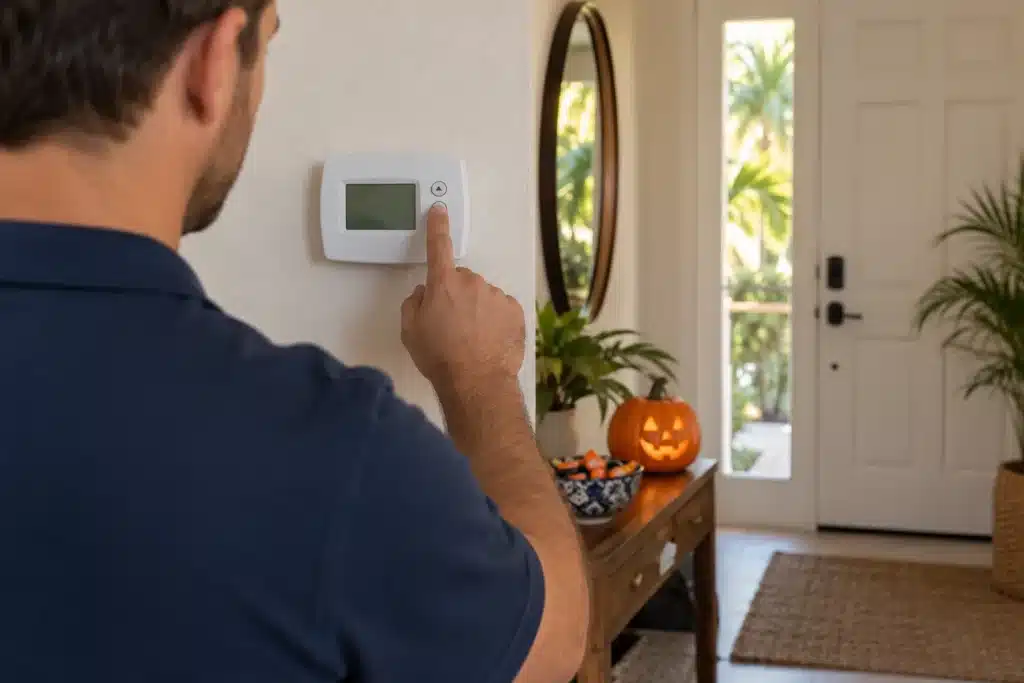
Also confirm whether you are comparing cooling-only equipment or a heat pump that provides cooling and heating. Ask which thermostat functions are included and whether your existing thermostat can support the proposed system. These details can change the equipment and installation scope.
Put efficiency claims in context
If a proposal lists SEER2, ask for the rating of the complete proposed system combination. SEER2 is a seasonal cooling efficiency rating, not a prediction of your next electric bill. Comparing the same rating type across proposals is more useful than comparing a new rating with an older label using a different test method.
Actual operating costs also depend on your home, usage, weather, and installation. Ask the contractor to explain any savings estimate and its assumptions rather than treating a percentage in a sales conversation as a guaranteed result.
Ask How the Proposal Accounts for Your Home
A replacement proposal should explain why the equipment is appropriate for your house. The old unit's capacity is useful background, but changes to windows, insulation, additions, or room use may affect today's cooling needs.
Tell the contractor about rooms that stay warm, noticeable humidity, recent renovations, and any comfort problems the existing system never resolved. A replacement is an opportunity to discuss those concerns before equipment is selected.
ENERGY STAR's heat-pump buying guidance recommends verifying equipment size through a Manual J load calculation. This calculation estimates the home's heating and cooling requirements. Ask what sizing assessment supports your proposal and whether a written result is available.
You do not need to perform the calculation yourself. You do need an explanation beyond “this is what was there before.” For more detail on that decision, see Tri-County's guide to proper AC installation sizing.
South Florida humidity also deserves a specific conversation. Ask how the proposed equipment, airflow settings, and controls address moisture removal. If one proposal recommends upgraded controls or additional equipment, ask what observed condition supports that recommendation and whether it is optional.
Understand the Ductwork Scope
New equipment still depends on the duct system to move air through the house. A quote that says “connect to existing ductwork” should prompt a follow-up question: what has been checked, and what work does that phrase include?
Ask whether the proposal includes a duct inspection, airflow assessment, connection repairs, or changes near the air handler. Find out whether any return-air changes are recommended and whether they appear in the total.
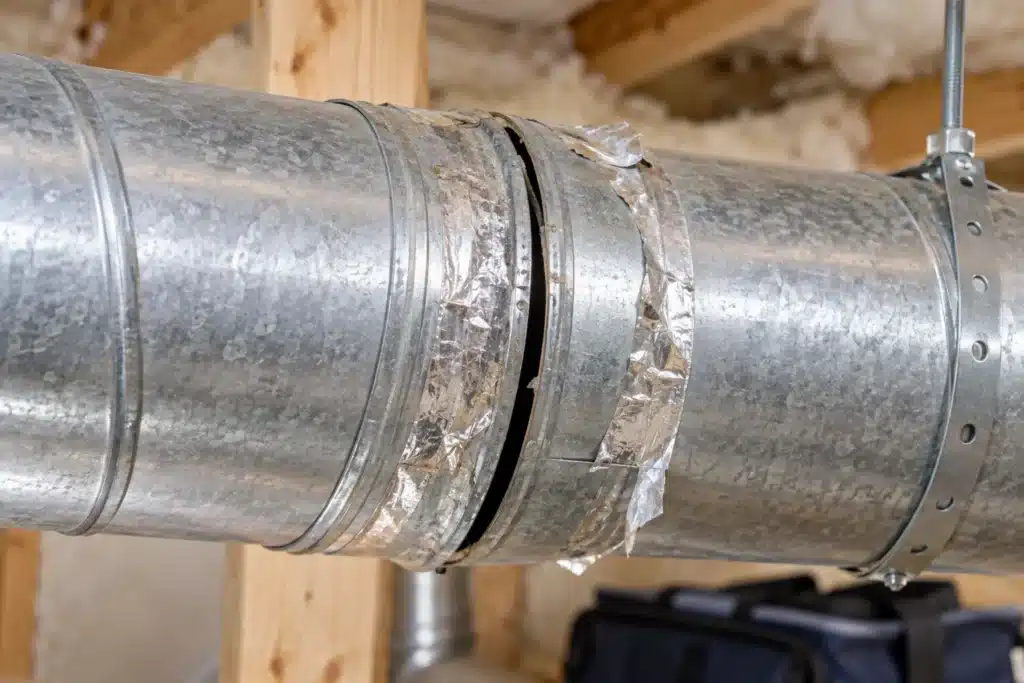
Duct replacement is a separate decision that should be supported by the condition and layout of your system. A proposal should explain why a repair, modification, or replacement is being recommended. If a contractor finds a damaged section, ask where it is and how the proposed work addresses it.
If the contractor cannot fully evaluate an attic or concealed area during the estimate, request a clear explanation of what remains unverified. Ask how additional findings would be documented and approved. That is more useful than assuming “existing ductwork” means every duct has been inspected.
Tri-County's ductwork replacement service is relevant when inspection identifies duct problems that need more than an equipment swap.
Check the Installation Work and Access Plan
The equipment price is only part of an installation. Ask which connections, supporting materials, removal work, and site preparation are included. This is often where two otherwise similar quotes differ.
Indoor equipment location and access
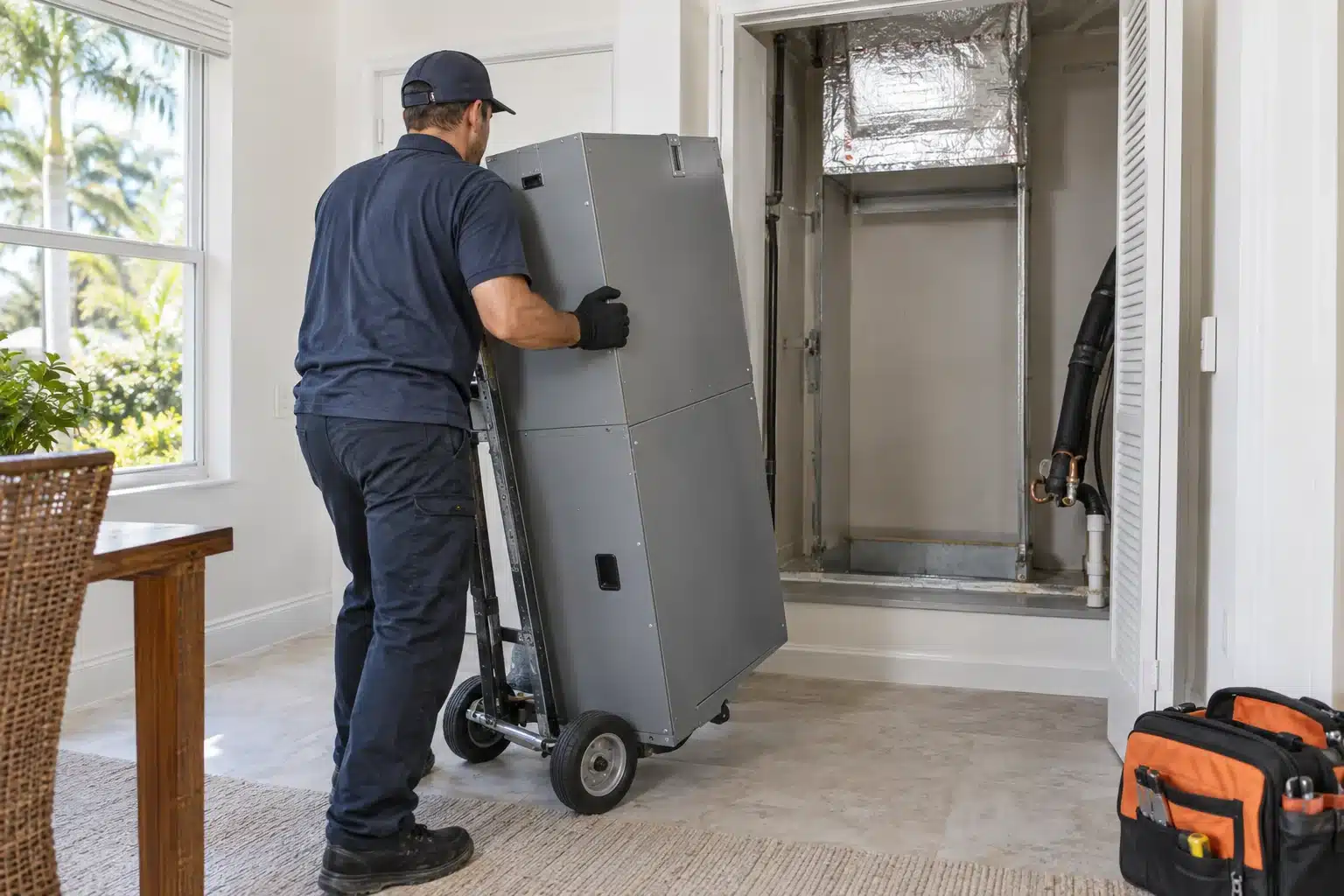
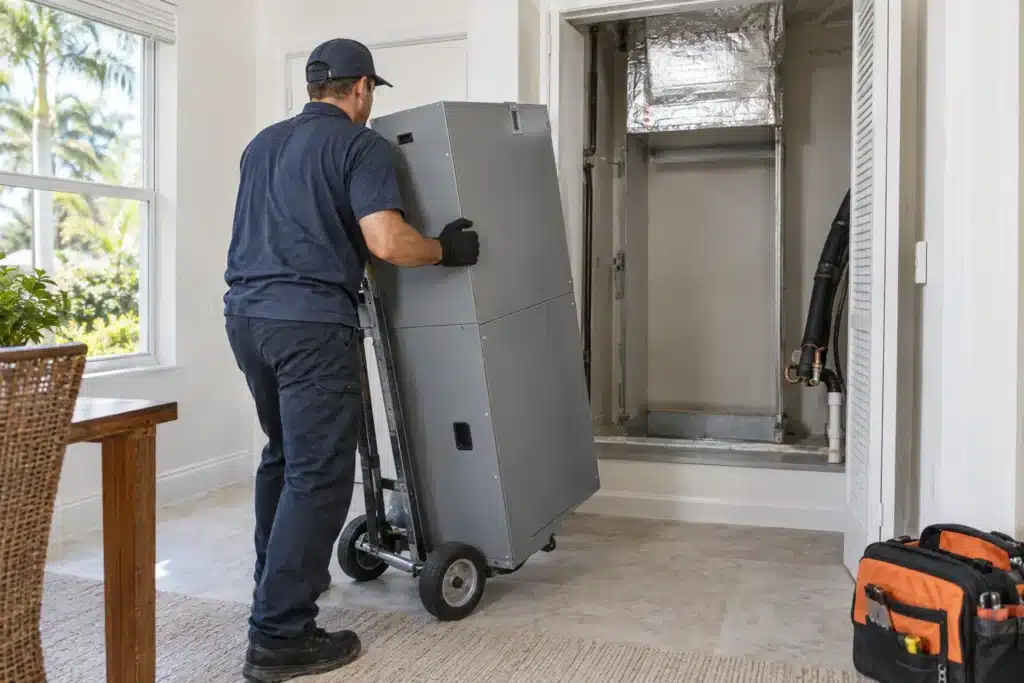
If the air handler is in a utility closet, garage, or attic, ask how the replacement will fit and how the crew will reach it. Confirm whether the proposal includes changes to the duct connection, drain arrangement, equipment support, or surrounding access area.
Ask who handles any necessary opening, trim removal, patching, or painting. Those tasks may involve another trade or be excluded from the HVAC proposal. Get that distinction in writing before installation day.
Clear the agreed work path and move stored belongings before the crew arrives. Keep children and pets away from the work area. Leave equipment disconnection, electrical work, and refrigerant handling to qualified professionals.
Outdoor placement and existing connections
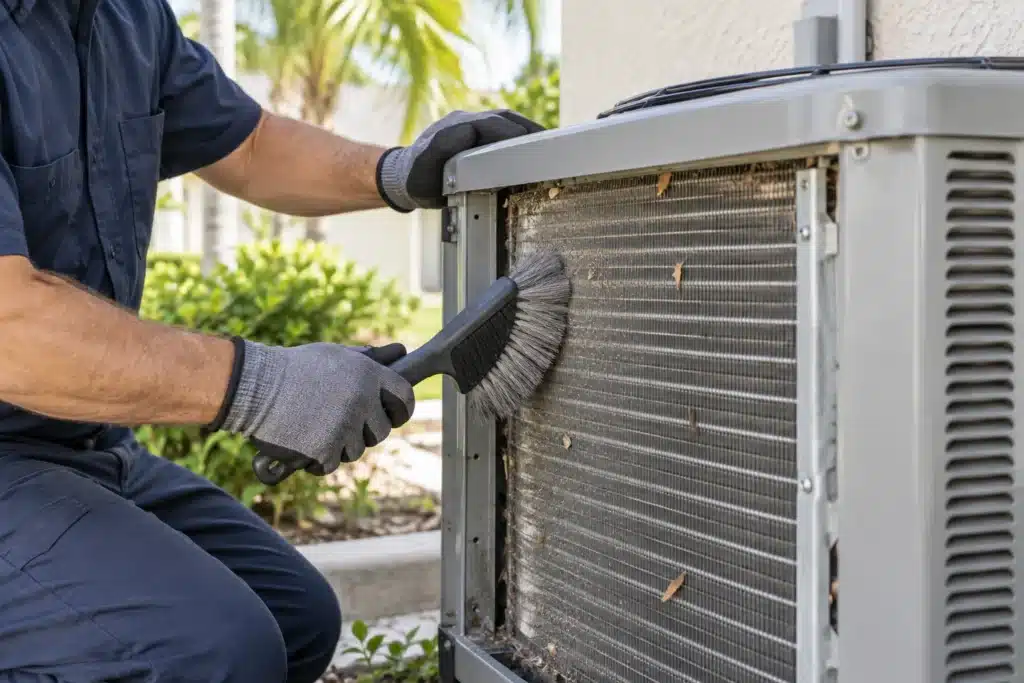
Ask whether the outdoor unit will stay in its current location and whether the support pad or mounting arrangement needs attention. The contractor should explain any placement changes and how required airflow and service access will be maintained.
The refrigerant lines, electrical connections, and condensate drain deserve separate scope questions. Will existing components be reused, repaired, or replaced? What assessment supports reuse? If additional work becomes necessary, how will you receive and approve the revised cost?
Confirm who is responsible for any required permits and inspections, whether related fees are included, and who coordinates the process. Requirements depend on the project and local jurisdiction, so the proposal should address your installation specifically.
Ask About Startup Testing and Handover
An installation should include checking the system's operation after the equipment is connected. Ask what startup checks are planned, who performs them, and what information you will receive afterward.
ENERGY STAR's quality-installation guidance identifies equipment sizing, airflow, refrigerant charge, and duct evaluation as important installation considerations. Ask how the contractor addresses those items for your system.
Useful handover questions include whether the crew will check cooling operation, thermostat functions, and condensate drainage. Ask whether startup measurements or a completion record will be available. You are looking for an understandable explanation of how operation was verified.
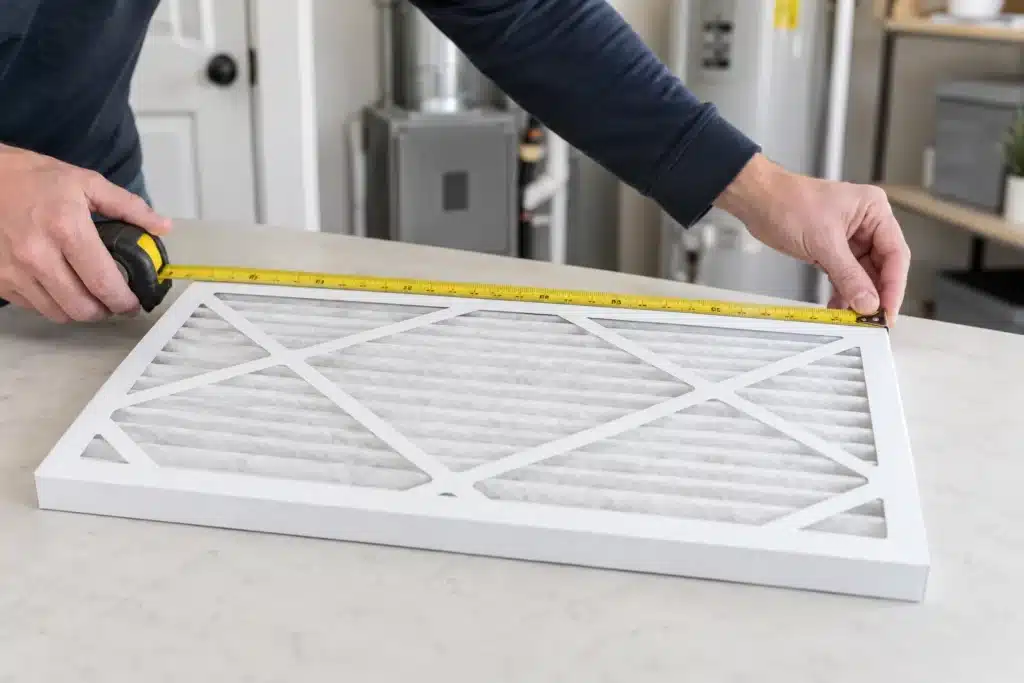
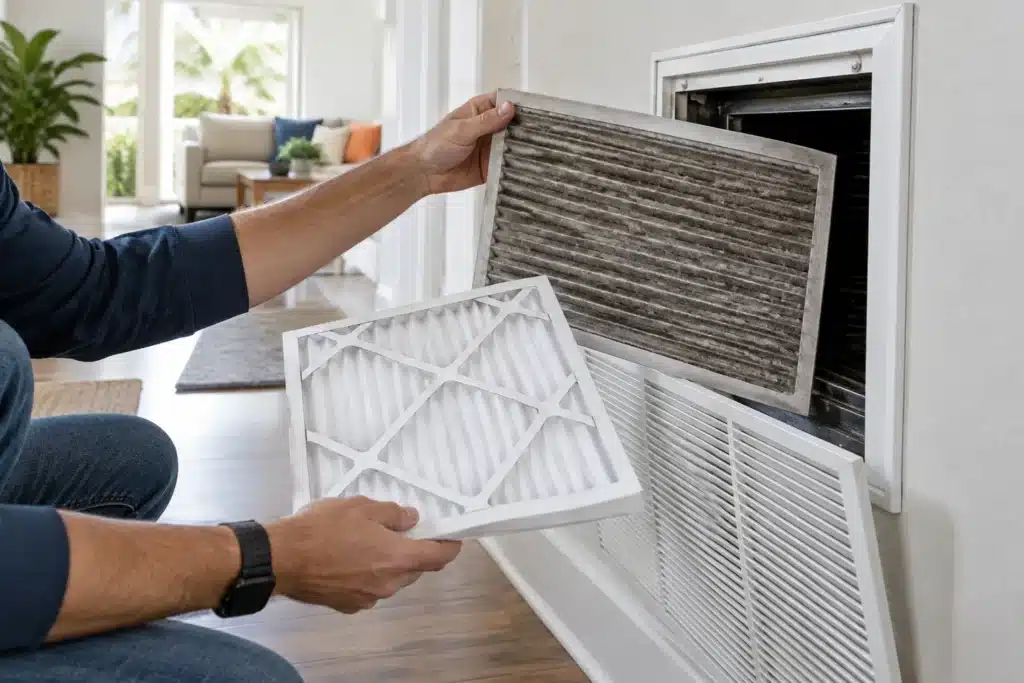
Before the crew leaves, have someone show you the filter location, replacement instructions, thermostat basics, and any homeowner maintenance steps. Keep equipment manuals, model and serial numbers, warranty information, and the final invoice together.
Ask how to report a concern after installation and what the follow-up process includes. A clear contact path helps if you later notice a warm room, unexpected noise, or moisture near the equipment.
Compare Warranties, Exclusions, and Payment Terms
A warranty line can sound reassuring while leaving important questions unanswered. Separate manufacturer parts coverage from contractor labor coverage, then read the actual terms for each.
Ask what is covered, how long the coverage lasts, whether registration is required, and who completes it. Confirm any maintenance requirements and what charges may still apply during a service visit. Do not assume a parts warranty covers diagnosis, labor, or every related expense.
Request a written list of exclusions. Common questions to clarify include duct repairs, electrical upgrades, drain changes, difficult access, cosmetic restoration, and removal of old equipment. These items are comparison prompts, not a statement that every replacement needs them.
Review the deposit, payment schedule, quote expiration date, and process for approving changes. If financing is offered, examine the actual written terms separately. Keep estimated incentives separate from the installation total until eligibility and availability are confirmed.
Finally, ask what could change the timeline: equipment availability, required site work, inspections, or newly discovered conditions. If cooling will be interrupted, discuss the expected work sequence and your household's needs before choosing a date.
Use a Simple Quote-Comparison Checklist
Put the proposals next to each other and mark each item as included, excluded, optional, or unclear. An unclear item is a question to resolve before signing.
- Equipment: outdoor and indoor model numbers, system type, capacity, efficiency rating, thermostat, and controls.
- Home assessment: sizing basis, comfort concerns, and humidity discussion.
- Ductwork: evaluation, connections, planned modifications, and unresolved conditions.
- Installation: access, support, refrigerant lines, drainage, electrical scope, removal, and restoration.
- Administration: permit responsibility, inspection coordination, fees, and timing.
- Completion: startup checks, homeowner orientation, documentation, and follow-up contact.
- Terms: parts and labor coverage, exclusions, payment schedule, and change approval.
For example, one proposal may include a new air handler and a duct connection modification while another replaces only the outdoor unit. Their totals do not describe the same job. Ask each contractor to clarify the scope before deciding what the difference in price means.
A shorter proposal is not automatically a poor proposal, and a longer one is not automatically better. The useful test is whether you can understand what you are buying and why the work is recommended.
Talk Through Your Replacement With Tri-County HVAC
If you are planning an AC replacement in Loxahatchee or Palm Beach County, start with your home's current equipment and comfort concerns. Bring any available service history and a list of questions about installation scope.
Tri-County HVAC provides AC installation services for local homeowners. Call (561) 281-8074, contact the team, or schedule service online to discuss your home and next steps.
Frequently Asked Questions
Should I choose the lowest AC replacement quote?
Compare equivalent equipment and scope first. A lower price may cover less work, while a higher price may include items you do not need. Resolve unclear inclusions, exclusions, and warranty terms before choosing.
Does a replacement always require new ductwork?
No. The decision depends on duct condition, layout, and compatibility with the proposed system. Ask what was inspected and what evidence supports any recommended repair or replacement.
Can I replace only the outdoor AC unit?
That requires a professional assessment of the existing indoor equipment and the proposed combination. Ask whether the components are compatible and what performance documentation is available. Do not assume that keeping older indoor equipment is suitable simply because it still runs.
What if I am unsure whether replacement is necessary?
Request a diagnosis and discuss repair options before committing to a replacement proposal. Tri-County's AC repair versus replacement guide covers that earlier decision.
How do I care for the new system?
Follow the equipment instructions and ask the installer about filter checks and professional service intervals for your usage. Tri-County's preventative AC maintenance service can support ongoing system care.
Make the Scope Clear Before You Decide
A useful replacement quote connects the proposed equipment to your home and explains the installation work, testing, and support. Once those details are clear, you can compare prices with a better understanding of what each proposal actually delivers.