AC Noises can be easy to ignore at first. The system still runs, cool air reaches the rooms, and the sound may disappear before you locate it. In a South Florida home, however, a new buzz, rattle, squeal, or hiss deserves attention.
Not every sound means a major repair. Air conditioners normally hum while running and click as controls operate. The important question is whether the noise is new, unusually loud, continuous, or paired with weak cooling, ice, water, or an electrical smell.
This guide explains what several common sounds may mean, what you can check safely, and when it is better to turn the system off and request professional service.
Table Of Contents
Quick Answer: When Should You Worry About AC Noises?
Pay attention when a sound is new, gets louder, repeats throughout the cooling cycle, or comes with a performance change. Metallic grinding, violent shaking, smoke, sparks, a burning odor, or repeated breaker trips calls for an immediate shutdown and professional help. A softer rattle or whistle still deserves investigation if it continues.
The sound alone usually cannot identify the failed part. Buzzing and rattling can each come from several electrical or mechanical conditions. A technician needs to locate the sound and test the system before recommending a repair.
If your system is making an unfamiliar noise and cooling has changed, arrange professional AC repair rather than waiting for a complete breakdown.
Which Air Conditioner Sounds May Be Normal?
A central air conditioner is not silent. The indoor blower moves air, the outdoor fan and compressor operate during cooling, and controls switch components on and off. A steady low hum, airflow at a supply vent, and one or two clicks at the beginning or end of a cycle may be normal.
Variable-speed equipment may gradually become louder or quieter as operating speed changes. Ducts can make an occasional light tick as sheet metal responds to temperature or pressure changes. The owner's manual may identify other normal sounds for a specific model. History matters: a sharp new sound from a previously quiet system is more concerning than one that has remained mild and consistent since installation.
How To Describe The Sound Before Calling For Service
A useful description can help a technician narrow the inspection. Note what you can observe without opening a cabinet or touching the equipment:
- Does it come from a vent, return grille, indoor air handler, or outdoor unit?
- Does it happen at startup, during the entire cycle, at shutdown, or while the system is off?
- Is the sound steady, rhythmic, intermittent, or becoming louder?
- Does cooling, airflow, humidity, or cycle length seem different?
- Do you see water, ice, unusual vibration, debris, or a fan that is not turning?
- Did it begin after a filter change, storm, power interruption, or service visit?
A short recording made from a safe distance can be helpful when the sound comes and goes. Do not place a phone, hand, or tool through a grille or near a moving fan to capture it.
What Different AC Noises May Mean
These common possibilities are starting points, not diagnoses. Similar sounds can travel through ductwork and walls, which makes the apparent source misleading.
Buzzing Or An Unusually Loud Hum
A normal electrical hum is generally soft and consistent. A new loud buzz may be associated with a contactor, capacitor, motor, compressor, loose electrical connection, or a component that is not starting correctly. Outdoor debris touching the cabinet can also create a buzzing vibration.
Electrical parts can retain dangerous energy even after the thermostat is turned off. Do not remove a panel or attempt to test a capacitor. If the unit hums loudly while a fan does not turn, shut the system off and schedule service.
Rattling Or Shaking
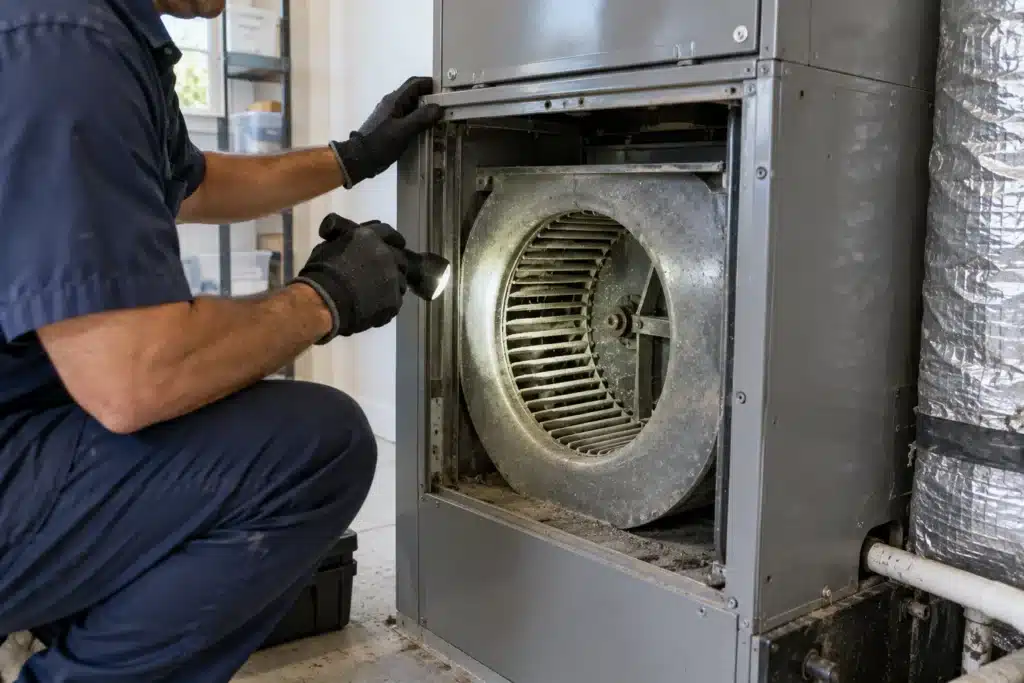
A light rattle can come from a loose access panel, fastener, grille, or object near the equipment. More pronounced rattling may involve a fan, blower wheel, motor, compressor, or mounting problem. A cabinet that is no longer level may also vibrate differently.
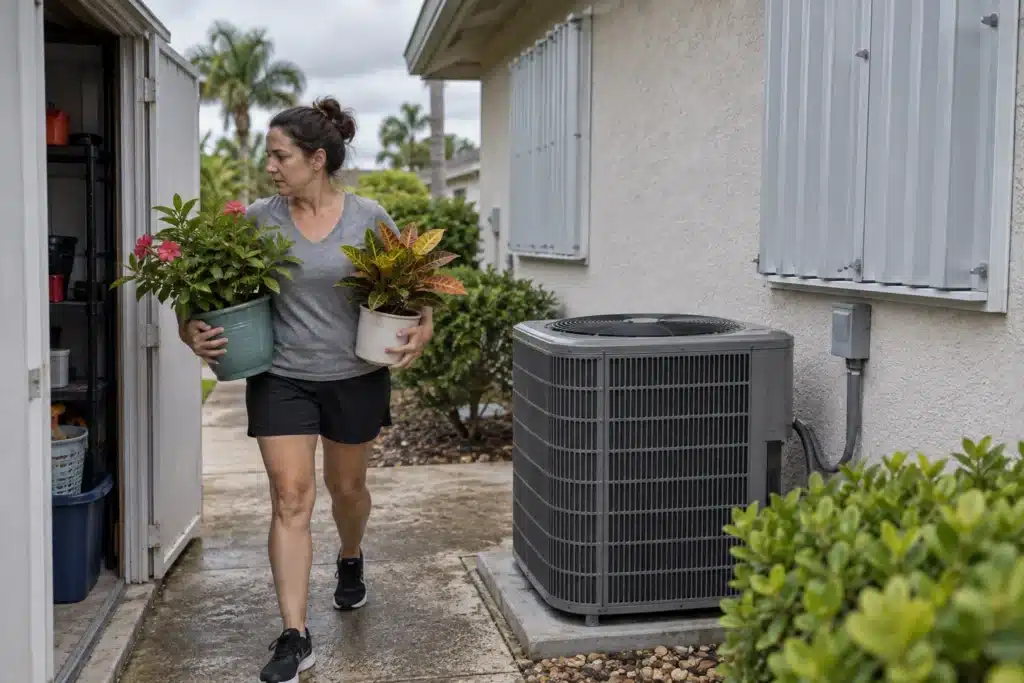
Look from a safe distance for branches, loose objects, or vegetation touching the outdoor cabinet. Do not reach inside the grille or tighten parts while the equipment is operating. Persistent vibration should not be left to continue.
Squealing Or Screeching
A brief high-pitched sound may occur on some systems as they start, but a new continuous squeal or screech may point toward a blower motor, outdoor fan motor, bearing, or another moving part. The exact cause depends on where the sound originates and when it occurs.
Turn the system off if the sound is sharp, metallic, or getting worse. Continuing to run a struggling motor or fan may lead to more damage.
Grinding Or Metal-On-Metal Sounds
Grinding is not a sound to monitor for several more days. It may indicate a problem with a motor, bearing, fan, blower assembly, or compressor. Shut the AC off to reduce the chance that a moving part will damage nearby components, then request service.
Banging, Clanking, Or Thumping
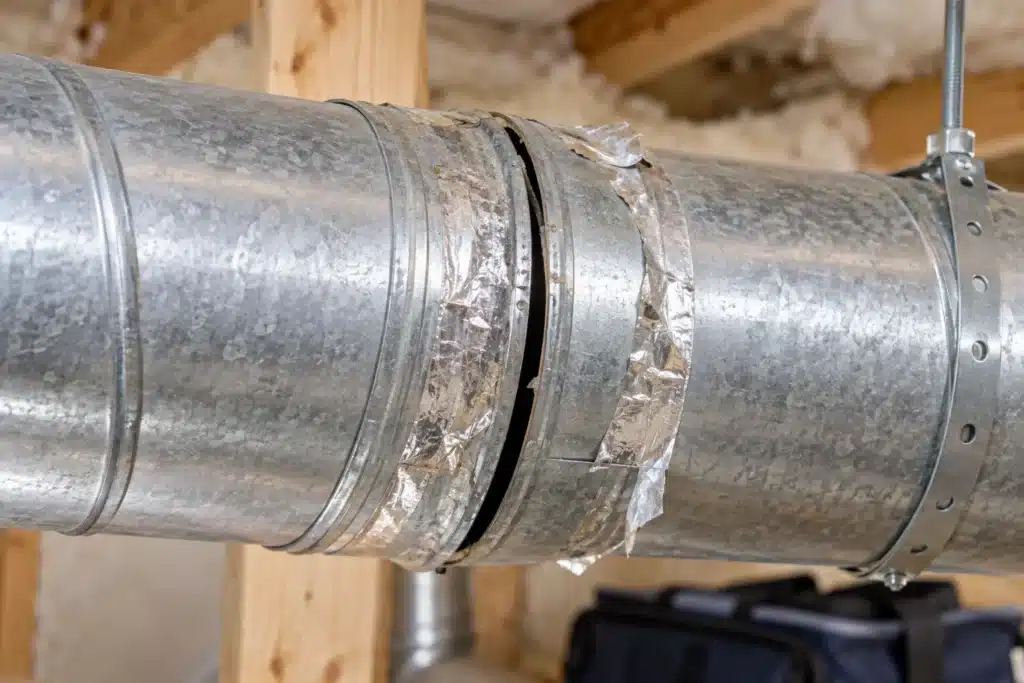
A repeated bang or clank may involve a loose or damaged moving part, an unbalanced blower assembly, fan contact, compressor trouble, or movement in the duct system. A single pop from ductwork may be related to sheet metal flexing as air pressure changes, but repeated loud popping may signal a duct sizing, support, or airflow concern.
Because banging can involve moving equipment, avoid running the system just to reproduce the sound. Note where it happened and call for an evaluation.
Repeated Clicking
One or two clicks when the AC starts or stops may be normal. Clicking that repeats without the system starting may involve the thermostat, control board, contactor, relay, safety switch, or another control issue. If the equipment starts and stops repeatedly, the behavior may also resemble AC short cycling.
Do not keep resetting a breaker or rapidly changing the thermostat to force a start. Record when the clicking occurs and have the controls checked.
Hissing
A brief, quiet change in refrigerant-flow sound may be normal for some equipment, especially around startup or shutdown. A new, persistent, or loud hiss near the indoor coil or refrigerant lines may indicate a refrigerant leak or another pressure-related problem. Hissing at a vent can have a different cause, such as air moving through a narrow opening.
If hissing is paired with poor cooling, ice, or an unusual chemical odor, turn the system off and request service. Refrigerant problems require trained handling and should not be treated as a routine refill.
Whistling At A Vent Or Return Grille
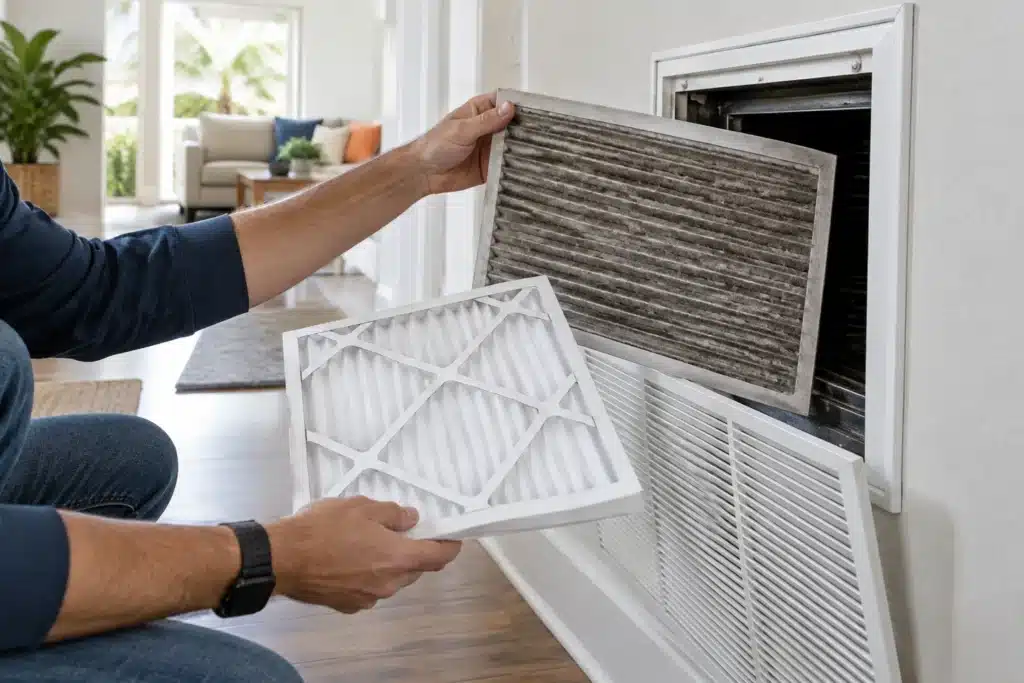
Whistling often points toward air moving through a restricted or undersized opening. A dirty or overly restrictive filter, blocked return, partly closed vent, loose grille, duct restriction, or airflow imbalance may be involved. Check the accessible filter and make sure furniture, rugs, and curtains are not blocking grilles.
If the whistle remains after those simple checks, the system's airflow and ductwork should be evaluated. Closing more vents can increase pressure and make the problem worse.
Gurgling Or Bubbling
Gurgling near the indoor unit may come from the condensate drain, drain trap, or a condensate pump. In humid South Florida weather, the AC removes substantial moisture from indoor air, so drainage matters. A partial clog, incorrect drain configuration, or pump issue may change the sound and may eventually lead to water backup.
Do not bypass a drain safety switch. If you see water near the air handler or the system stops repeatedly, turn it off and request service before water reaches electrical parts or surrounding materials.
Why South Florida Conditions Matter
Air conditioners in Loxahatchee and across Palm Beach County often operate for long periods through heat and humidity. Heavy use does not create one specific noise, but it can reveal worn, loose, dirty, or poorly supported components. Moisture removal also keeps the condensate system busy.
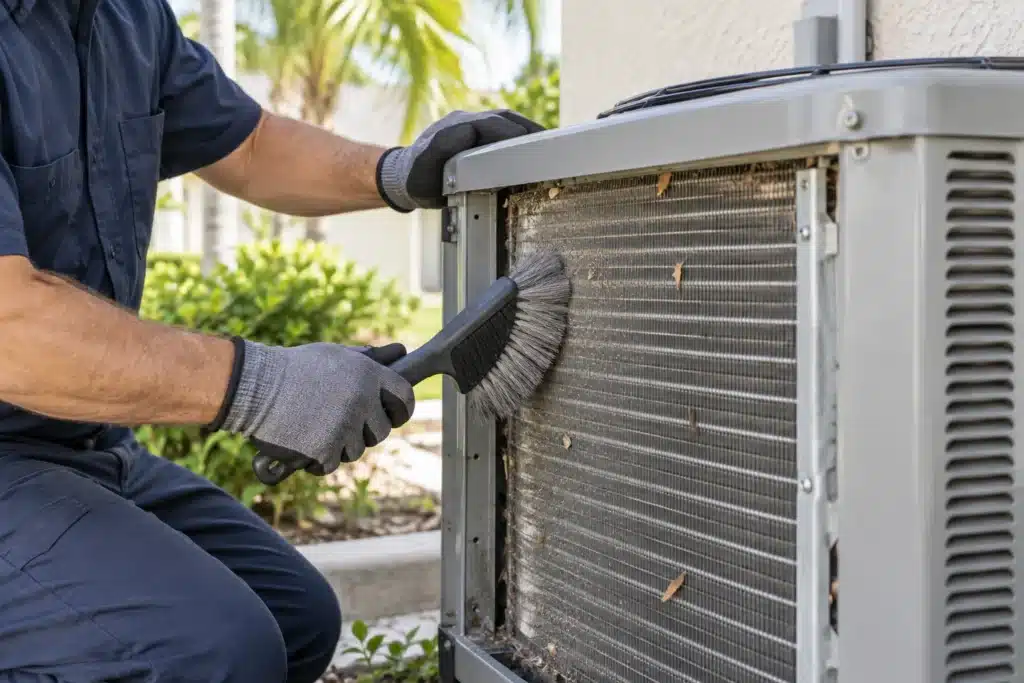
Outdoor units can collect leaves, lawn debris, and storm-blown material. After severe weather, inspect the area visually, but keep your distance from damaged wiring, standing water, and unstable debris.
A professional should look at the whole system, not just the loudest component. Drainage, airflow, ductwork, electrical operation, and cooling demand all affect operation. Tri-County HVAC serves homeowners throughout Palm Beach County and nearby communities.
What Homeowners Can Check Safely
You can gather useful information without opening equipment panels:
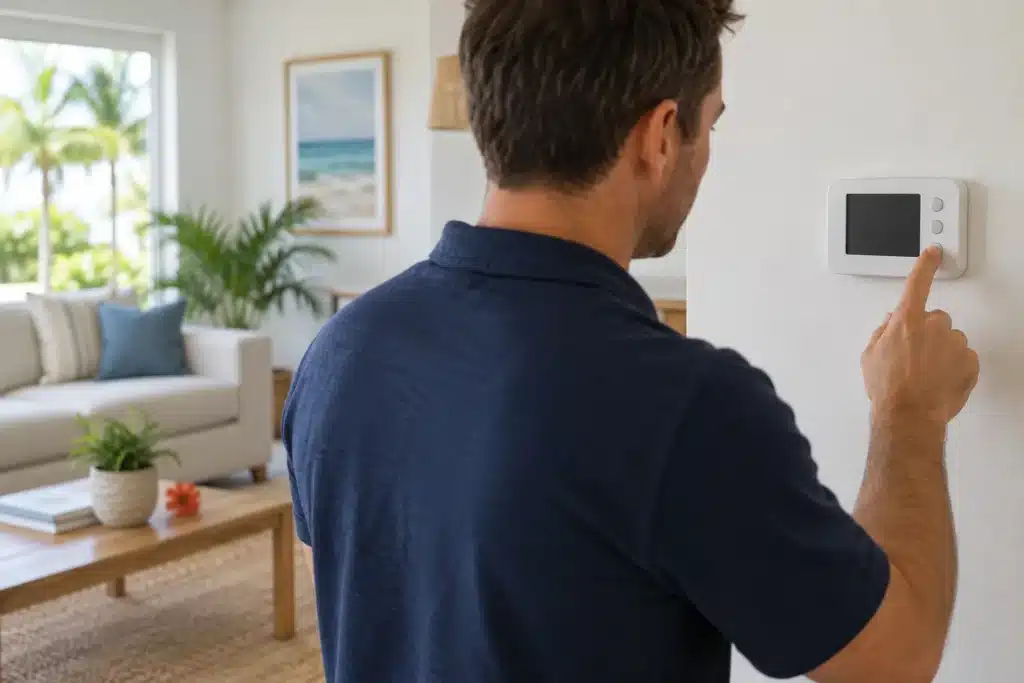
- Confirm the thermostat is in cooling mode and note whether it displays an alert.
- Check the air filter and replace it if dirty, using the correct size and type.
- Make sure accessible supply vents and return grilles are open and clear.
- Look around the outdoor unit for objects touching the cabinet.
- Observe whether the outdoor fan is turning without leaning over or reaching into the unit.
- Note weak airflow, warm air, longer cycles, excess humidity, water, or ice.
- Listen from a safe distance and write down when the sound occurs.
Do not open an electrical panel, touch refrigerant lines, reach near a fan, pour chemicals into equipment, or remove a safety control. If changing a dirty filter and clearing blocked grilles does not resolve a mild airflow sound, schedule an inspection. Routine AC maintenance is also a good time to discuss sounds that are subtle but recurring.
When To Turn The AC Off
Turn the system off at the thermostat and call for service when you notice any of the following:
- Grinding, metal contact, violent shaking, or repeated heavy banging
- Smoke, sparks, a burning or strong electrical odor, or visible heat damage
- A breaker that trips again after it has been reset once
- A loud hum while the outdoor fan or indoor blower does not appear to operate
- Hissing combined with ice, poor cooling, or a sudden performance change
- Water close to electrical equipment or a rapidly filling drain pan
- A loose, damaged, or storm-affected electrical connection
If there is smoke, fire, or another immediate hazard, leave the area and contact emergency services. Do not restart damaged equipment to see whether the sound returns.
What A Professional Inspection May Include
The technician will begin by asking when the noise started, where it seems loudest, and whether cooling changed. Depending on the symptom, an inspection may include checking:
- Thermostat calls, control operation, and the starting sequence
- Electrical connections, capacitors, contactors, relays, motors, and operating measurements
- The indoor blower wheel, outdoor fan, bearings, mounts, cabinet, and fasteners
- Filter condition, return airflow, supply airflow, and duct movement
- Refrigeration performance when hissing, ice, or poor cooling supports that check
- Condensate drainage, the drain trap, pump operation, and safety switches
- Debris, coil condition, equipment clearance, and signs of physical damage
The goal is to identify the source before replacing parts. A noise can travel, so the loudest location is not always the cause. Ask what was found, whether the system is safe to operate, and which next step is recommended.
Can Maintenance Help Prevent Unusual Sounds?
Maintenance cannot prevent every breakdown. It can give a technician an opportunity to find loose parts, drainage concerns, abnormal operating measurements, airflow restrictions, debris, and early wear before symptoms become more disruptive.
Homeowners can help by checking filters regularly, keeping grilles open, maintaining clear space around the outdoor unit, and reporting new sounds promptly. Do not use oil, tape, foam, or improvised fasteners on a noise you have not identified. A quick temporary fix can hide the symptom without correcting the cause.
Frequently Asked Questions
Why Is My AC Suddenly Louder Than Usual?
A sudden increase in volume may involve debris, vibration, a loose part, a fan or motor problem, an electrical component, a compressor concern, or restricted airflow. Compare the sound with the system's normal operation, note any cooling changes, and arrange service if it persists.
Is A Buzzing Outdoor AC Unit Dangerous?
A soft steady hum may be normal. A loud buzz, especially when the fan is not turning or the system will not start, may involve an electrical or mechanical problem. Turn the system off and have it inspected instead of opening the panel.
Can A Dirty Air Filter Make The AC Noisy?
Yes. A dirty or overly restrictive filter can change airflow and may contribute to whistling at a return grille or increased blower sound. Replace a dirty filter with the correct type, then request service if the noise or weak airflow continues.
Why Does My AC Click But Not Turn On?
Repeated clicking without a normal start may be related to a thermostat, control, safety switch, contactor, relay, electrical connection, or another system condition. Do not repeatedly reset the equipment. A technician can test the starting and control sequence safely.
Should I Keep Running The AC If It Is Rattling?
A very light occasional rattle may come from a grille or panel, but a new continuous rattle should be checked. Turn the system off if vibration is strong, the sound is metallic, cooling has changed, or the noise is getting worse.
New AC Noises are easier to address when you respond before the system stops cooling altogether. If your air conditioner is buzzing, rattling, squealing, grinding, clicking, or hissing, Tri-County HVAC can inspect the system and explain the next step in plain language. Call (561) 281-8074 or use the online contact page to request service in Loxahatchee, Palm Beach County, or a nearby South Florida community.